How Sleep Anxiety Affects Your Sleep

Jake Newby
| 4 min read
Jake Newby is a brand journalist for Blue Cross Blue...
Key Takeaways
- Concerns about not getting enough rest or feeling nervous about what might happen while you're asleep are possible drivers of sleep anxiety.
- Symptoms of sleep anxiety may include racing thoughts or excessive worry, restlessness and a difficulty concentrating the next day.
- Researchers have found sleep disturbances and anxiety to be “mutually causal."
- Sleep anxiety is treatable and small changes to improve your sleep hygiene can make a big difference.
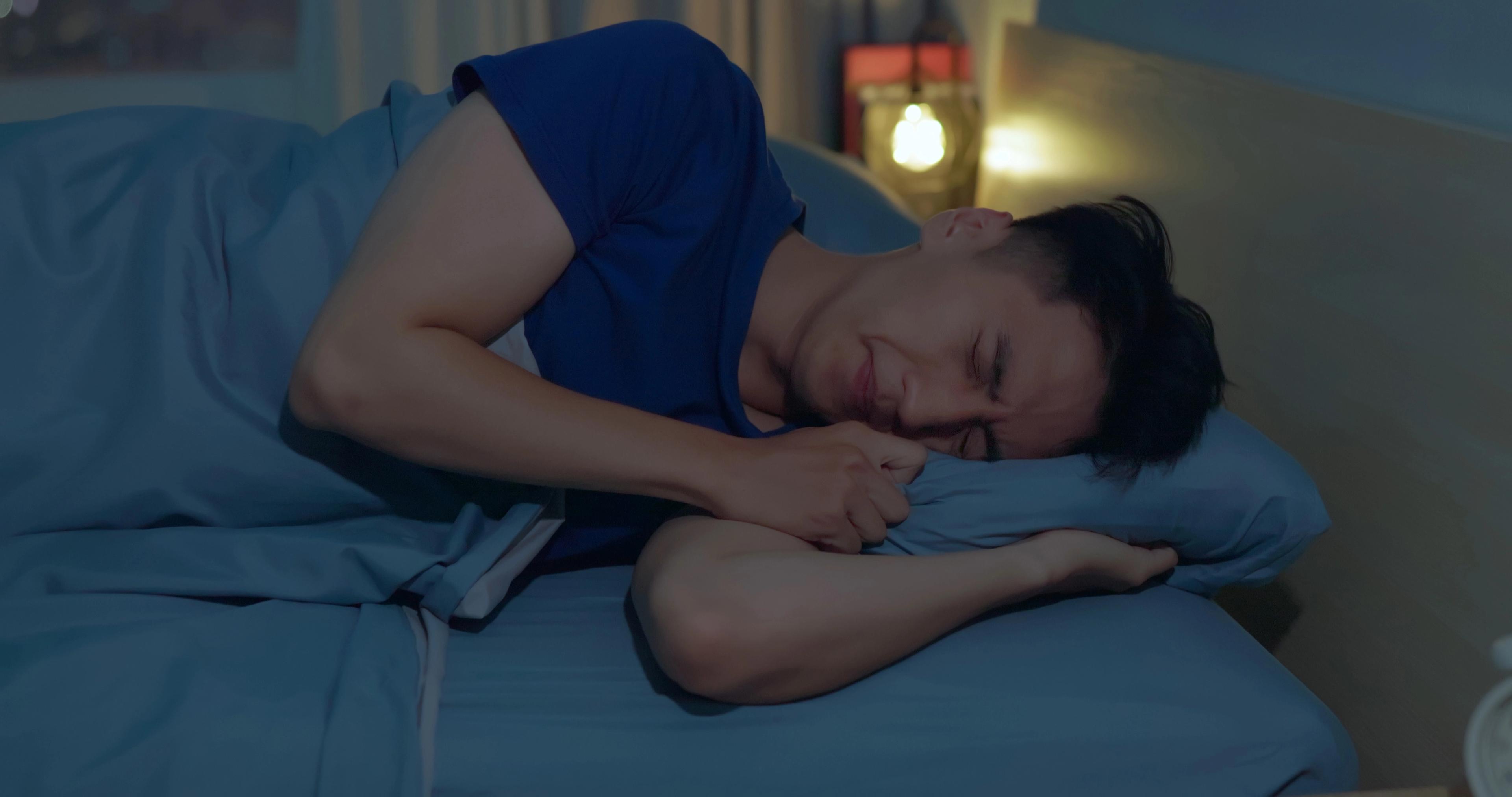
We all lie awake struggling to sleep some nights. A busy day ahead or an earlier wake time than usual can contribute to these struggles. But when some nights turn into most nights and the issue becomes intense and persistent, you may need to seek treatment for sleep anxiety.
Sleep anxiety is a cycle of worry about sleep that can make sleep harder to achieve. It can feel overwhelming, especially when exhaustion compounds night after night. Understanding how sleep anxiety works can help you break the cycle and get the rest you need.
What is sleep anxiety?
Sleep anxiety is a feeling of fear, stress or worry about falling asleep or staying asleep. For some people, the anxiety centers on concerns about not getting enough rest. Others may feel nervous about nighttime itself or about what might happen while they’re asleep.
Sleep anxiety often includes both mental and physical symptoms, according to the Cleveland Clinic, such as:
- Racing thoughts or excessive worry
- Restlessness or irritability
- Difficulty concentrating the next day
- Digestive issues
- Rapid heartbeat
- Tense muscles
These symptoms occur because anxiety causes the body to release hormones like cortisol and adrenaline that activate its fight-or-flight response. This can keep you alert instead of relaxed as your body tries to escape the harm it believes it is exposed to.
What to know about the anxiety-sleep cycle
Sleep anxiety rarely exists on its own. Research has found sleep disorders and anxiety disorders to share a bidirectional relationship. A 2024 study found sleep disturbances and anxiety to be “mutually causal,” with researchers deeming the effect of poor sleep on anxiety to be “significant.” And a 2025 study linked persistent insomnia to an increased risk of depression.
Here’s how the cycle may unfold: you struggle to fall asleep, then begin worrying about not sleeping. That worry increases anxiety and alertness and the anxiety makes it even harder to fall asleep. Over time, your brain may associate bedtime with stress instead of rest. This learned association can trigger symptoms of insomnia or worsen the condition if you are already diagnosed with it, even if the original cause of the anxiety fades.
Tips to calm sleep anxiety
Sleep anxiety is treatable, and small changes can make a big difference. You’ve probably read about a term called “sleep hygiene,” which involves a series of tweaks and changes to your bedtime routine designed to lead to better, deeper restorative sleep. Here’s how to focus on sleep hygiene, including tips dedicated specifically to addressing anxiety.
Create a wind-down routine: The same attention you devote to building and executing an exercise routine should be devoted to developing a wind-down routine. Give your brain time to shift from day mode to sleep mode by engaging in relaxing activities like reading, taking a warm shower, journaling or listening to calming music before bed.
Track sleep mindfully: Tracking sleep with wearable devices is a habit rooted in good health, but some people may obsess over it. Research has found the prevalence of sleep-tracking devices and wearables to lead to a type of insomnia called orthosomnia, which can make you feel anxious about wanting to record perfect sleep data. Is the sleep data you track helps you make positive changes to your behavior or lifestyle? Or are you fixating to the point it contributes to your sleep anxiety by letting “poor” sleep scores affect your mind and mood the next day? If you resonate more with the latter, you may want to take a break from wearing your device to bed to reset your relationship with it.
Stick to a consistent sleep schedule, even on weekends: Going to bed and waking up at the same time each day helps regulate your body’s internal clock, making it easier to fall asleep naturally.
Reduce stimulants and screen time: Caffeine can affect sleep if you’ve consumed it up to six hours before bedtime, and bright screens from phones or computers can delay sleep signals. Avoid screens for at least 30 to 60 minutes before bedtime. You should avoid eating large meals in the final few hours before bed to dodge heartburn.
Get out of bed if you can’t sleep: When you find yourself unable to sleep, don’t just lie in bed. Get up and do something that does not involve blue light or exercise, such as reading a book or doing small chores.
Practice relaxation techniques: Breathing exercises, meditation and mindfulness can calm your nervous system and slow racing thoughts. These techniques help shift the body into a relaxed state that supports sleep.
If sleep anxiety persists, professional treatment may be needed. Schedule a sit-down with your primary care provider to discuss your situation. They may refer you to a specialist. Cognitive Behavioral Therapy for Insomnia (CBT-I) is widely considered the first-line treatment for sleep anxiety and chronic insomnia, according to the Sleep Foundation. It helps people reframe anxious thoughts about sleep and build healthier sleep habits.
Related:
Photo credit: Getty Images