What to Know About Migraines in Children and Teens
Lindsay Knake
| 3 min read
Lindsay Knake is a brand journalist and project plan...
Key Takeaways
- About one‑third of teens and roughly 10% of children ages 5 to 15 get migraines, and after puberty girls are about twice as likely as boys to be affected.
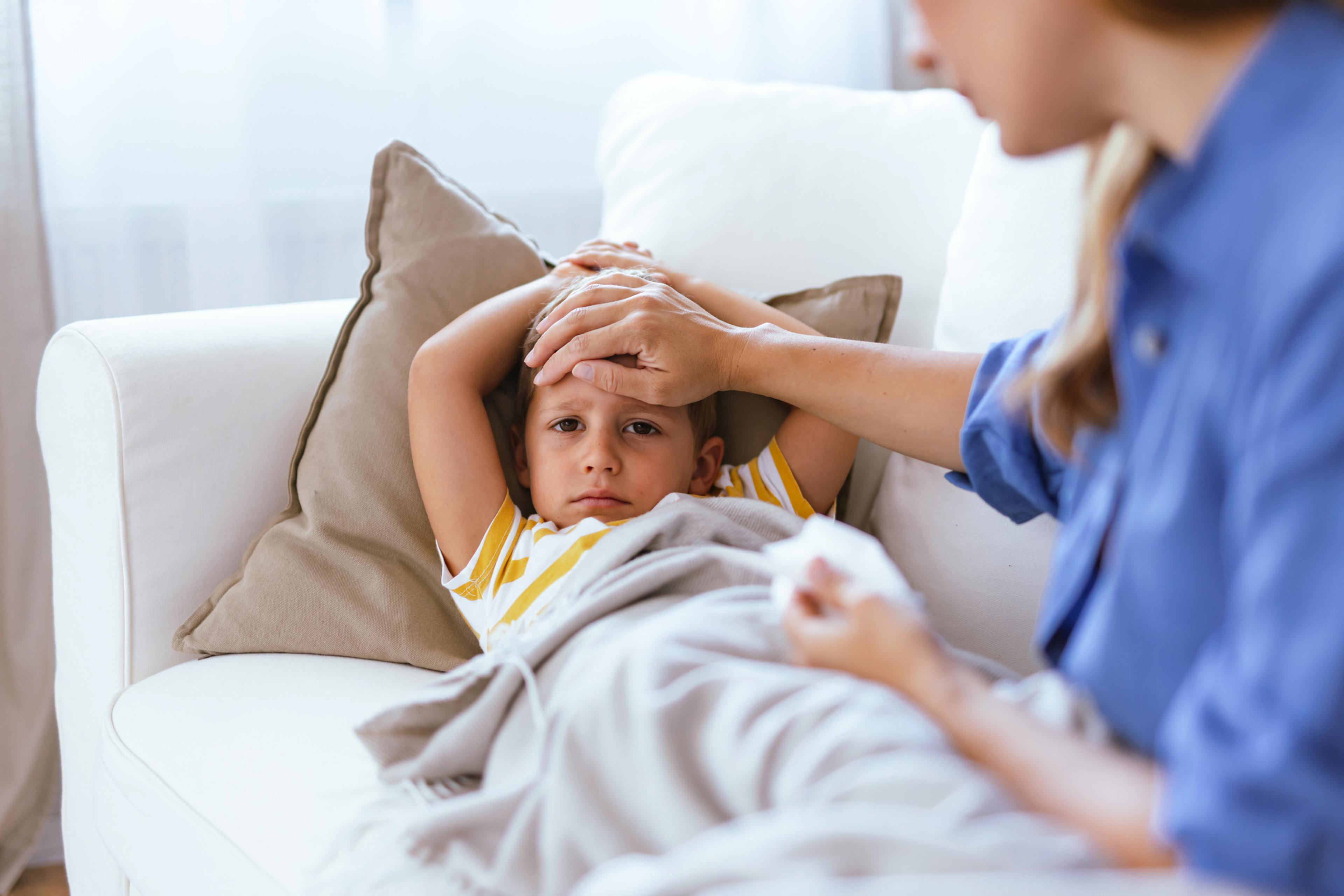
- Children’s migraine attacks often last shorter than adult attacks and may include throbbing head pain, nausea, light or sound sensitivity, abdominal pain or crying in younger kids.
- Treatment centers on tracking triggers, using age‑appropriate OTC pain relievers or prescribed triptans, and healthy habits—hydration, regular meals, sufficient sleep and stress management; seek urgent care if the headache follows a head injury, fever, persistent vomiting or wakes the child.
About half of people who get migraines will start getting these severe headaches before age 12, according to the American Academy of Pediatrics (AAP).
Migraines can be disabling at times, disrupting a child’s ability to go to school or participate in their favorite activities. Here is what to know about symptoms of migraines in kids, treatment and prevention.
Migraines in kids and teens
Migraines are a neurological disease that causes severe head pain, according to the Cleveland Clinic.
Nearly 30% of teenagers get migraines, and about 10% of children age 5 to 15 also get migraines, according to the AAP. Migraines are much more common in girls than boys after teens begin puberty. While about 23% of girls have dealt with a migraine by age 17, only about 8% of boys have.
The symptoms of migraines in kids can be slightly different from those in adults, including a shorter duration, according to the Mayo Clinic.
Symptoms of migraines in kids and teens include:
- Throbbing head pain that worsens with movement
- Abdominal pain, nausea and/or vomiting
- Loss of appetite
- Lightheadedness or dizziness
- Sensitivity to light and/or sounds
- Prodrome (warning phase) and an aura
- Crying and rocking in infants and young children
Migraines can lead to tiredness and exhaustion in the hours or day following the headache, sometimes called a “migraine hangover.”
Common causes of migraines in kids and teens include:
- Family history
- Hormonal changes during menstruation
- Not enough sleep
- Exertion from sports
- Dehydration
- Certain foods, such as monosodium glutamate (MSG), aspartame, chocolate, aged cheeses and ultra-processed meats
However, many migraines don’t have a specific trigger, per the Cleveland Clinic.
Treatments for migraines in kids
If children get regular migraines, parents can start by talking to their primary care provider (PCP) or pediatrician. Keep track of your child’s migraine frequency, possible triggers, symptoms and severity if migraines are regular.
Common treatments for migraines in kids are similar to those for adults, including taking over-the-counter pain relivers such as ibuprofen or acetaminophen in safe doses by age. A PCP may prescribe triptans for chronic migraines.
Along with medication, lying in a dark, quiet room with an ice pack or cold press on their forehead can help provide relief. Children and teens should also sip on water to stay hydrated and eat easy foods to digest such as toast or a banana.
Seek immediate medical care if your child has a severe headache or migraine that:
- Follows a head injury
- Includes neck pain or fever
- Worsens or increase in frequency
- Causes persistent vomiting
- Loss of balance
- Wakes them up
Living a healthy lifestyle is important to help prevent migraines. Kids and teens, especially those who get headaches or migraines, should focus on:
- Drinking a lot of water.
- Eating a nutritious diet with the recommended servings of fruits and vegetables, lean protein, whole grains and healthy fats.
- Avoiding junk foods and ultra-processed meats
- Not skipping meals.
- Getting enough sleep.
- Managing stress levels.
- Getting enough exercise, but talk to your kid’s PCP if migraines follow exertion
Image: Getty Images
Related: