How Much Protein Do Women Need After Menopause?
Lindsay Knake
| 3 min read
Lindsay Knake is a brand journalist and project plan...
Key Takeaways
- Postmenopausal women should aim for 1.0 to 1.2 grams of protein per kilogram of body weight each day (about 0.45 to 0.55 gram per pound), with the higher end recommended for active individuals or those trying to lose weight.
- Distribute protein evenly across meals, targeting 15 to 30 grams per meal; consuming 40 grams or more in one sitting does not provide additional benefit.
- Prioritize heart‑healthy protein sources such as legumes, nuts, whole grains, low‑fat dairy, fish and poultry, and limit red and ultra‑processed meats.
Women going through perimenopause and entering menopause may have heard about the need for protein.
Here is a look at how much protein women need after menopause and how to get it in your diet.
The process of menopause
Menopause is a normal hormonal change women experience in their 40s and 50s, and it marks the end of their reproductive years. Perimenopause starts for most women in their mid-40s, and menopause is when a woman has had one year without a menstrual period. The average onset age of menopause is 52.
In the process of menopause, the body makes less estrogen, and the imbalance of estrogen and progesterone can cause many symptoms, including:
- Hot flashes and/or night sweats
- Difficulty sleeping
- Mood swings or irritability
- Vaginal dryness that causes discomfort during sex
- Urinary urgency
- Dry skin, dry eyes or dry mouth
- Weight loss, gain and/or redistribution
- Brain fog
The decline in estrogen can also lead to changes metabolism, cardiovascular health, bone density, mood and more. This can increase the risk of heart disease, high cholesterol, osteoporosis, Type 2 diabetes and weight gain.
How much protein should you eat after menopause?
Increasing your protein intake may help counter muscle loss and metabolic changes associated with aging and menopause, according to the Mayo Clinic.
For postmenopausal women, protein recommendations are 1 to 1.2 grams of protein per kilogram of body weight per day. Aim for 1.2 grams if you are active or trying to lose weight.
To calculate this, divide your weight in pounds by 2.2 to convert the number into kilograms, then multiply the number by 1 or 1.2, depending on your protein goals. For example, a woman who weighs 170 pounds should aim for 77 to 92 grams of protein per day.
You can also use this USDA calculator to determine your personalized protein needs.
But check how much protein you’re currently consuming before adding more to your diet; most Americans already get enough protein in their diet. Eating too many calories, including from protein, can lead to weight gain.
How to get adequate protein in your diet
Try to spread the protein intake throughout the day; aim for 15 and 30 grams of protein for each meal. Eating 40 grams or more of protein per meal isn’t more beneficial than consuming the recommended amount, according to the Mayo Clinic.
Consider adding heart healthy plant-based protein into your diet as red meat and ultra-processed meat are connected with cardiovascular disease.
- Legumes such as peas, chickpeas, black beans, lentils and edamame
- Raw or low-sodium/unsalted nuts such as peanuts, almonds, pistachios and cashews
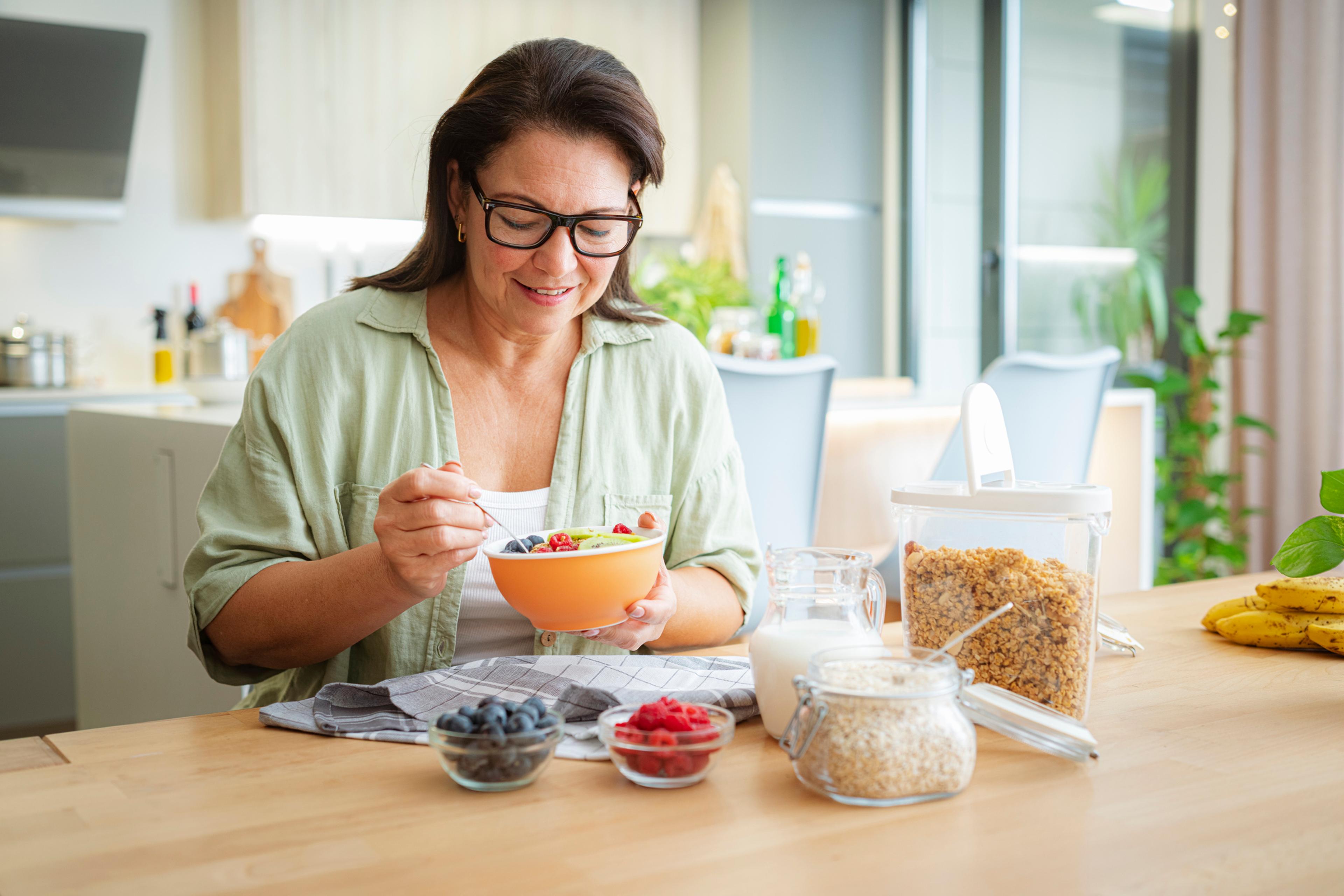
- Grains such as quinoa, buckwheat, millet and oatmeal
- Raw nut butters such as peanut butter, almond butter, cashew butter and soy nut butter
- Cruciferous vegetables such as broccoli and brussels sprouts
Lean sources of animal protein include fish, chicken, eggs, low-sugar or no-sugar added yogurt and cottage cheese.
Here are some ideas to add protein to your meals and snacks:
- Add eggs to your breakfast: Hard-boiled, scrambled or in an omelet with veggies.
- Snack on Greek yogurt or cottage cheese, especially with fruit or vegetables.
- Try a protein smoothie: Blend your favorite fruits with milk or a scoop of protein powder.
- Add beans, lentils or tofu to a power bowl with brown rice and vegetables.
Make sure you are eating plenty of fruits, vegetables, greens and whole grains. Most Americans don’t eat enough fruits and vegetables and don’t get enough fiber, which is also essential for cardiovascular health, lowering the risk of Type 2 diabetes and preventing other chronic conditions.
Image: Getty Images
Related: