What is a Vestibular Migraine?

Lindsay Knake
| 3 min read
Lindsay Knake is a brand journalist and project plan...

Key Takeaways
- Vestibular migraine is a neurological disorder that produces vertigo, balance problems and motion sensitivity, and it may occur with or without the classic throbbing headache.
- Common triggers include stress, fatigue, hormonal shifts, weather changes and foods or drinks such as caffeine, alcohol, aged cheese, chocolate and processed meats.
- Treatment combines over‑the‑counter pain relievers or motion‑sickness drugs, prescription options such as antidepressants or beta‑blockers, and lifestyle measures—regular sleep, balanced meals, hydration, exercise and stress‑management techniques.
If you feel vertigo in short bursts or for days on end, it could actually be a migraine.
One of the most common causes of vertigo is a vestibular migraine, according to the Cleveland Clinic. Here is what to know about this type of headache, common triggers and how to treat it.
What is a vestibular migraine?
Migraines are a common neurological condition that cause throbbing head pain. Much less common is a vestibular migraine, a neurological disease that causes vertigo, which leads to dizziness and balance issues, according to the Cleveland Clinic. Vestibular migraines may be a type of migraine or a different but related health condition.
While dizziness is a common symptom of a migraine, vestibular migraines can show up a little differently. There may or may not be throbbing head pain with a vestibular migraine, according to Johns Hopkins Medicine.
Symptoms of vestibular migraines include:
- Vertigo
- Balance problems and/or dizziness
- Motion sensitivity
- Throbbing pain, although typically separate from bouts of vertigo
- Nausea and vomiting
- Sensitivity to noise, light and smells
- Migraine aura
The vertigo can last for minutes or days, and it can be severe enough to affect daily life.
Those who have vestibular migraines typically have dealt with motion sickness since childhood and migraines at some point in their lives. Like other migraine headaches, vestibular migraines tend to run in families, and women get them more often than men.
Other common causes or triggers of vestibular migraines include:
- Stress
- Fatigue
- Hormonal changes from menstruation or menopause
- Weather changes
- Certain foods or drinks, including caffeine, alcohol, aged cheese, chocolate and processed meats
Treatments for vestibular migraines
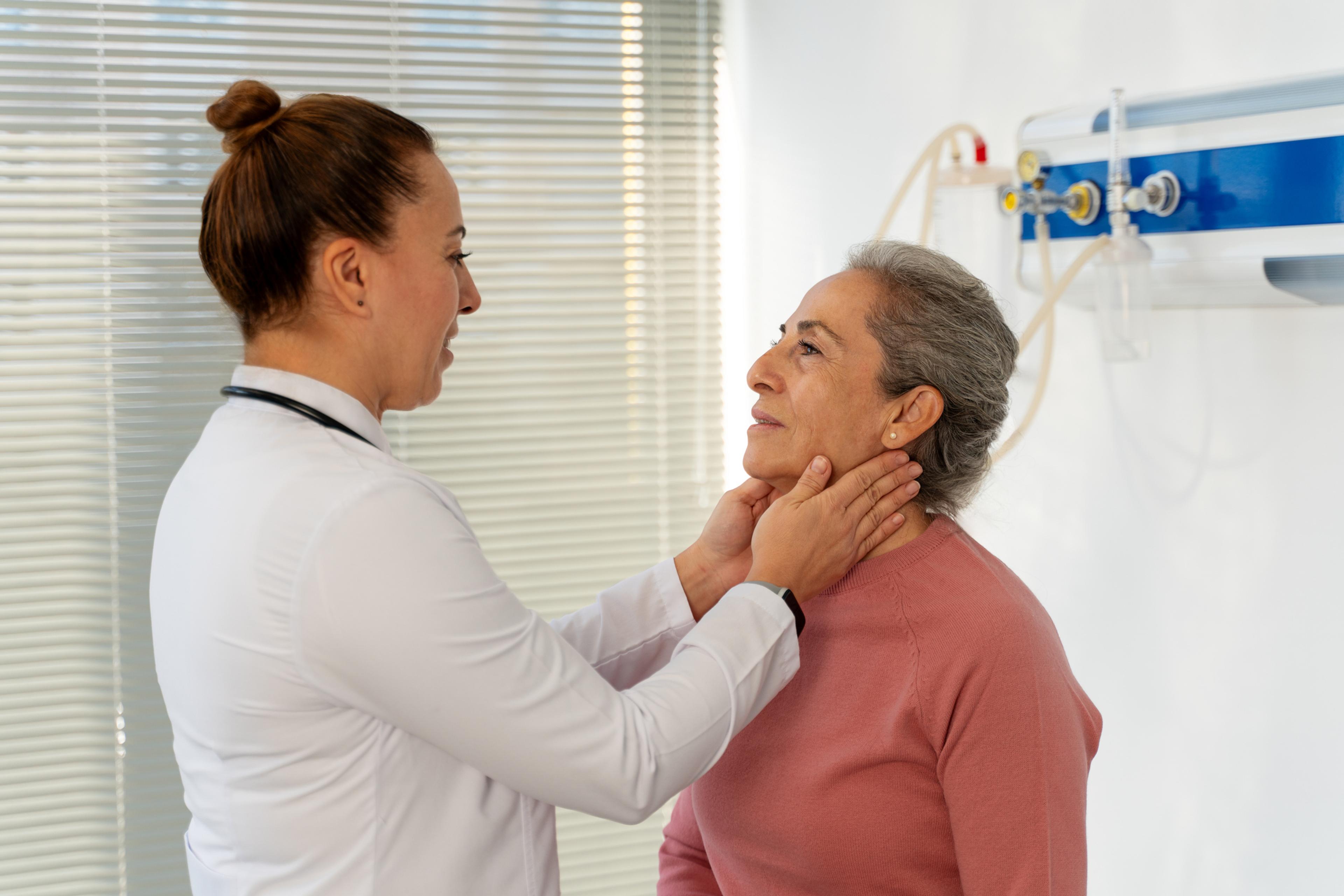
If you have new or unusual symptoms, sudden vertigo attacks, including ones accompanied by nausea, or regular vertigo attacks that last for minutes or days, talk to your primary care provider (PCP) for evaluation. Keep notes about the frequency, severity and length of your symptoms to discuss with your PCP, who may order tests to determine the possible causes of your vertigo or refer you to a neurologist.
Over-the-counter medications such as ibuprofen or acetaminophen may help you with the pain, and motion sickness drugs can help with dizziness or nausea.
Common medications your PCP may prescribe to prevent vestibular migraines include antidepressants, calcium channel blockers, antiseizure medications and beta-blockers, per Johns Hopkins Medicine.
When you have a migraine, here are some other ways to get relief:
- Dim the lights and lie down in a quiet room.
- Apply a cold compress to your head for 15 minutes at a time.
- Apply a heating pad to your neck and shoulders to relieve muscle tension.
- Drink sips of water and have a small snack such as toast and a banana.
Healthy lifestyle habits are also a key part of preventing and managing migraines:
- Get enough rest and seven to eight hours of sleep.
- Eat a nutritious diet with plenty of fruits and vegetables, lean meats and whole grains.
- Eat meals and snacks on a regular schedule, and don’t skip them.
- Avoid foods and drinks that trigger your migraines.
- Stay hydrated.
- Get regular exercise.
- Manage your stress with mindfulness, therapy or other techniques.
Image: Getty Images
Related: