Removing Barriers to Focus on Healing: Haven Homes Detroit Provides Health Care Access to At-Risk Populations

Jake Newby
| 4 min read
Jake Newby is a brand journalist for Blue Cross Blue...
Key Takeaways
- Without the right resources, accessing health care can be out of reach for vulnerable populations like survivors of human trafficking.
- Haven Homes' holistic approach to providing care involves sitting down with survivors of human trafficking to set goals to determine how they want to rebuild their lives as they receive housing and work toward transitioning to independent living.
- With help from the BCBSM Foundation, Haven Homes was able to log more than 3,000 programmable hours, deliver more than 700 riders to mental and behavioral health appointments and provide 1,800 nights of safe housing.
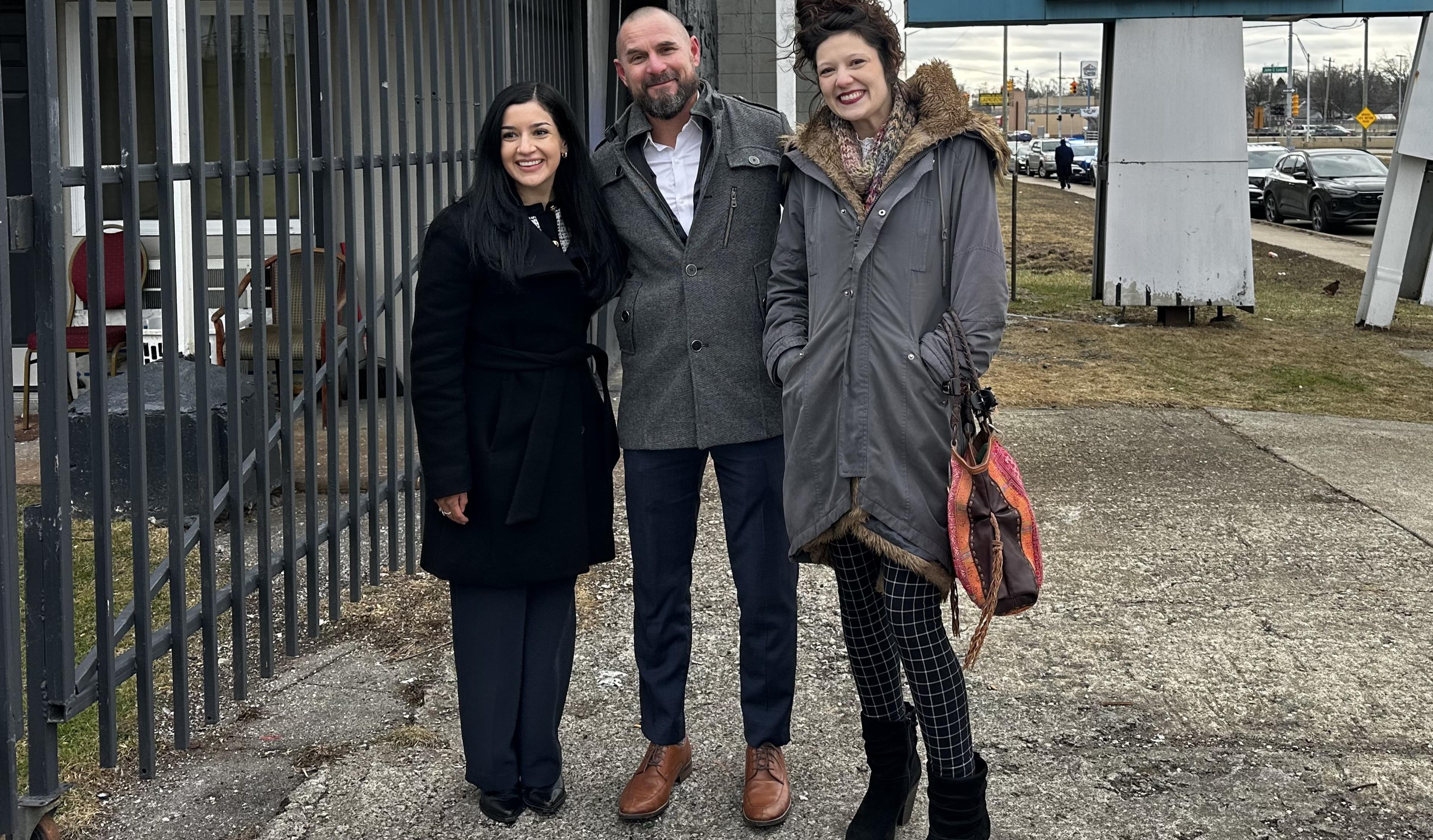
No work is more fulfilling for Haven Homes of Detroit (HHD) co-founder and executive director Aaron Short than to help survivors of human trafficking reclaim their lives.
"It is extremely rewarding to be able to walk alongside these women who come to us with a broken spirit and wide array of needs and see them grow throughout their time with us in the program," said Short, who co-founded HHD with his wife, Kristen, in 2021. "Witnessing their journey of healing from exploitation and trauma, seeing them gain confidence as they achieve independence. You see their lives start to be shaped – maybe for the first time in a long time – on their own terms."
As much as half of a person’s long-term health status is determined by social and environmental factors, such as income, education and employment. Without the right resources, accessing health care can be out of reach for vulnerable populations like survivors of human trafficking, many of whom face barriers that may cause them to fall through gaps of the health care system.

With these factors in mind, the Blue Cross Blue Shield of Michigan (BCBSM) Foundation awarded a two-year, $20,000 Community Health Matching Grant to HHD in 2025 to improve the health and wellness of human trafficking survivors in Detroit. Grant funds helped the organization strengthen its capacity to provide rent-free housing and trauma-informed support for survivors.
The grant also allowed HHD to expand programs and gain service provider partners in Detroit.
“We know we can’t be everything to everybody.” Short said. “So, developing those relationships with providers that can provide mental health services and sobriety services better than we could internally is extremely important.”
HHD’s holistic approach to providing care to survivors of human trafficking involves sitting down with them to set short, medium and long-term goals to determine how they want to rebuild their lives as they receive housing from HHD and work toward graduating and transitioning to independent living.
“We provide life skills training, expressive arts, nutritional education, workforce developments,” Short went on. “As well as trauma-support groups within the home, financial literacy and digital literacy.”
How Haven Homes of Detroit removes barriers to care through its programming
Short said it is important for HHD to track its metrics for efficacy purposes, so they know which areas of the program we are successful in and which areas of care it may need to rethink. Through the first portion of the BCBSM Foundation grant in 2025, HHD was able to provide to its residents:
- More than 3,000 programmable hours, meaning some type of group, individual one-on-one, or case management with residents exceeded 3,000 hours in 2025
- 743 rides were delivered to mental health and behavioral/medical appointments
- 1,800 nights of safe housing
- 1,500 meals
- 1,600 hours of sobriety support
- 400 hours of trauma support programming
- Consistently served 10 people in program throughout the year and graduated two residents from its program, one in June and one in August
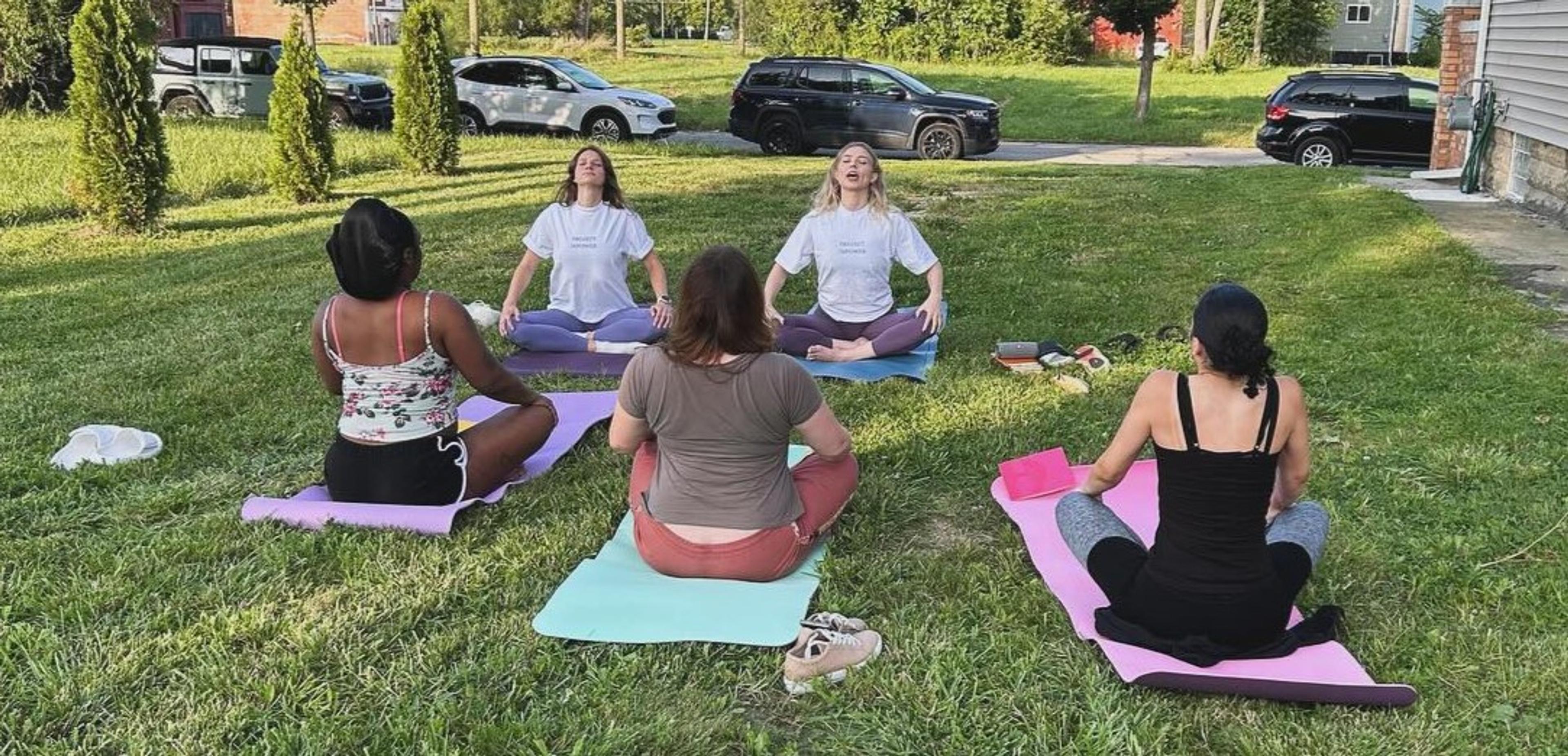
“The grant allowed us to continue a lot of those programs. Our goal is to remove barriers to critical services.,” Short said. “Women live in our program rent-free for up to two years. Being able to remove those barriers allows them to focus on the healing that needs to take place.”
“It’s not easy for individuals who have experienced trauma on so many levels to reach out for help through standard physical and behavioral health pipelines, let alone possess the resources to be treated if they even wanted to seek help,” said BCBSM Foundation Senior Program Officer, Dr. Melissa Boguslawski. “That’s why we are happy to support an organization like Haven Homes of Detroit, which provides health care access at no cost to such a vulnerable population.”
Learn more about Haven Homes and its programming and mission by visiting its website at this link. And find out more about the BCBSM Foundation’s Community Health Matching grant program by clicking here.
Photo credit: Haven Homes
Related:
- ‘A Gift of Love and Care:’ Rx Kids’ Cash Transfer Program Offers Critical Financial Support to Michigan Families in the Eastern UP
- Hospice of Michigan Supports Families of Terminally Ill Children with Personalized Bereavement Care and Legacy-Building Services
- ‘Every Day We See Children Making Progress:’ Lakeshore Children’s Advocacy Center Expands Critical Trauma Counseling Services