FDA Approval of Fruit-Flavored Vapes Raises New Questions About Youth Health Risks

Jake Newby
| 5 min read
Jake Newby is a brand journalist for Blue Cross Blue...
Key Takeaways
- Health experts are worried that the FDA's approval of certain fruit-flavored vapes could make flavored nicotine products more appealing to teenagers.
- Research shows that fruit and candy-flavored vapes consistently rank among the most popular products used by middle and high school students.
- Young people who become addicted to nicotine may be more likely to continue using tobacco products and developing other drug addictions as they age.
- Understanding the key dangers of vaping and why kids are motivated to vape can equip you with the knowledge needed to have tough conversations with your kids.
In May, the U.S. Food and Drug Administration (FDA) authorized the sale of four fruit-flavored vaping products for the first time, marking a significant shift in federal regulation of electronic cigarettes. While the agency defended the decision by saying it was intended to help adult smokers transition away from traditional cigarettes, many public health organizations warn that the move could make flavored nicotine products more appealing to teens and young adults.
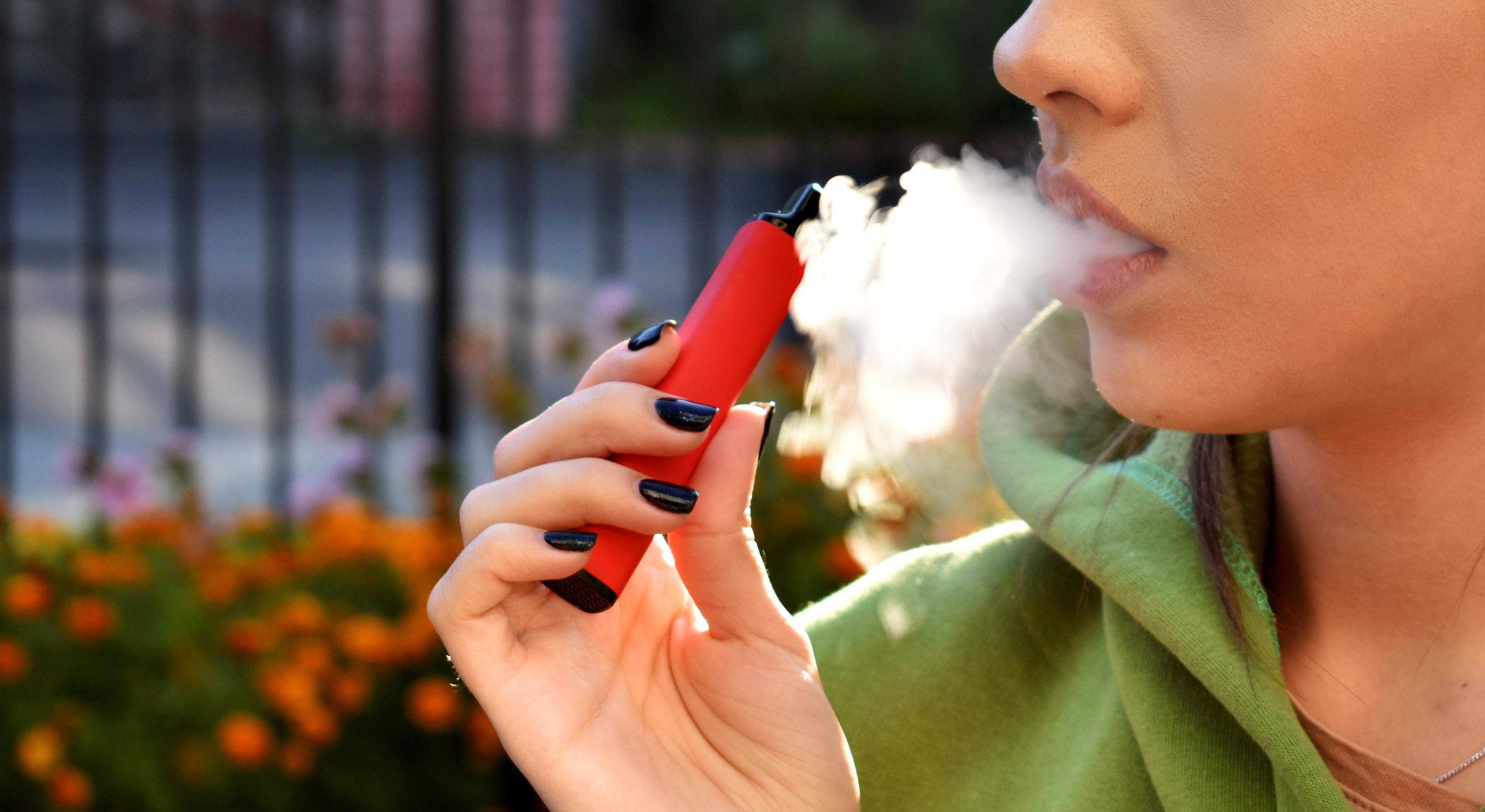
The newly approved four vape pods include blueberry, mango and two types of menthol. Vape pods are small plastic cartridges that hold e-liquid and a heating coil for e-cigarettes. Some e-cigarettes look like USB flash drives, pens, smartphones, highlighters, toys, and other types of products. The authorization does not mean the products are safe, nor does it mean they are FDA-approved in the same way medications are.
The decision has sparked strong criticism from pediatricians and anti-tobacco advocates like the American Lung Association (ALA) due to concerns that these products will appeal to adolescents. The ALA argues that fruit flavors have long been a major driver of youth vaping, and flavored products can attract young people who otherwise might never use nicotine.
What health risks are linked to vaping?
Research continues to identify health concerns associated with e-cigarette use. E-cigarettes typically contain nicotine, ultrafine particles, heavy metals and other chemicals that users inhale into their lungs.
Health experts, such as those at Johns Hopkins Medicine, generally agree that vaping exposes users to fewer toxic chemicals than smoking traditional cigarettes because e-cigarettes do not burn tobacco. But just because vaping might be less harmful than smoking cigarettes, it does not make it safe.
The U.S. Centers for Disease Control and Prevention (CDC) says e-cigarette aerosols can contain the following harmful substances:
- Cancer-causing chemicals
- Heavy metals such as nickel, tin and lead
- Tiny particles that can be inhaled deep into the lungs
- Volatile organic compounds
- Flavorings such as diacetyl, a chemical linked to serious lung disease
Why are flavored vapes especially concerning?
Fruit, candy and dessert flavors consistently rank among the most popular vaping products used by middle and high school students, according to the ALA. Flavored tobacco products may make it easier for young people to initiate nicotine use because sweet flavors can mask the harshness of nicotine.
Using nicotine during adolescence can harm the parts of the brain that control attention, learning, mood and impulse control, as adolescent brains continue developing until they are in their mid-20s. Young people who become addicted to nicotine may be more likely to continue using tobacco products and even developing addiction to other drugs as they get older. Nicotine addiction can affect relationships with family and friends, as well as performance at school or work.
Health experts stress that preventing youth nicotine addiction remains a critical priority, as is reversing recent trends. More than 2 million middle and high school students using e-cigarettes in 2025, the most common form of tobacco use among youth in the U.S., according to a 2025 National Youth Tobacco Survey.
For adults who already smoke, completely switching to FDA-authorized vaping products may reduce exposure to some harmful chemicals. But for teens, young adults and anyone who does not use tobacco, the healthiest choice remains avoiding both cigarettes and e-cigarettes altogether.
What parents can do to help their kids stop vaping
Parents should have a discussion with their children about the effects of vaping. The ALA offers a “Vaping Conversation Guide” aimed to help parents protect their children from the dangers of vaping. Parents can prep for a conversation, according to the guide, by:
Knowing the facts, getting comfortable with the key dangers of vaping and understanding why kids may be motivated to do it can equip you with the knowledge needed to have these conversations.
- Putting yourself in your child’s shoes and considering their viewpoint.
- Taking an open and calm approach while avoiding judgment or frustration.
- Finding the right time and place. This includes picking a calm, distraction-free moment.
- Taking time to practice.
While talking with your children, parents should:
- Acknowledge their independence.
- Ask for their perspective.
- Be ready to hear that they may have vaped. If they have, thank them for being honest and explain that your motivation is protecting and caring for them.
- Blame the tobacco industry, not your kid. Advertising from major tobacco companies has long targeted adolescents.
- Avoid scare tactics that could reduce your chance of connecting with them.
- Connect with what they care about by explaining how vaping can prevent them from achieving their future career and family goals.
Young people commonly say they vape to numb feelings of anxiousness, stress or depression. But research routinely finds nicotine addiction or withdrawal to contribute to these feelings and exacerbate them. Craving nicotine, being unable to stop using it and developing a tolerance are all signs of nicotine addiction.
The CDC offers many free resources to help youth reject or quit vaping and smoking tobacco or hookah. Blue Cross Blue Shield of Michigan and Blue Care Network members also have access to tobacco cessation coaching, a program that can help you stop smoking and vaping. Click here to learn more about this resource. If you have additional questions or concerns, please reach out to your child's primary care provider.
FAQs: Vaping and youth health
Question: Does FDA authorization mean these flavored vape products are safe?
Answer: No. FDA authorization means the agency determined the products may be appropriate for marketing under specific public health standards. It does not mean the products are safe or approved like medications.
Answer: No. FDA authorization means the agency determined the products may be appropriate for marketing under specific public health standards. It does not mean the products are safe or approved like medications.
Q: Why are fruit-flavored vapes controversial?
A: Public health organizations worry that flavors like blueberry and mango can make nicotine products more appealing to teens and young adults, increasing the risk of nicotine addiction.
A: Public health organizations worry that flavors like blueberry and mango can make nicotine products more appealing to teens and young adults, increasing the risk of nicotine addiction.
Q: Can vaping affect a teenager's brain development?
A: Yes. Nicotine can interfere with brain development in adolescents, impacting attention, learning, mood and impulse control. The brain continues developing into a person's mid-20s.
A: Yes. Nicotine can interfere with brain development in adolescents, impacting attention, learning, mood and impulse control. The brain continues developing into a person's mid-20s.
Q: What are signs that a young person may be addicted to nicotine?
A: Common warning signs include strong cravings, difficulty stopping use, irritability when not vaping, using nicotine more frequently over time and needing higher amounts to achieve the same effect.
A: Common warning signs include strong cravings, difficulty stopping use, irritability when not vaping, using nicotine more frequently over time and needing higher amounts to achieve the same effect.
Photo credit: Getty Images