How Walking After Meals Can Help Lower Blood Sugar Naturally

Jake Newby
| 3 min read
Jake Newby is a brand journalist for Blue Cross Blue...
Key Takeaways
- A 10- to 15-minute walk after meals may help reduce blood sugar spikes by helping muscles use glucose for energy.
- Research suggests exercising soon after eating is more effective for managing post-meal blood sugar than waiting several hours.
- Post-meal walking offers benefits beyond blood sugar control, including improved heart health, fitness and reduced sedentary time.
- Even short walks can be a practical, low-impact habit that supports healthier blood sugar levels and overall well-being.
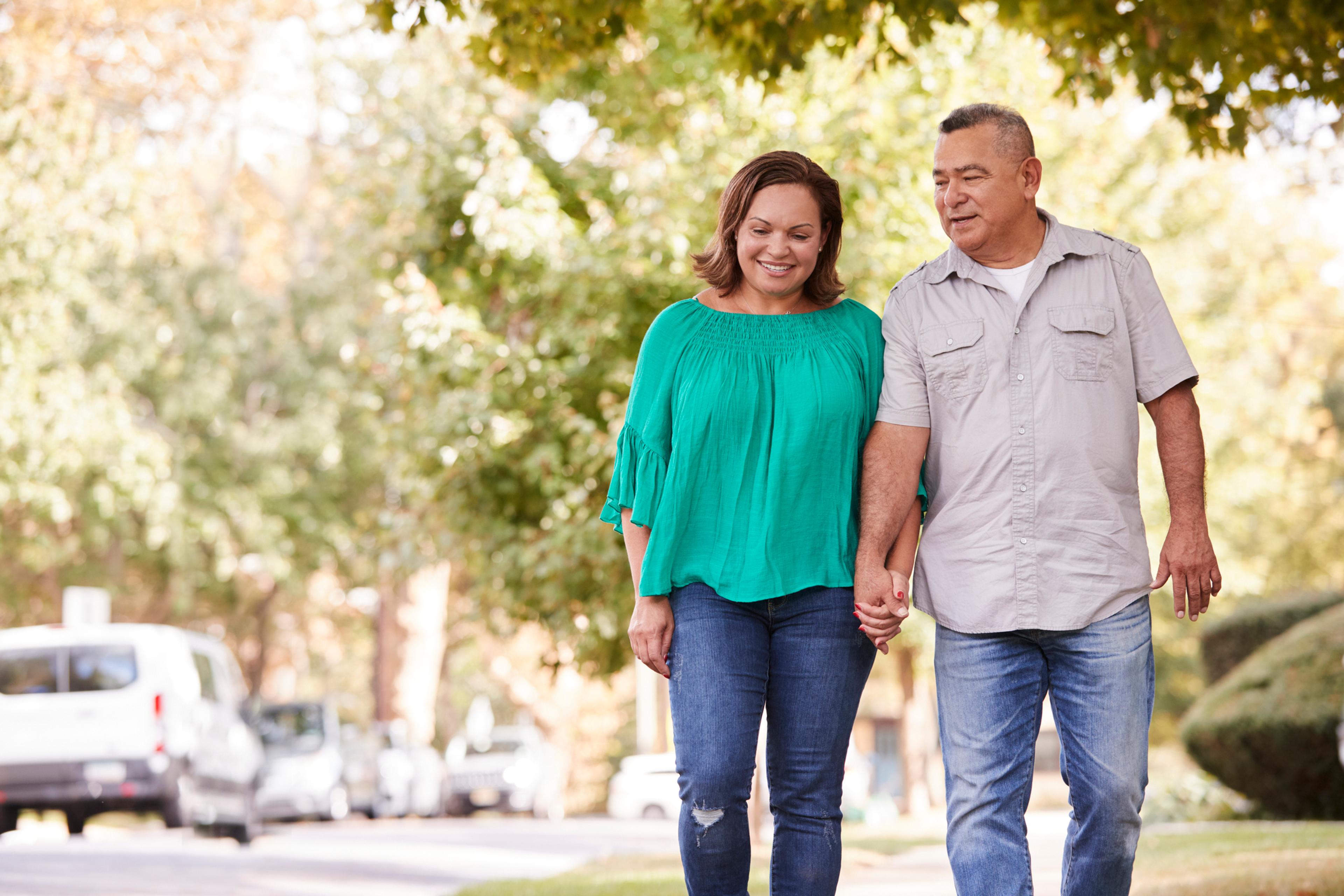
Though you may be inclined to park yourself on the couch after eating, a short walk after a meal may be a simple way to help lower blood sugar naturally.
Research shows that walking after eating can reduce the rise in blood glucose that normally occurs after a meal, and even brief bouts of activity may provide benefits. Let’s take a closer look at why walking soon after eating appears to be more effective for managing post-meal blood sugar than waiting several hours to exercise.
How walking after meals affects blood sugar
Blood sugar naturally rises after eating as carbohydrates are digested and glucose enters the bloodstream. Physical activity can help the muscles use some of that glucose for energy, potentially reducing how high blood sugar rises.
A 2022 study found that 30 minutes of brisk walking after a meal substantially reduced peak blood glucose levels in healthy adults. The benefit was seen across meals with different amounts of carbohydrates and different macronutrient combinations.
More recent research suggests that a much shorter walk may also help. A 2025 study found that a 10-minute walk immediately after consuming glucose lowered average blood glucose and the overall glucose response during the following two hours compared with remaining inactive. The researchers concluded that a 10-minute post-meal walk may be a practical way to help control blood sugar.
When should you walk after eating?
For people looking to reduce a post-meal blood sugar spike, walking soon after eating may be more beneficial than waiting. A 2023 study found that exercise after a meal had a greater short-term effect on post-meal blood glucose than exercise before eating. The benefit was also stronger when exercise began closer to the meal.
These findings do not mean a long or intense workout is necessary. Even a short walk after eating can help prevent blood glucose from rising as high as it otherwise might, per the Cleveland Clinic. For a practical starting point, try a 10- to 15-minute walk after a meal. A brisk pace to add more intensity may be beneficial, but if a 10-minute walk is easier to maintain than a longer workout, consider taking short walks after breakfast, lunch or dinner. This can be a low-impact, realistic way to add more movement throughout the day.
Other health benefits of walking
Walking after meals is also beneficial beyond blood sugar management. Regular physical activity is associated with better cardiovascular health, improved fitness and other health benefits. An American Diabetes Association study on physical activity and diabetes emphasizes that exercise can improve blood glucose control, reduce cardiovascular risk factors and support overall well-being in people with diabetes.
Walking can also be an accessible way to break up sedentary time. Rather than viewing exercise as something that has to happen in one long workout, short bouts of movement throughout the day can add up.
More broadly, walking can also help ease joint pain, supporting immune function and potentially reducing cravings for sugary foods.
Make a post-meal walk part of the routine
A post-meal walk is not a replacement for diabetes medication or other treatment recommended by your primary care provider (PCP), but it can be a simple addition to a healthy routine.
For people with diabetes, blood sugar responses to exercise can vary based on medications, meal composition, activity level and other factors. Anyone who takes medication that can cause low blood sugar should talk with their PCP about exercising safely.
For everyone else, the takeaway is simple: After finishing a meal, consider getting up and walking instead of sitting. Even 10 minutes of movement may help reduce the post-meal blood sugar rise while adding more physical activity to the day.
Read on:
Photo credit: Getty Images