
Dr. William Beecroft, M.D.
Dr. William Beecroft, MD, DLFAPA, is the Medical Director Blue Cross and Blue Shield of Michigan Behavioral Health and Behavioral Health strategy and planning. Dr. Beecroft received his M.D. from Michigan State University. He is board certified in general psychiatry with added qualifications in geriatrics and Consultation-Liaison Psychiatry. He will serve as the Michigan Psychiatric Society President in 2025.
Articles

Worried About Someone? Starting a Conversation That Could Save a Life
- Starting a compassionate, direct conversation can help someone experiencing suicidal thoughts feel supported and connected to alternatives to suicide.
- Warning signs of suicidal thinking include hopelessness, withdrawal, extreme mood changes, reckless behavior, substance use and talking about death or suicide.
- Passive suicidal ideation involves thoughts of death without a plan or intent, while active suicidal ideation involves suicidal planning and requires immediate attention.
- If someone has a suicide plan or appears in immediate danger, stay with them, reduce access to lethal means and call or text 988.

The Difference Between Suicide and Suicidal Ideation
- Suicidal ideation generally involves intrusive, fleeting thoughts of suicide and self-harm and a preoccupation with death.
- Recognizing the difference between passive suicidal ideation and active suicidal ideation can help identify immediate short-term risks.
- Risk factors for suicidal ideation can include biological factors, stressful life events, a person's demographics and substance use disorder.
- Destigmatizing conversations around suicide can allow individuals to seek help, rethink their opinions and share their story with others.
How Grief Can Show Up in the Body: The Hidden Signs to Know
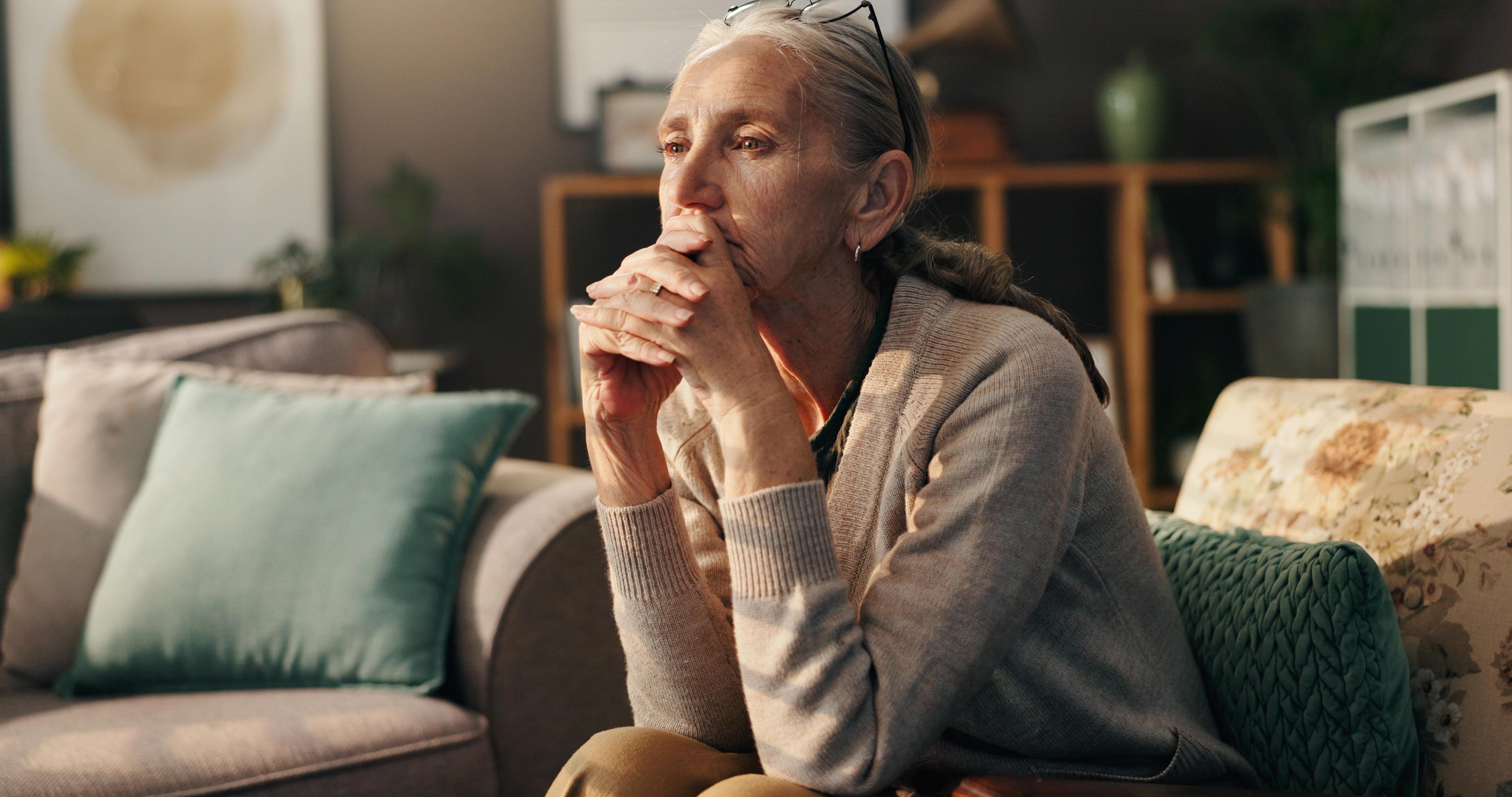
- Grief can trigger physical symptoms such as chronic pain, chest discomfort, loss of appetite and sleep disturbances as the body’s stress response releases cortisol and adrenaline.
- If grief‑related symptoms interfere with daily functioning, lead to substance use or suicidal thoughts, or persist for more than a few weeks, seek help from a primary care provider or mental health professional.
- Maintaining a healthy routine—supportive relationships, a balanced diet, regular exercise, adequate sleep and routine medical check‑ups—can lessen the impact of grief on the body.

Brain Age and How Midlife Habits Can Shape Your Brain’s Future
- Brain “age” reflects how well the brain functions compared with a person’s chronological age; it’s an estimate based on imaging, EEG, cognitive tests and machine‑learning models, not a formal diagnosis.
- Neuroplasticity means the brain can keep learning and adapting, so adopting healthy habits—regular exercise, quality sleep, stress management, mental challenges, social connection and a nutritious diet—can slow cognitive decline and lower the brain‑age gap.
- While genetics influence brain aging, lifestyle choices account for a large share of risk; starting these habits early can help protect memory, attention and processing speed into later years.

Understanding the Differences Between Burnout and Stress
- Stress is a short‑term, natural response that spikes adrenaline and cortisol; chronic stress that isn’t resolved can evolve into burnout, a prolonged state of exhaustion that impairs daily functioning.
- Burnout shares many physical and emotional symptoms with stress—fatigue, concentration problems, irritability, and muscle tension—but adds emotional numbness, loss of interest in activities, and can overlap with depression, warranting a professional mental health screening.
- Recovery hinges on acknowledging the condition, taking regular breaks, setting clear boundaries, and seeking support from friends, family or a therapist, alongside healthy habits like adequate sleep, balanced nutrition, exercise and stress‑reduction techniques.

Gen Z vs. Millennial Mental Health
- Gen Z adults report higher rates of mental health concerns like depression and anxiety than previous generations, according to research.
- Factors contributing to these struggles include economic instability, climate change concerns, isolation habits prompted by the COVID-19 pandemic and social media's influence.
- Despite these challenges, reduced stigma and increased access to online resources and telehealth should empower Gen Z individuals to seek support.

The Benefits of Therapy for Men
- Nearly 10% of men experience depression or anxiety, but less than half seek treatment, according to research.
- Traditional masculine stereotypes emphasizing stoicism and strength can prevent men from acknowledging and expressing their feelings, leading to underdiagnosis of depression.
- Asking for help may be difficult for men, but avoiding treatment can make a potentially undiagnosed condition worse.

Supporting a Loved One with Relationship OCD
- Obsessive‑compulsive disorder fuels persistent doubts and intrusive thoughts, and one subtype includes thoughts about relationships.
- Relationship OCD can lead to reassurance-seeking behaviors and put strain on relationships.
- Partners can support a loved one by learning about OCD, setting healthy boundaries, avoiding excessive reassurance and seeking their own professional help when the strain becomes overwhelming.