Signs and Symptoms of Cataracts

Lindsay Knake
| 3 min read
Lindsay Knake is a brand journalist and project plan...
Key Takeaways
- Cataracts cause a cloudy lens that leads to blurry, faded or double vision, especially at night, and are most often linked to aging, smoking, diabetes and UV exposure.
- Early signs may be subtle; a comprehensive eye exam with pupil dilation is needed to diagnose cataracts, and mild cases can be managed with glasses, while severe cases require surgical removal of the clouded lens and insertion of an intraocular lens.
- Prevention focuses on lifestyle choices—quit smoking, control diabetes, wear UV‑blocking sunglasses and eat a diet rich in leafy greens, fruits, vegetables, whole grains and nuts—and yearly eye exams beginning at age 65.
Developing blurry, foggy vision can make your daily life difficult. This vision problem can interfere with your ability to drive, especially at night, or read.
The most common cause of blurry vision is cataracts, and it’s something about half of Americans will eventually deal with, according to the National Eye Institute (NEI). Here is a look at the signs and symptoms of cataracts and ways to treat and prevent this condition.
What are cataracts?
Your eyes have a natural lens, which bends light to help us see. When healthy, this lens is clear. A cataract makes this lens cloudy, turning your vision foggy, blurry or less colorful, according to the American Academy of Ophthalmology (AAO).
Symptoms of cataracts include:
- Blurry vision
- Colors appear faded or yellowed
- Double or distorted vision
- Light sensitivity, especially at night
- Difficulty seeing in the dark
- Halos appear around lights
Cataracts can come on gradually, and you may not notice the symptoms until they become serious.
The most common cause of cataracts is aging, per the AAO. Proteins in the lens start to break down around age 40, which leads to the cloudy lens. People age 60 and older typically experience some clouding but may not have vision problems for years.
Other causes of cataracts can include:
- Smoking
- Heavy drinking
- Diabetes
- Previous eye injury or surgery
- Long-term use of steroid medications
- Radiation on the upper body
- Spending time in the sun without protective sunglasses
- Family history of cataracts
In rare cases, children can be born with or develop cataracts, according to the NEI. This is typically genetic, but can also form because of illnesses, injuries, steroids or radiation.
How to treat and prevent cataracts
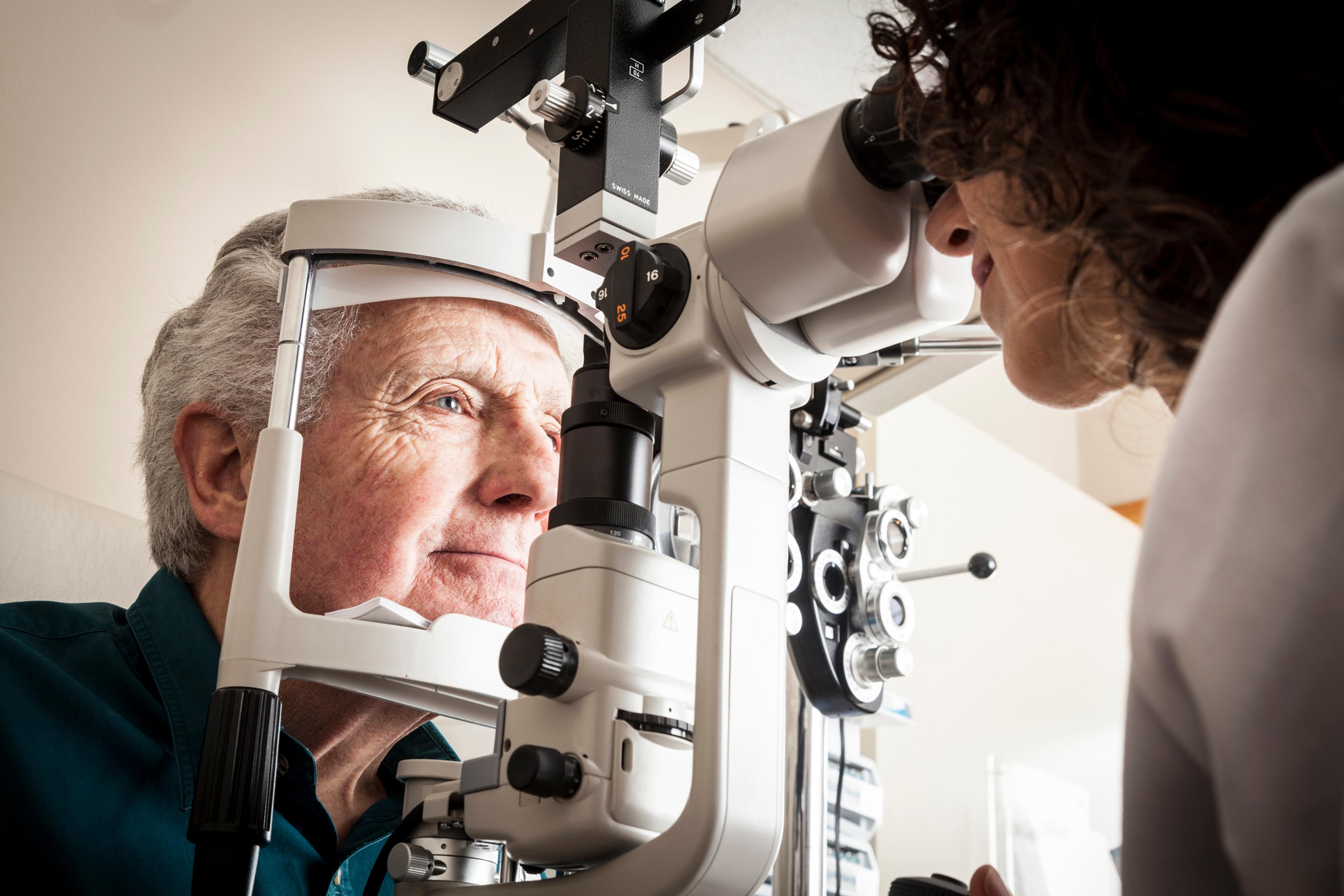
If you notice any symptoms of cataracts or are concerned about getting cataracts, talk to your eye doctor. They will perform a comprehensive examination, which includes pupil dilation, to determine whether your symptoms are cataracts.
For mild cataracts that don’t interfere much with your day-to-day life, there are eyeglasses or contacts that can help with cataract symptoms. You could also use brighter lights or a magnifying glass to read. For severe cataracts that reduce vision and your ability to read or drive, the only treatment is surgery. Cataract surgery involves removing the cloudy lens and replacing it with an artificial lens called an intraocular lens, according to the AAO.
Your doctor can help you evaluate the risks and benefits of surgery. Cataract surgery is safe and effective for most people, according to the NEI. More than half of Americans age 80 or older have cataracts or have had cataract surgery.
About two in five people develop secondary cataracts after surgery because of scar tissue, which is quick and painless, per the NEI.
Children with cataracts will need immediate treatment to prevent other eye problems such as lazy eye.
While cataracts are common for aging adults and not entirely preventable, you may slow the development by quitting or avoiding smoking, managing diabetes if you have it and wearing sunglasses that protect against ultraviolet radiation. Eating a healthy diet of leafy greens, fruits and vegetables, whole grains and nuts also support your eye health, per the NEI.
Keep up to date on your eye care; the AAO recommends getting an eye exam annually starting at age 65, and every two years for younger people.
Photo credit: Getty Images
Read on: