Sprain vs. Strain: What’s the Difference
Ryan Halberg
| 3 min read
Ryan Halberg is a 2026 Corporate Communications inte...
Key Takeaways
- A sprain involves stretched or torn ligaments that connect and stabilize bones at a joint, while a strain affects muscles or tendons that connect muscle to bone. Both injuries often cause pain, swelling, bruising and limited movement.
- For mild sprains and strains, follow the RICE method: rest the injured area, apply ice for the first 24-48 hours, use compression to reduce swelling and elevate the injury. Severe or significant pain should be evaluated by a medical professional.
- Reduce injury risk by maintaining a balanced fitness routine, warming up before activity, stretching after workouts, taking rest days and exercising consistently rather than overdoing activity on weekends.
From sports injuries to everyday mishaps, sprains and strains are among the most common soft-tissue injuries, yet they’re often mistaken for one another.
Learn more about the difference between sprains and strains, common symptoms, treatments and prevention strategies.
The difference between a sprain and a strain
Sprains and strains are very similar and often have the same symptoms. The difference is in the areas they affect, per Yale Medicine.
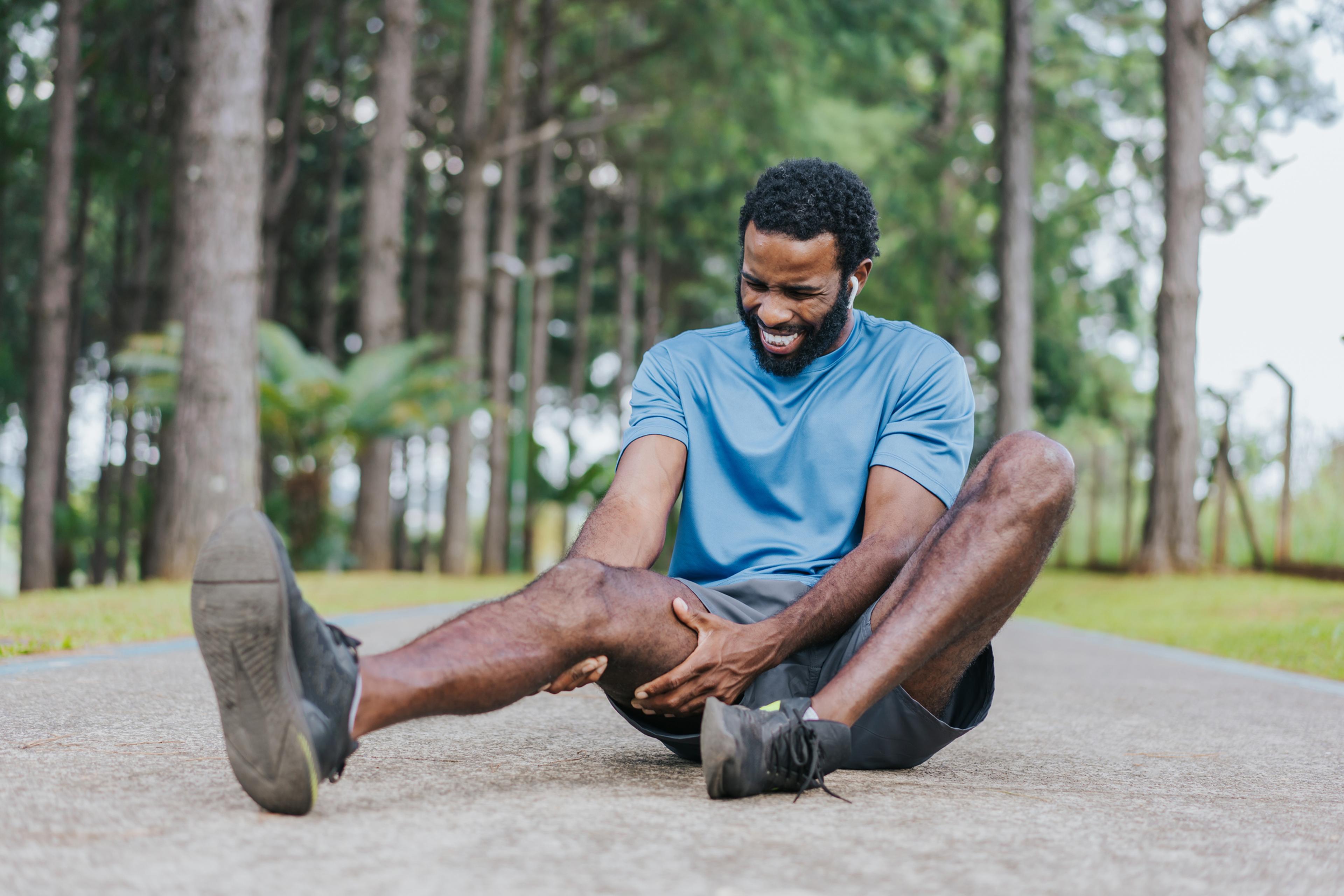
A sprain is a stretching, or tearing in more serious cases, of ligaments that connect bones and stabilize joints. Sprains commonly occur in the knee, elbow or ankle.
A strain is overstretching or a tear, in muscles or tendons, which connect bones to muscles. Strains commonly occur in the hamstrings, back or calves.
The most common symptom of sprains and strains is pain or discomfort around the muscle, tendon or joint. Other common symptoms include swelling and bruising, weakness in the injured area and a limited range of motion, per Yale Medicine.
Treatment of sprains and strains
Significant pain calls for immediate medical attention, but if the pain is mild, medical professionals recommend the RICE method:
- Rest: Take a step away from strenuous physical activity and prioritize light activity if it’s not too painful. For strains, doctors recommend gentle exercises that work on the muscle’s range of motion.
- Ice: Doctors recommend icing a sprain or strain for only the first 24 to 48 hours after injury for pain management.
- Compression: Use a brace, bandage or tape to reduce swelling.
- Elevation: Raising the injured area above the head can help reduce swelling, per the Mayo Clinic.
Recovery time for a sprain or strain depends on the severity of the injury and can range from a few days to a few months, per Yale Medicine. Sprains and strains can be especially prone to reinjury, so it’s important to let them fully heal.
How you can prevent sprains and strains
Many soft-tissue injuries, which include sprains and strains, occur during physical exercise. The American Academy of Orthopedic Surgeons recommends the following tips for limiting your risk of strains or sprains during exercise:
- Choose a balanced workout plan: Flexibility routines are designed to increase the range of motion in your joints, and strength training can stabilize the weaker parts of your body. Incorporating both into your weekly workout routine can reduce your risk of strain, sprain or other soft-tissue injury.
- Warm up before exercise: Warming up before exercise increases your heart rate and loosens up muscles and joints.
- Stretch: Stretching after a workout can keep muscles ready to respond for the next time they’re used, per Harvard Health. Gently hold each stretch for 30 to 60 seconds, never stretching to the point of pain.
- Rest: Schedule days off from high-intensity exercise. Fatigue and pain are good reasons to rest.
- Be consistent: Rather than only working out on weekends, try getting 30 minutes of moderate exercise each day. Moderate-intensity exercise means getting your heart rate up to 50% to 60% higher than your resting heart rate, per the Cleveland Clinic. Examples of moderate-intensity exercise include a brisk walk, biking at a steady pace or doing water aerobics. Washing your car, raking leaves, dancing or gardening can also function as moderate-intensity exercises.
Photo credit: Getty Images