How to Avoid Bad Medication and Food Combinations

Blue Daily
| 4 min read
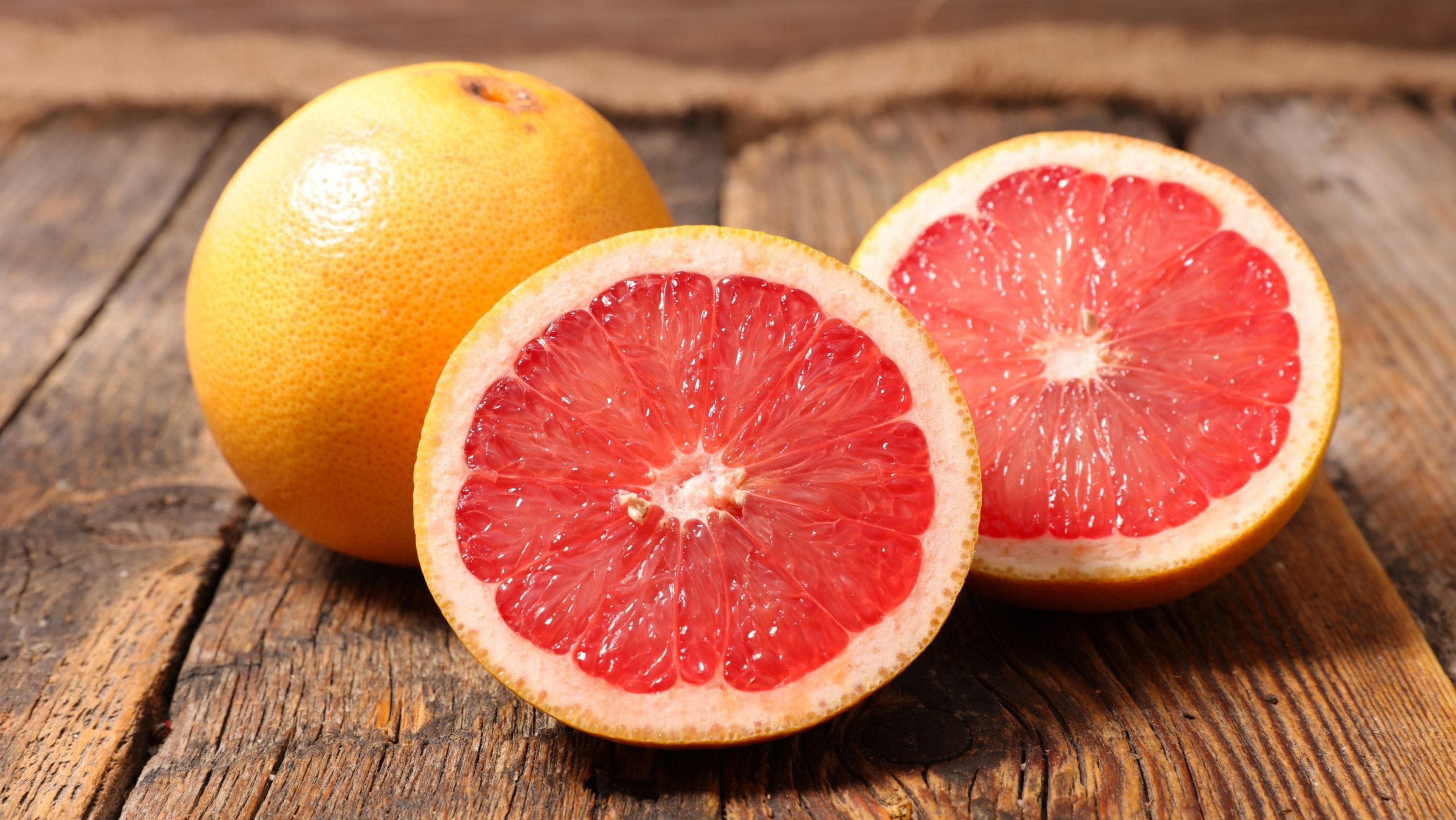
When taking medications, it’s important to check the labels for any potentially toxic interactions that can be caused by food.
Several medication and food combinations could make the medication ineffective or even impact your body in severe, negative ways.
Here are some of the drug and food interactions you should be aware of:
Grapefruit juice
Grapefruit can increase or decrease the absorption of certain drugs. It causes the body to metabolize drugs abnormally, resulting in lower or higher than normal blood levels of the drug, according to the U.S. Food and Drug Administration.
While it depends on the individual and the drug, grapefruit juice can interfere with these medications:
- cholesterol drugs called statins
- blood pressure drugs
- some anti-anxiety drugs
- some corticosteroids for Crohn’s disease and ulcerative colitis
- some drugs for abnormal heart rhythms
- cough suppressant dextromethorphan
- antihistamines
Orange juice and other citrus juices do not contain these compounds. There is some concern for Seville oranges and the pomelo, which are relatives of the grapefruit.
Talk to your primary care provider (PCP) if you take any of these medications and what foods to limit or avoid.
Bananas, green leafy vegetables, oranges, salt substitutes
These foods are all high in potassium, which helps provide electrical signals to heart-muscle cells and other cells. Consuming them with certain medications could increase the amount of potassium in your body and may lead to an irregular heartbeat or heart palpitations, according to University Hospitals.
If you take an ACE inhibitor such as captopril (Capoten), enalapril (Vasotec), and lisinopril (Prinivil, Zestril), take care with high-potassium foods in your diet. ACE inhibitors are used to lower blood pressure or treat heart failure.
High potassium foods may also interfere with some diuretics, such as triamterene (Dyrenium), which are used to reduce fluid retention and treat high blood pressure.
Talk to your PCP about foods to eat and avoid if you take an ACE inhibitor or diuretic.
Broccoli, Brussels sprouts, cabbage, kale, spinach
Foods that contain a lot of vitamin K, such as these greens, can reduce the drugs’ ability to thin the blood. In some people with heart disease, that could trigger a heart attack or a stroke, according to University Hospitals.
If you take a blood thinner such as warfarin (Coumadin), limit or avoid these foods. Once you begin taking a blood thinner, maintain a consistent diet and don’t suddenly overload on leafy greens. Talk to your PCP about foods and other medications that interfere with blood thinners.
Kale and spinach can also interfere with medications for hypothyroidism, but only if eaten in very high amounts, according to the Mayo Clinic.
Real black licorice (or supplements with licorice extract)
Real black licorice (and products with licorice extract, as opposed to licorice-flavored candy) contain glycyrrhizin, which can lower your body's potassium levels and affect heart rhythms, according to the American Heart Association. Glycyrrhizin may affect heart health, especially for those on drugs such as digoxin (Lanoxin), which used to treat heart failure and abnormal heart rhythms.
Black licorice can also slow the breakdown of immunosuppressants such as prednisone.
Talk to your PCP about these medications and black licorice and other foods to avoid.
Cheese, yogurt, milk, calcium supplements, antacids with calcium
The calcium in these foods and products can interfere with the body’s ability to absorb certain antibiotics, particularly tetracycline, ciprofloxacin, levofloxacin and norfloxacin, according to Consumer Med Safety.
Follow instructions from your pharmacist to avoid foods that impair antibiotics.
Alcohol, aged cheese, fermented foods
These foods, along with tap beer, red wine and sherry, contain tyramine, which is an amino acid that can cause blood pressure to spike if taken with monoamine oxidase (MAO) inhibitors.
Tyramine is also found in foods that are aged, pickled, fermented, or smoked, such as processed cheeses, anchovies and dry sausage.
Talk to your PCP about interactions if you are talking an MAO inhibitor.
Soy products, walnuts
These high-fiber foods can prevent your body from absorbing some thyroid medications.
Talk to your PCP about these foods if you take thyroid drugs such as levothyroxine (Levothroid, Levoxyl, Synthroid).
Photo credit: Getty Images
Related: