Smart Tech and Safe Aging: Tips to Help Your Loved Ones Live Alone Safely and for Longer

Peter Graham, M.D.
| 4 min read
Peter T. Graham, M.D., is the clinical director for ...
Key Takeaways
- Smart wearables and medical‑alert devices with automatic fall detection, GPS and heart‑rate monitoring can give seniors who live alone a faster way to summon help and keep family members informed of emergencies.
- Home‑based monitoring tools—such as continuous glucose monitors, blood‑pressure cuffs, voice‑activated assistants and smart pill dispensers—help manage chronic conditions, improve medication adherence and reduce hospitalizations.
- Health care providers and family members can discuss the safety and cost‑saving benefits, encourage use of resources like the National Council on Aging’s Falls‑Free Check‑Up and connect seniors with discount programs.
More than 90% of American adults age 65 and older have at least one chronic condition.
These conditions and related symptoms can cause challenges for people living with them. However, smart technologies, both for the home and wearables, can assist with the safety and independence of older adults.
Common health issues in older adults
One of the most significant health issues for older adults is falls. More than 25% of older Americans have a fall each year. One in five falls lead to a serious injury such as a head injury or broken bone, and three million American seniors receive emergency room care for falls each year.
Common causes of falls in older adults include:
- Physical weakness
- Illness and disease
- Vision problems
- Balance issues
- Medication side effects
- Trip hazards around home
Other common health conditions in older adults include:
- High blood pressure
- Heart disease
- Type 2 diabetes
- Arthritis
How technologies can help with health and safety
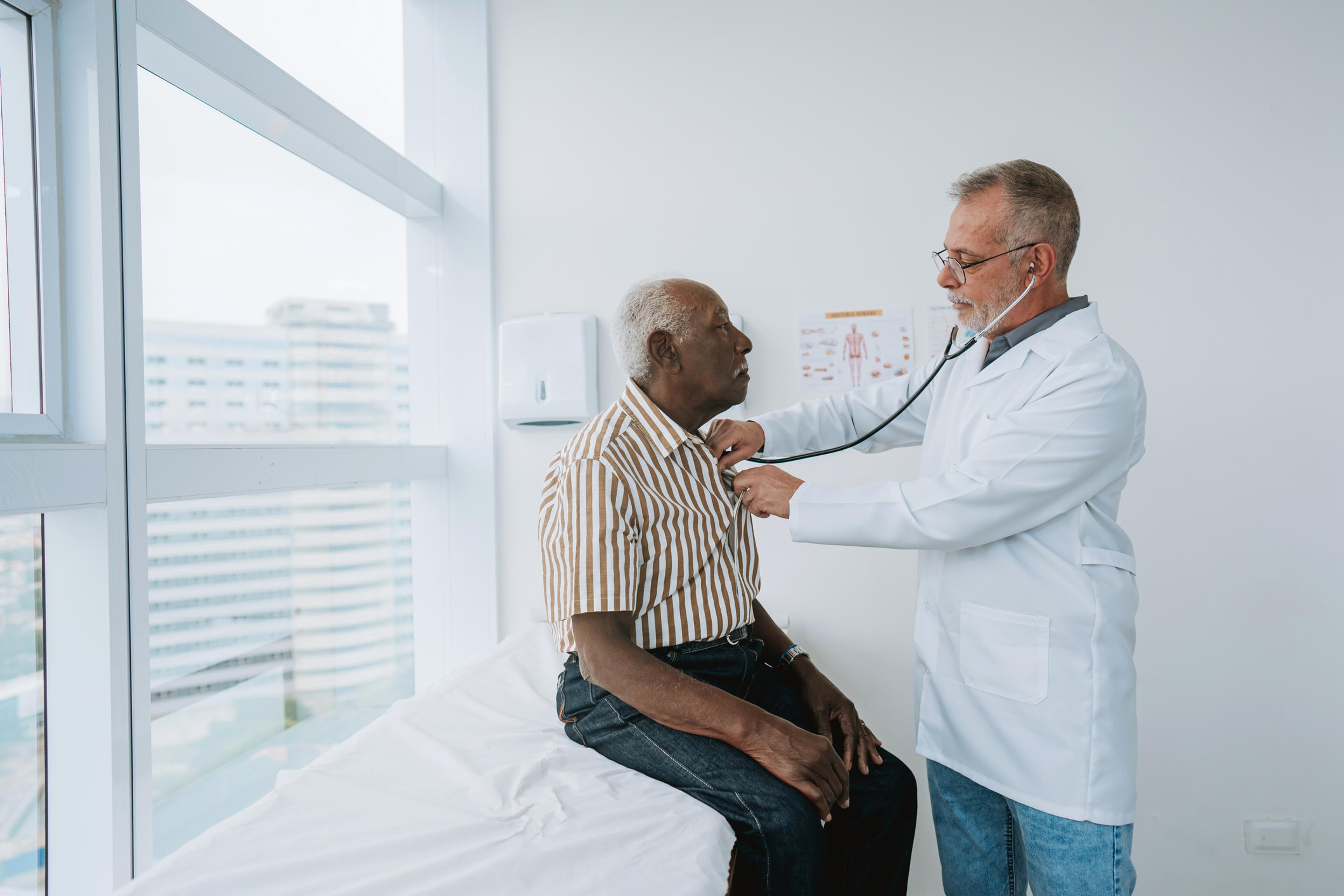
Many different types of technologies can help with health and safety for older adults. These technologies don’t replace visits with primary care providers (PCP) and help from loved ones, but they can increase access to emergency response and medication management, among other helpful technologies.
Wearables
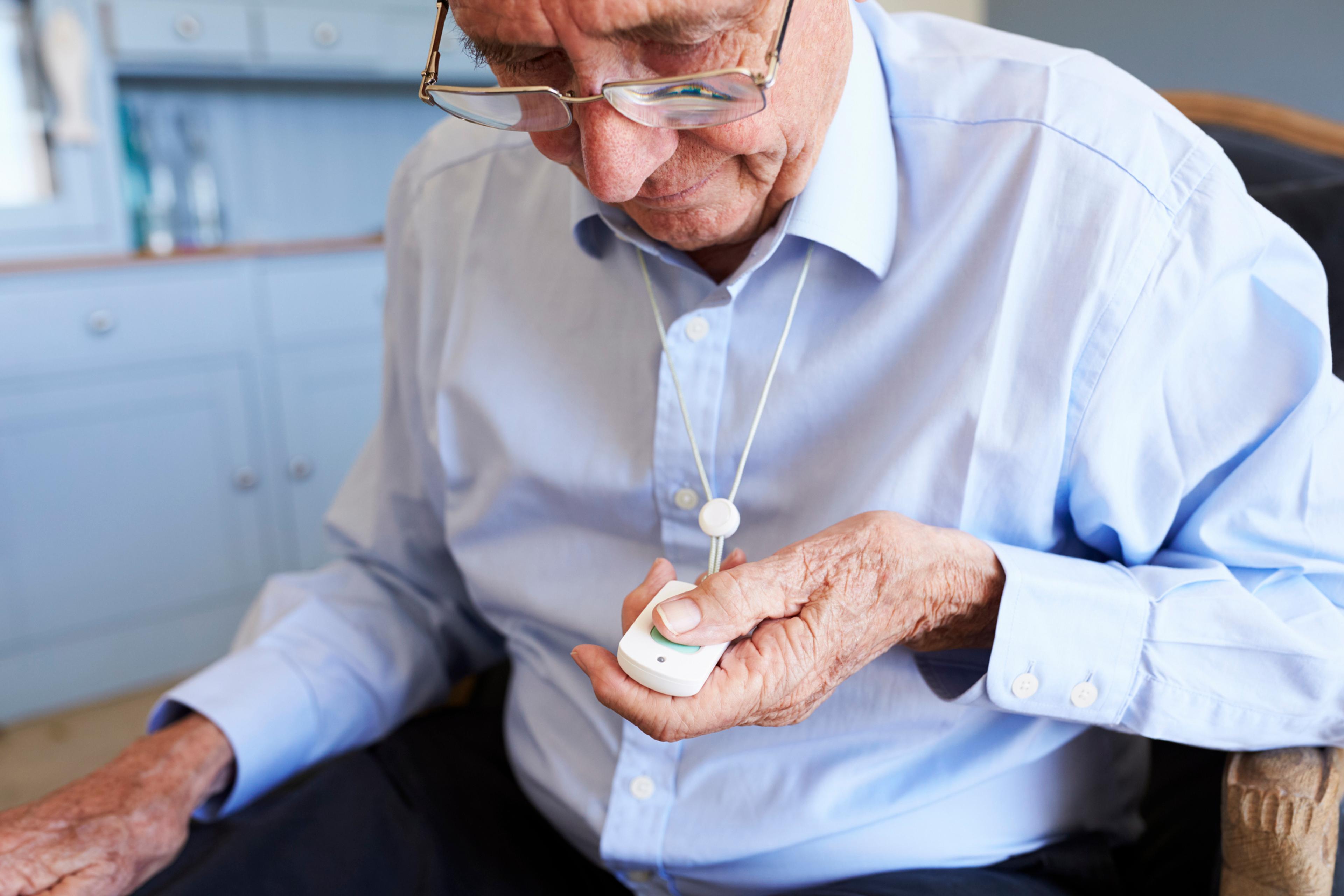
Smart watches and medical alert systems can allow seniors to call for help in the case of an emergency. Some of these tools have automatic fall detection and GPS tracking, allowing a senior to call for help if they cannot reach a phone.
Fitness trackers and smart watches can also monitor heart rate and basic health metrics.
Monitoring devices
Monitoring devices can help manage chronic conditions at home. Tools such as continuous glucose monitors and blood pressure cuffs can make it easier to detect sudden, dangerous changes in blood sugar levels or blood pressure.
Smart home devices
Automatic fall detection and smart sensors detect sudden movement, such as falls, and can alert family members in the case of unusual activity.
Common smart home devices such as Amazon Alexa can also help with lighting control, temperature, grocery lists and even medication reminders. They function with simple voice commands, making them good options for those who struggle with smartphones and apps.
Medication management technology
Smart pill dispensers can aid with medication adherence to ensure seniors take drugs on time and in the correct dose. Phone apps can also provide reminders for medication.
Taking medication as prescribed is important for health. Medication nonadherence may contribute to nearly 25% of hospital admissions and about 125,000 deaths in the U.S. each year.
Barriers to smart tech
Some seniors may find these conversations difficult and resist making changes. A 2023 AARP study found 20% of seniors have no interest in these tools, and say the devices were too intrusive and expensive.
Here are a few reminders for loved ones talking to seniors who don’t want to use technologies:
- These tools can improve their health and longevity, particularly for those who live alone.
- These devices can aid them in the case of an emergency and receive help more quickly.
- Staying healthy reduces stress for the individual and their loved ones.
- Staying healthy and out of the hospital or a rehabilitation center can save money on health care costs and reduce stress for families.
Seniors can also assess their risk of falling with the National Council on Aging’s Falls Free Check Up.
Blue Cross Blue Shield of Michigan members can check out Blue365 deals where they can find discounts on medical alert jewelry and vision/hearing products.
Seniors can talk to their PCP about these devices, including health risks and what tools may help. Blue Cross Blue Shield of Michigan and Blue Care Network members can find a doctor near them by using the Find a Doctor tool, available on both bcbsm.com and the BCBSM mobile app.
Peter Graham, M.D, is the clinical director for the Blue Care Network. For more health tips and information, visit MIBlueDaily.com.
Image: Getty Images
Related: