How Poor Posture Affects Digestive Health

Lindsay Knake
| 3 min read
Lindsay Knake is a brand journalist and project plan...
Key Takeaways
- Poor posture from desk‑bound work can compress the abdomen, leading to constipation, heartburn and stress incontinence.
- Keeping shoulders back, head aligned, feet flat while sitting and taking frequent movement breaks can improve spinal alignment and ease digestive symptoms.
- Persistent digestive issues should be evaluated by a primary care provider, who may refer patients to a physical therapist or pelvic‑floor specialist for targeted care.
Millions of Americans have sedentary jobs, working at desks and computers and spending little time during the day moving.
A sedentary lifestyle can contribute to poor posture. You may not realize it, but having poor posture could contribute to common digestive issues. Here’s a look at some of these health problems and what you can do to improve your posture.
How poor posture affects digestive health
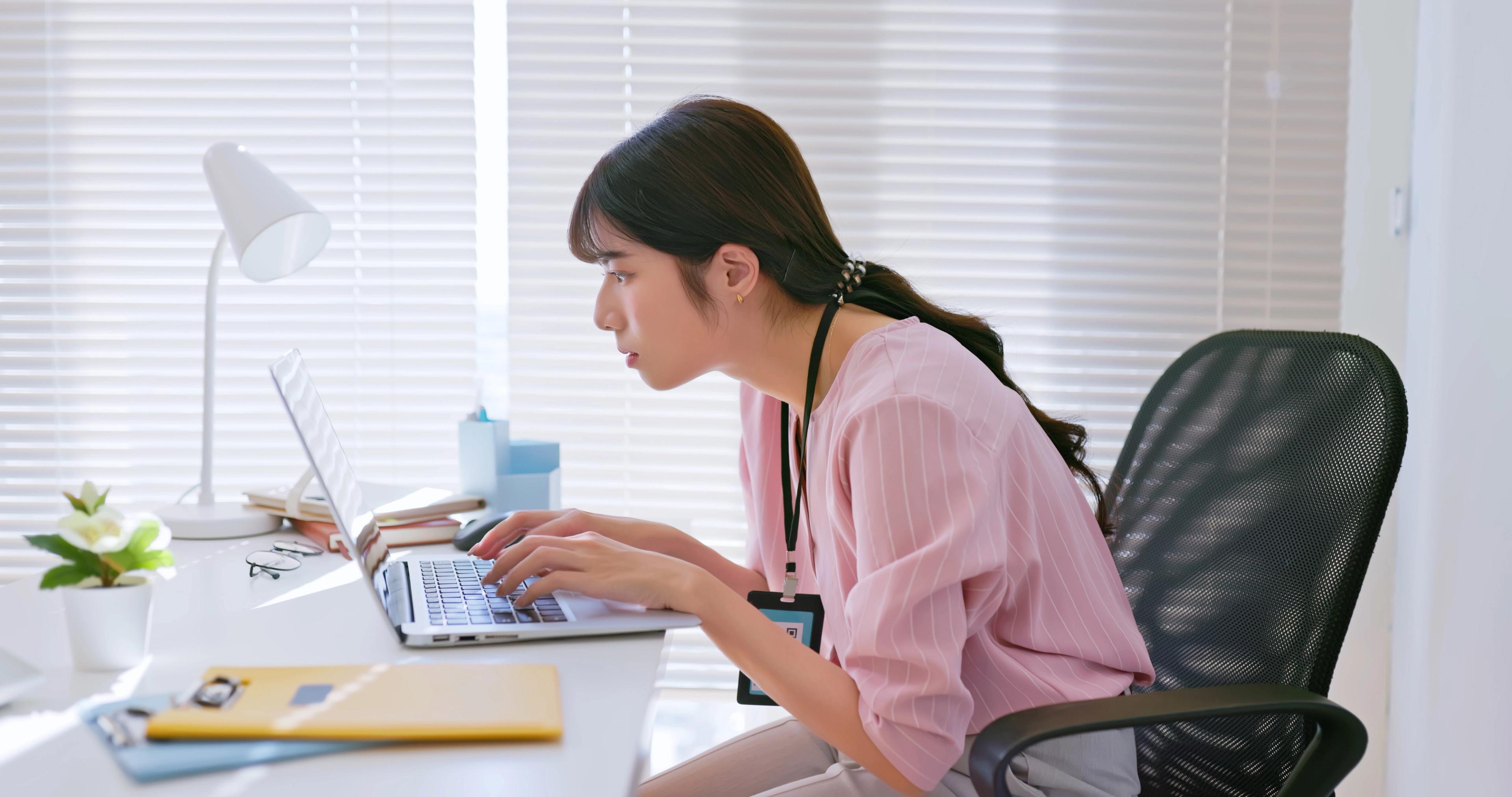
Poor posture can look like being hunched over, your head leaning forward and your pelvis tilted forward or backward. Proper posture, on the other hand, looks like your body being in a straight line from your ear to your shoulder to your pelvis, according to the Cleveland Clinic.
When your body isn’t aligned, it can cause neck and back pain and even some common digestive problems.
Constipation
Sitting hunched over on the toilet can increase your risk for constipation, according to Harvard Health. Being hunched over can make it more difficult for your abdominal muscles to move feces through your colon, which can reduce the number of bowel movements to fewer than three per week. This can also cause straining to move your bowels.
While occasional constipation may not cause any problems, dealing with it for three weeks or more can lead to torn tissue, impaction or rectal prolapse and the need for medical treatment.
Heartburn
Slouching, especially after eating, can also lead to heartburn, per Harvard Health. This is when stomach acid flows up the esophagus and irritates its lining, causing pain in your chest.
Ongoing acid reflux can lead to gastroesophageal reflux disease (GERD) and other health concerns such as difficulty swallowing, unexplained weight loss, persistent nausea or vomiting.
Incontinence
Slouching can also put pressure on your abdomen and your bladder, which can increase your risk of stress incontinence, according to Harvard Health. In time, this can also put pressure on pelvic floor muscles. Having a weak pelvic floor can in turn lead to incontinence, constipation and back pain.
Talk to your primary care provider (PCP) if you have digestive difficulties for diagnosis and treatment. If you need more specific treatment for posture or your pelvic floor, your PCP may refer you to a specialist such as a physical therapist.
How to improve your posture
You may be able to alleviate some of the symptoms of digestive issues with proper posture. Here are a few tips to improve your posture while standing, per the Mayo Clinic:
- Keep your shoulders back
- Keep your head in line with your body
- Stand on the balls of your feet
- Engage your core
To improve your posture while sitting:
- Keep your feet flat on the floor
- Don’t cross your legs
- Support your back with the chair or a pillow
- Continue to keep your head in line with your spine
- Consider getting a small stool to set your feet on while defecating
Take regular breaks throughout your day to walk and do stretches such as neck rotations, side neck stretches and shoulder rolls and shrugs. Core strengthening exercises can also help you maintain proper posture, per the Cleveland Clinic. A practice such as tai chi walking can help you focus on your body while walking and help you improve stability and balance.
Photo credit: Getty Images