Can My Lungs Heal After Quitting Vaping?

Lindsay Knake
| 3 min read
Lindsay Knake is a brand journalist and project plan...
Key Takeaways
- Vaping is not risk-free. E-cigarette aerosol can contain nicotine, heavy metals, cancer-causing chemicals and other substances that may damage the lungs and increase the risk of conditions such as asthma, lung disease and EVALI.
- While the long-term effects of vaping are still being studied, experts say quitting can improve lung function over time. Former users often experience less coughing, easier breathing, reduced chest tightness and increased energy in the weeks after quitting.
- While the long-term effects of vaping are still being studied, experts say quitting can improve lung function over time. Former users often experience less coughing, easier breathing, reduced chest tightness and increased energy in the weeks after quitting.
Nearly 1.5 million young people reported vaping in 2025. It’s more popular than smoking cigarettes in this age group, and it may be because of the fruit flavors or the idea that vaping is better than alternatives.
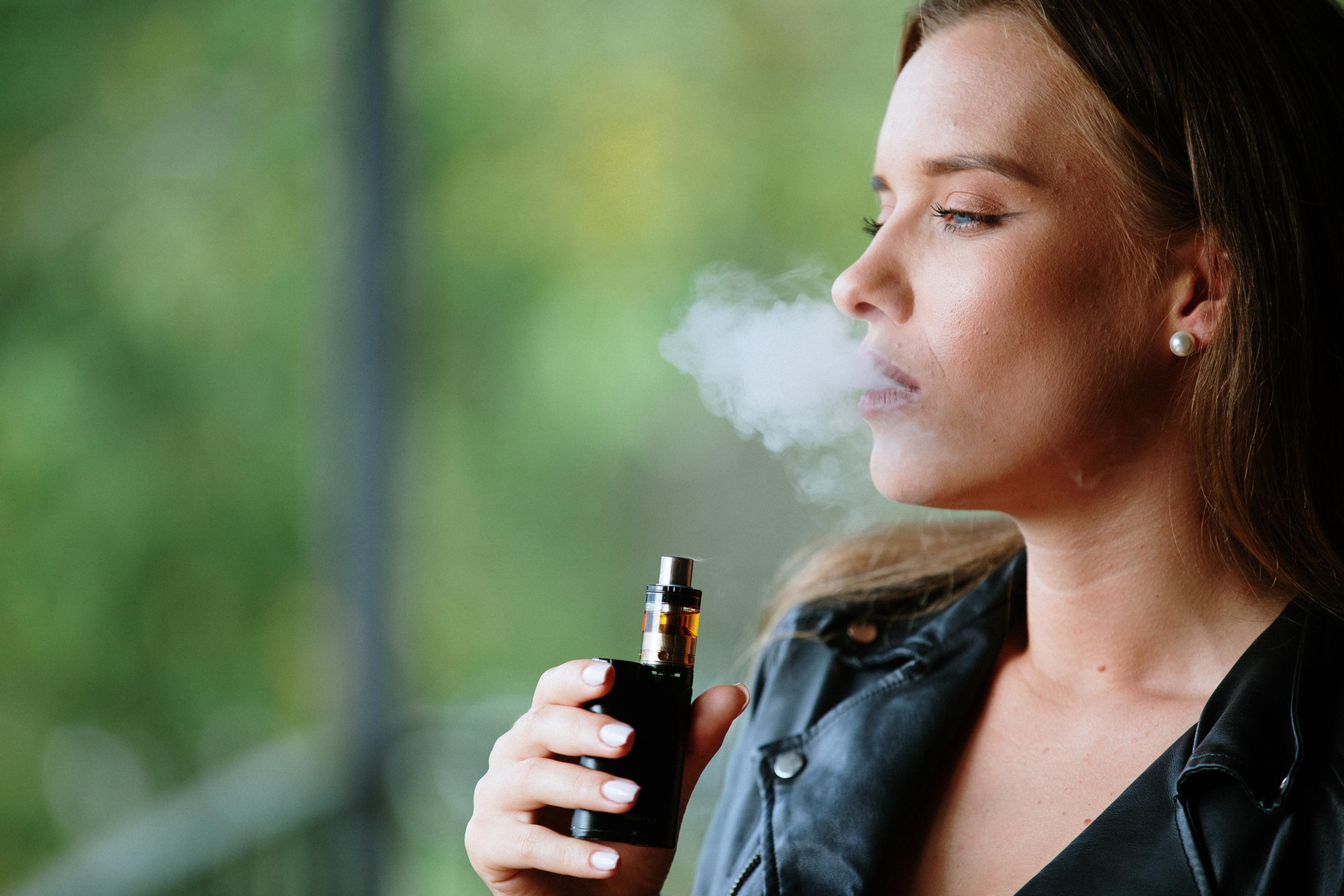
Vaping is not harmless, according to the Cleveland Clinic. Although e-cigarette aerosol generally contains fewer and lower levels of many toxicants than cigarette smoke, vaping can expose users to nicotine and other substances that may harm the lungs. People who do not smoke should not start vaping.
It can lead to lung damage and disease. So, can your lungs heal after vaping? While there’s a lot unknown about the long-term effects of vaping, here’s what we know about the health risks of e-cigarette use.
What are the health risks of vaping?
Vaping involves an e-cigarette that heats up a liquid to turn it into a vapor to inhale. Vape liquid typically contains highly addictive nicotine and can be flavored like fruit.
While vaping can seem like a safer alternative to tobacco cigarettes, they also containultrafine particles, heavy metals and other chemicals that users inhale into their lungs. E-cigarette vapor can contain the following harmful substances, per the U.S. Centers for Disease Control and Prevention:
- Cancer-causing chemicals
- Heavy metals such as nickel, tin and lead
- Tiny particles that can be inhaled deep into the lungs
- Volatile organic compounds
- Flavorings such as diacetyl, a chemical linked to serious lung disease
Nicotine addiction can keep people using e-cigarettes and inhaling these substances.
Vaping is still fairly new and research is still ongoing, but some of the dangers of vaping can include:
- Asthma
- Cancer
- Lung disease
- E-cigarette, or vaping, product use associated lung injury (EVALI)
In young adults, nicotine can lead to impaired attention, memory and learning, per the American Lung Association (ALA).
Can my lungs heal after quitting vaping?
The long-term effects of vaping are still unknown, including how vaping affects the lungs over time, according to Harvard Health.This is similar to how we didn’t know the effects of cigarettes for many years. Now, however, we know smoking increases the risk of developing cancer, heart disease, heart attacks, stroke and other health problems, according to the American Cancer Society.You may not be able to entirely reverse damage from vaping, according to a report from National Academies of Science, Engineering and Medicine.
It’s best for your lungs and overall health to avoid vaping or smoking entirely. The next best thing you can do for your health is quit as soon as possible, per the ALA. Talk to your primary care provider (PCP) about your lung health. To date, there is no screening for people who vape.
There are lifestyle habits you can practice to support your lung health:
- Eat a nutritious diet with plenty of antioxidant-rich fruits and vegetables.
- Stay hydrated with water.
- Keep your air clean at home with an air purifier.
- Monitor the air quality index and stay indoors when the air is unhealthy.
- Get regular exercise to strengthen your lungs but talk to your PCP about exercising safely.
- Monitor your lung health with regular visits to your PCP.
Even with long-term risks, lung function willlikely improve gradually in the days and weeks after you quit vaping. There are signs your lungs are healing, including:
- You cough less as your body clears mucus and irritants.
- Your breathing becomes easier and you’re less short of breath, especially during exercise or activity.
- Your chest feels less tight as inflammation subsides.
- Your energy increases as your oxygen levels also increase.
If you struggle with quitting, you can seek help and support to ensure quitting sticks. Michigan has a free Tobacco Quit Program that can help you quit smoking or vaping today. To enroll in the Tobacco Quit Program:
- Visit: MI Tobacco Quitlink
- Call: 1-800-QUIT-NOW (784-8669)
- TTY: 1-888-229-2182
- 24 hours a day, seven days a week
Photo credit: Getty Images