How to Eat for Diverticulitis
Lindsay Knake
| 3 min read
Lindsay Knake is a brand journalist and project plan...
Key Takeaways
- Start with a clear liquid diet—water, broth, clear juices and tea—for up to 48 hours, then transition to a low‑fiber plan that includes soft proteins, cooked vegetables and refined grains while avoiding red meat, spicy or fatty foods.
- Eat five to six small meals a day, stay well‑hydrated and work with your primary‑care provider to reintroduce high‑fiber foods gradually; long‑term fiber and regular exercise help prevent future flare‑ups.
- Keep an eye on symptoms and seek medical care promptly if pain worsens or you develop fever, chills or blood in stool.
If you’ve ever had diverticulitis, you know how painful the intestinal condition can be.
You may find yourself suffering from pain, a loss of appetite and nausea, among other symptoms. One of the primary treatments for this condition is the diverticulitis diet. Here’s a look at diverticulitis and how to approach meals during a flare up.
What is diverticulitis?
The wall of the large intestine, or colon, is smooth, but most people will develop irregular, bulging pouches on the colon wall as they age, according to the Mayo Clinic. These pouches are called diverticula. More than 70% of people age 80 or older have diverticula in their large intestine, and it’s not a problem, per Harvard Health. But if these pouches become inflamed or infected, they can cause pain and other uncomfortable symptoms. This condition is called diverticulitis.
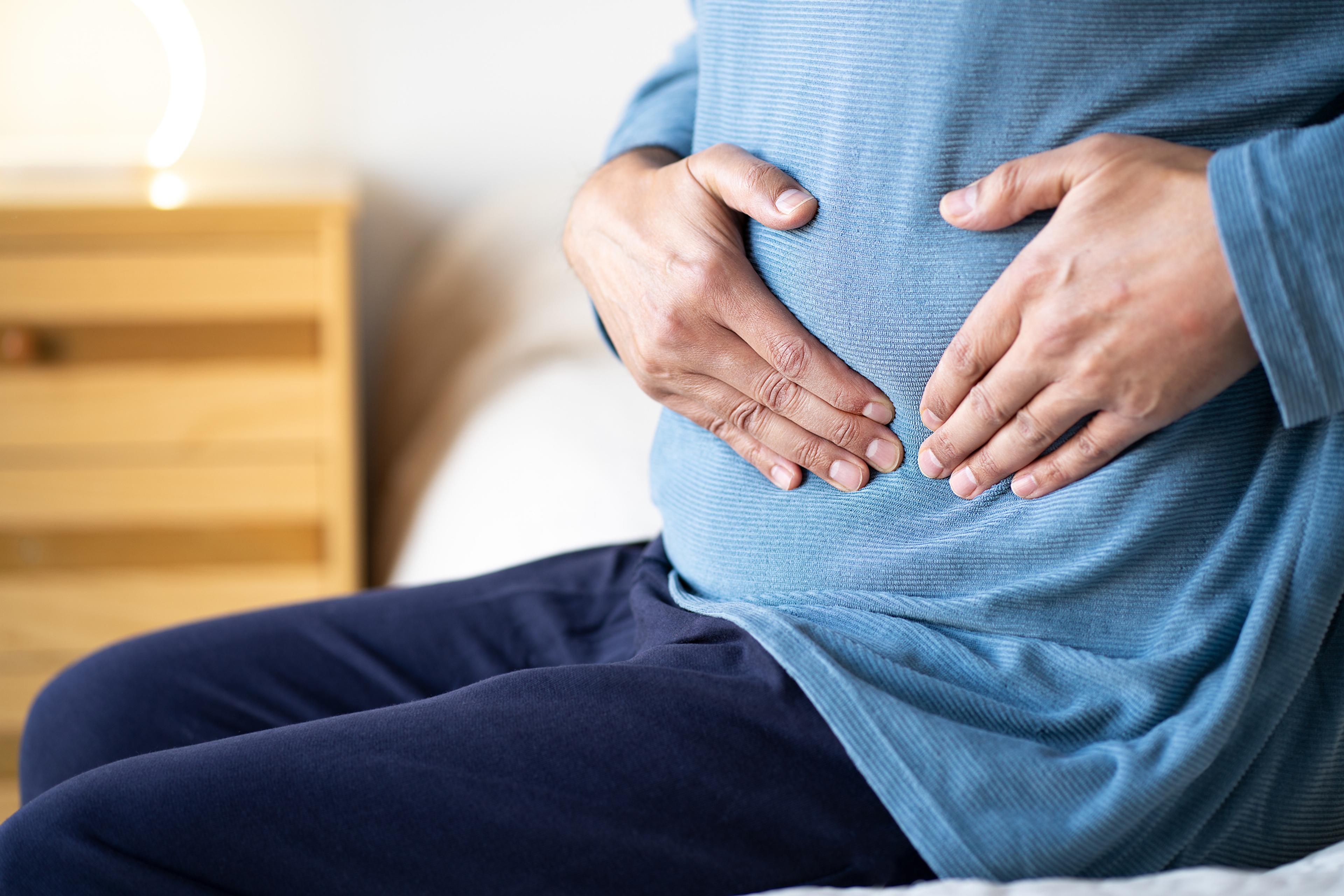
Diverticulitis is characterized primarily by sudden, intense pain in the lower left part of your abdomen. The severity of the pain can also change over time, starting as mild and worsening with time. Other common symptoms of diverticulitis include:
- Abdominal tenderness
- Loss of appetite
- Nausea and/or vomiting
- Fever and/or chills
- Diarrhea or constipation
- Blood in stool
Talk to your primary care provider (PCP) immediately if you have this pain. Infected diverticula can lead to bleeding, an abscess or a tear in the gut that could become life-threatening. Some symptoms of diverticulitis can overlap with those of colon cancer.
Mild diverticulitis is typically treatable with dietary changes, rest and sometimes a round of antibiotics. More severe or ongoing diverticulitis may require further treatment or long-term dietary changes.
What is the diverticulitis diet?
The first part of recovering from diverticulitis is a clear liquid diet to give your colon a break and reduce the inflammation, according to the Mayo Clinic. Talk to your PCP about how long to stay on the diet, but it’s typically not needed for more than 48 hours. Liquids to consume include:
- Water
- Broth
- Black coffee
- Plain tea
- Apple or white grape juice
- Clear sports drinks
- Jello
After this, it’s best to continue a low-fiber diet for up to 10 days until your symptoms improve. This includes protein such as:
- Eggs
- Cheese
- Cottage cheese
- Fish
- Poultry
- Yogurt
Cooked vegetables such as:
- Carrots
- Green beans
- Potatoes and sweet potatoes
- Pumpkin
- Squash
Fruits, including:
- Bananas
- Peaches
- Pears
Grains such as:
- White bread
- Refined wheat bread
- Pasta
Avoid eating red meat, spicy and fatty foods, ultra-processed foods and alcohol.
If you or a loved one have had diverticulitis before, you may have been told to stay away from nuts, popcorn and seeds. However, there is no evidence these foods trigger the condition, per the Mayo Clinic.
While following this diet, start with eating five or six smaller meals a day and continue to drink plenty of water. Work with your PCP on when to reintroduce high fiber foods to your diet, which you may do gradually. A low-fiber diet isn’t healthy long-term as fiber is essential for overall health and prevents expensive chronic conditions. High-fiber foods can also help prevent diverticulitis in the future. Regular exercise is also a good way to prevent the condition.
Most mild cases of diverticulitis will clear up with a change in diet and rest. If you have ongoing diverticulitis, talk to your PCP about more ways to manage the condition.
Image: Getty Images
Read on: