Intermittent fasting has emerged as one of the most prominent nutrition trends, but many people still have questions about what it really is and whether it’s right for them.
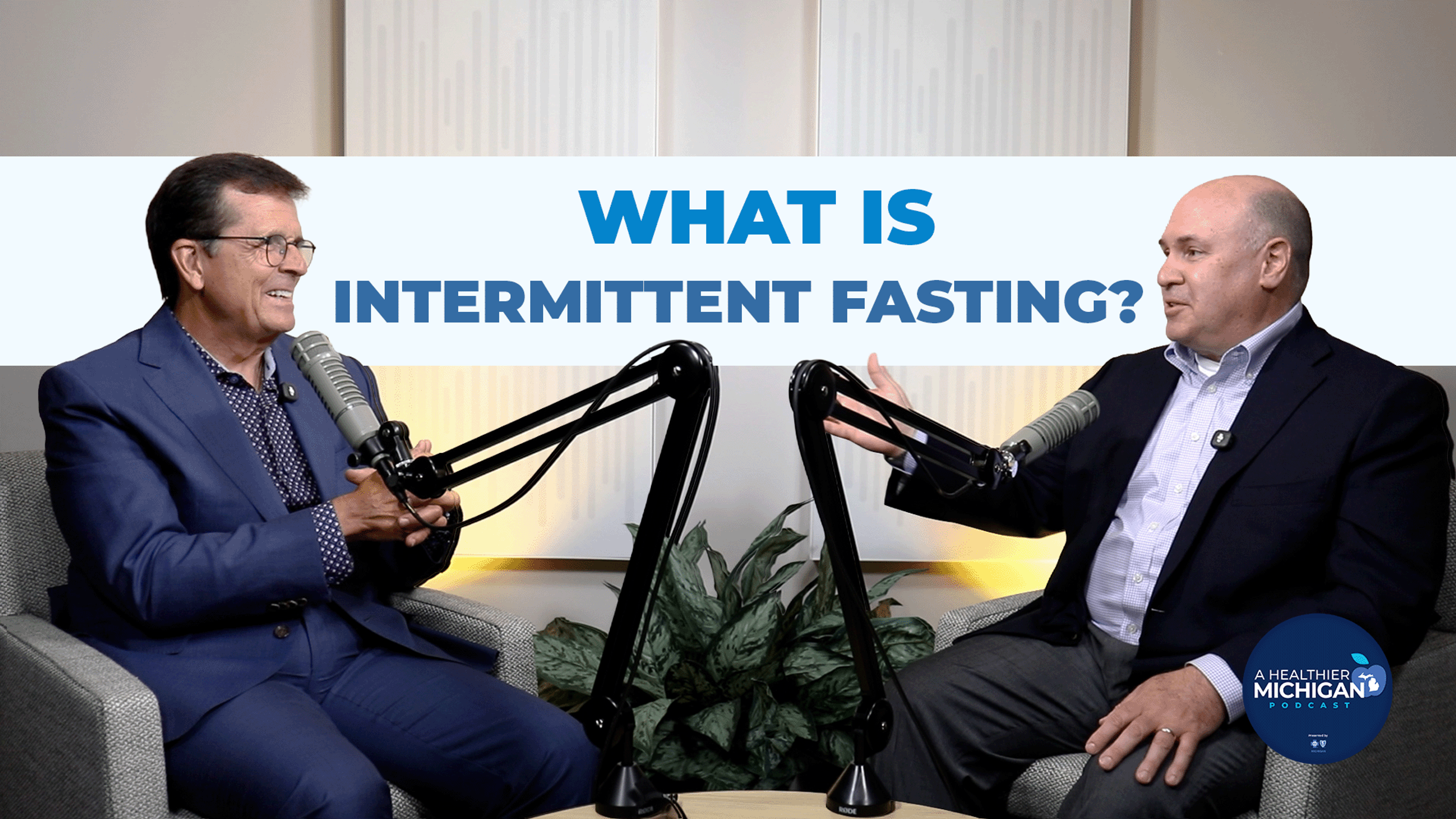
In a recent episode of the A Healthier Michigan Podcast, host Chuck Gaidica sat down with Dr. Peter Graham, Associate Chief Medical Officer of Blue Cross Blue Shield of Michigan, to unpack the science and practicalities behind this eating pattern.
What is intermittent fasting?
Unlike traditional diets focused on calorie counting or restricting specific food groups, intermittent fasting is all about timing. Graham explained that intermittent fasting means defining specific periods for eating and fasting. For many, this simply means extending the overnight fast by skipping late-night snacks and delaying breakfast. The most popular schedule is the "16:8" method, where individuals fast for 16 hours and eat within an eight-hour window. Other variations include alternate-day fasting, but Graham emphasized that the best approach is the one that fits your lifestyle.
One reason intermittent fasting has gained traction is its simplicity. Instead of meticulously tracking foods, individuals can focus on the clock and build on the natural fasting period that occurs during sleep. Graham noted that fasting periods allow insulin levels in the body to drop, which may promote the use of stored energy and support cellular repair processes such as autophagy. He cautioned, however, that hydration is crucial. Fasting should never mean restricting water, and non-caloric beverages are encouraged.
Are there risks to intermittent fasting?
The podcast also addressed important cautions. Intermittent fasting is not recommended for children, young adults up to their early 20s, pregnant or nursing women, or those with certain medical conditions such as diabetes or heart disease unless approved by a physician. Graham also warned that anyone with a history of eating disorders should avoid fasting because of the risk of triggering unhealthy behaviors.
For those looking to begin, Graham advised starting small, gradually extending fasting periods, and prioritizing a balanced diet during eating windows. While intermittent fasting can offer benefits for some, it is not a one-size-fits-all solution and listening to your body is key.
Intermittent fasting may be a popular topic, but as with any health trend, it’s important to weigh both the benefits and potential drawbacks. Sustainable, healthy habits matter more than following any trend.
Listen to the podcast, What is Intermittent Fasting? Should You Try It?, to hear the entire conversation. A Healthier Michigan Podcast is brought to you by Blue Cross Blue Shield of Michigan.