
Dry scooping, mouth taping and looksmaxxing. Some health and wellness trends are backed by science, and others, not so much.
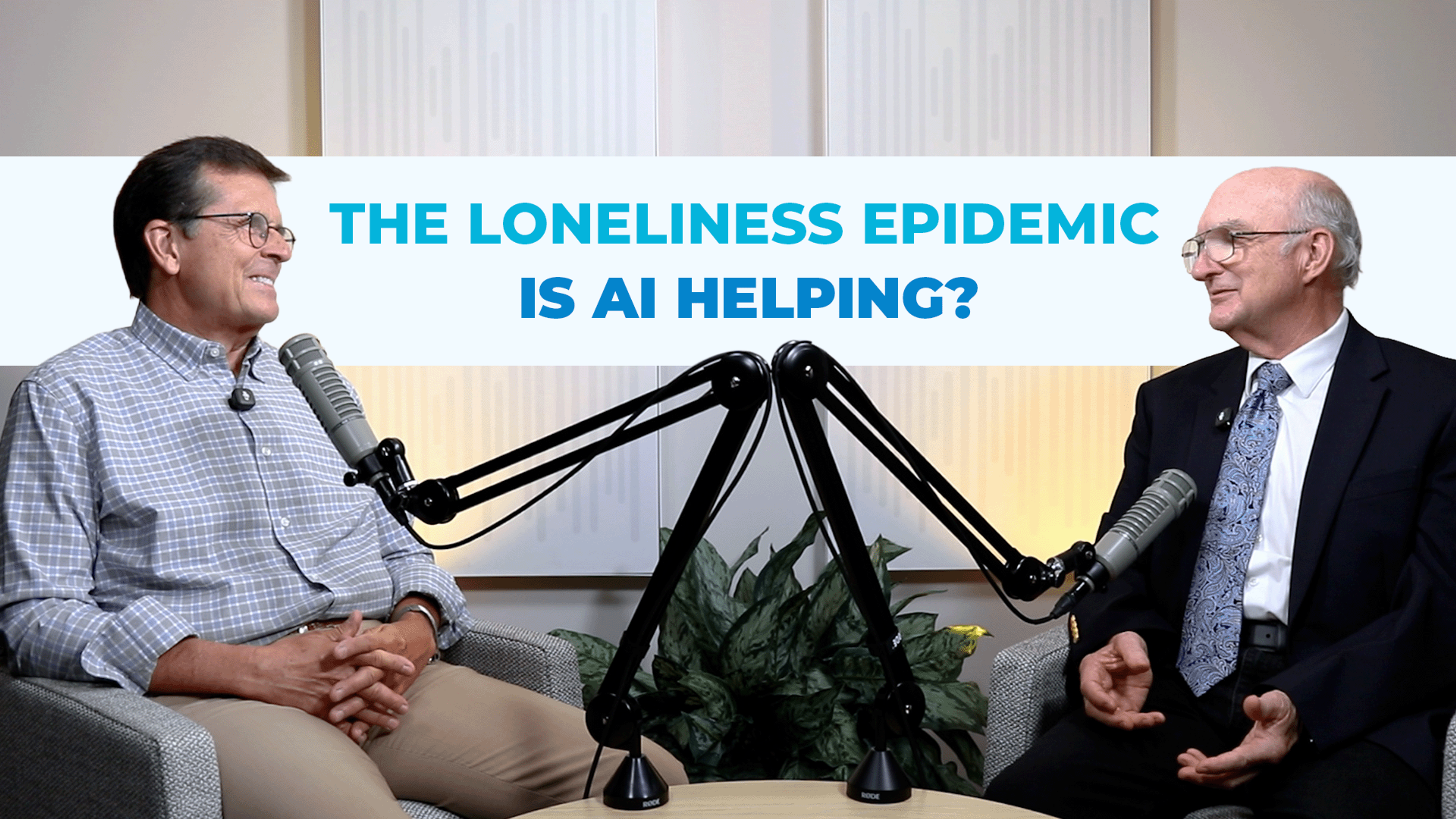
On the latest episode of the A Healthier Michigan Podcast, host Chuck Gaidica and Blue Cross Blue Shield of Michigan Care Management physician Dr. Angela Seabright dig into why health and wellness trends catch fire online, who is behind them and how to protect yourself from falling for the hype.
Gaidica notes every week brings a new social media health craze, from miracle supplements to dramatic beauty routines. While some trends are grounded in science, others are overhyped or even risky. Seabright points out the sheer volume of online information make it hard to distinguish the genuinely helpful from the misleading. Why do trends gain traction so quickly? Seabright says social media algorithms often reinforce beliefs by feeding users similar content, making it even harder to sort fact from fiction.
So how do you know what to trust? Seabright suggests a few quick gut checks. Watch out for fear-based messaging and always look at who is giving the advice, are they really an expert, or just someone with a lot of followers? Ads and sponsored posts should raise your skepticism, but even earnest recommendations deserve a closer look. Before you buy into the latest supplement or try a restrictive diet, fact-check the claims and talk with your doctor. As Gaidica points out, a little online research can reveal whether a supposed expert is the real deal or just another influencer.
The conversation highlights that not all trends are dangerous, but even seemingly harmless fads can become problematic if they replace proven medical care or are taken to extremes. Seabright urges listeners to be careful with supplement use and restrictive wellness challenges, especially for those with existing medical conditions. She also addresses the rise of “looks maxing” and other extreme self-optimization trends gaining popularity with younger audiences, cautioning that unrealistic standards and excessive behaviors can be harmful to both physical and mental health.
Balance and consistency are much more important than quick fixes. Seabright encourages focusing on healthy sleep, social habits and gradual lifestyle changes that are sustainable. The episode closes with a reminder to think critically about wellness trends and to prioritize habits that support long-term health. For more tips and episodes, visit A Healthier Michigan and subscribe to the Healthier Michigan Podcast.
Listen to the episode, Do These Health And Wellness Trends Really Work?, to hear the entire conversation. A Healthier Michigan Podcast is brought to you by Blue Cross Blue Shield of Michigan.