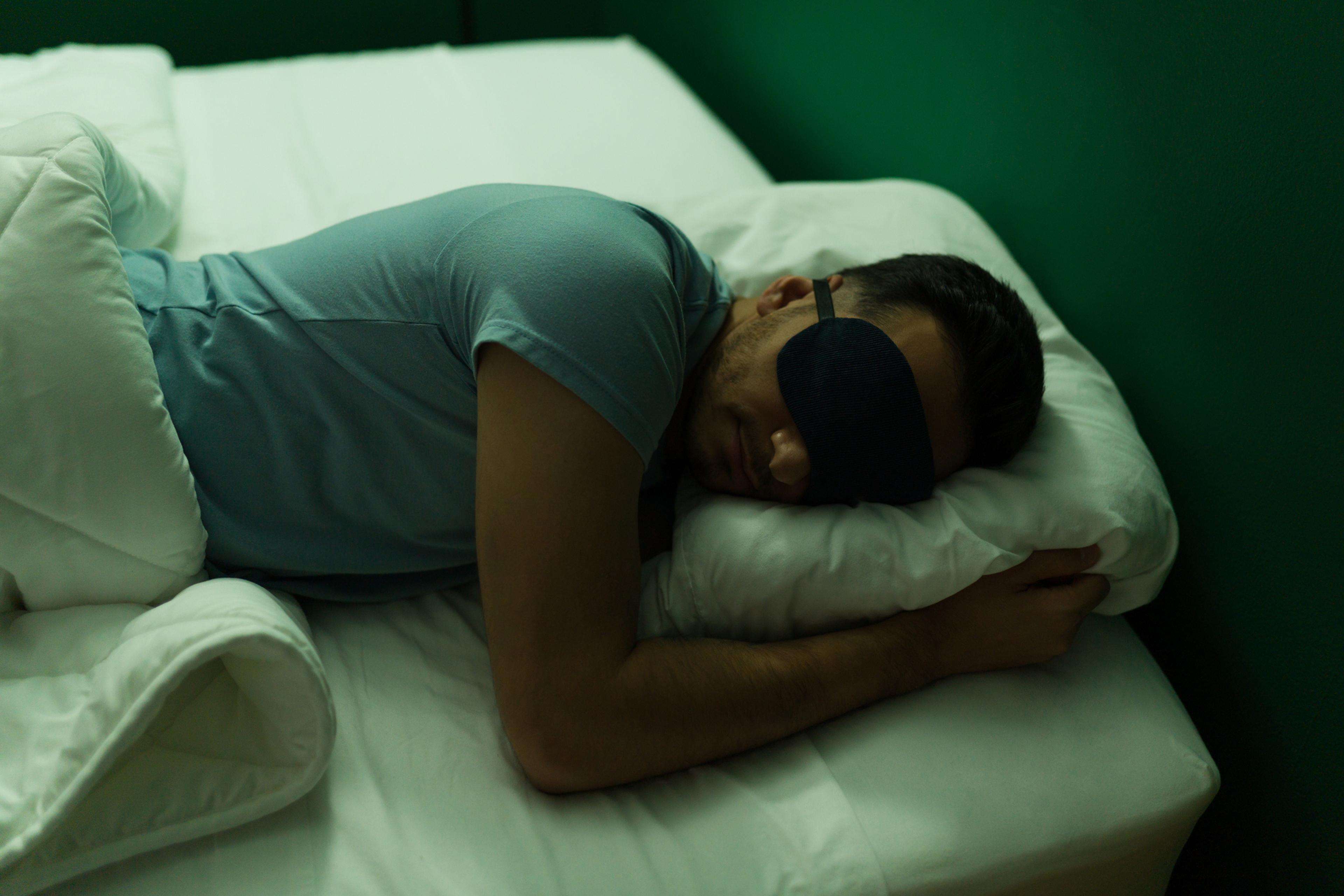
Oversleeping: Is It Possible to Get Too Much Sleep?

Jake Newby
| 4 min read
Jake Newby is a brand journalist for Blue Cross Blue...

Key Takeaways
- Sleeping more than nine hours occasionally is normal, but regularly needing extra sleep may signal poor sleep quality or an underlying condition.
- Oversleeping has been linked to diabetes, heart disease, obesity and depression, though researchers say it may be a symptom rather than a cause.
- Sleep quality matters as much as sleep quantity. Stress, sleep disorders and nighttime disruptions can leave you tired despite long sleep.
- Talk to your doctor if you regularly sleep more than nine hours, wake up tired or struggle with excessive daytime sleepiness.
Getting good, consistent sleep is a pillar of good health. But while sleep deprivation gets plenty of attention, there is another question worth asking: Is it possible to get too much sleep?
The recommended amount of sleep for most adults is seven to nine hours per night. For teens ages 13 to 18, the Centers for Disease Control and Prevention recommends between eight and 10 hours a night.
Regularly sleeping more than nine hours may be considered oversleeping, particularly when it is accompanied by daytime sleepiness or other symptoms. If you feel like you might be sleeping too much, here’s how to identify the issue so you can correct it.
What does oversleeping mean?
Oversleeping generally refers to consistently sleeping more than nine hours in a 24-hour period. The Sleep Foundation notes that occasional extra sleep is usually not cause for concern, but regularly sleeping longer while still feeling tired can be a sign of an underlying issue.
Research also suggests that the relationship between long sleep and health is more complicated than simply saying too much sleep is harmful. A 2021 study examined what happened when healthy adults were given extended opportunities to sleep.
Researchers found that participants initially slept longer while recovering from insufficient sleep, but their sleep duration eventually decreased and stabilized. The researchers concluded there was no evidence that healthy people can chronically sustain more than 10 hours of sleep and noted that consistently long sleep could have an underlying medical or sleep-related cause.
What happens when you oversleep?
Long sleep duration has been associated with several health conditions, including:
- Type 2 diabetes
- Heart disease
- Obesity
- Depression
However, these associations do not prove oversleeping causes those conditions, according to John Hopkins Medicine. In some cases, the underlying illness itself may be contributing to longer sleep.
Sleep apnea, restless legs syndrome, chronic pain, certain medications, depression and other conditions can interfere with restorative sleep or increase sleepiness. Restorative sleep refers to how much time you spend in deep, slow wave sleep and REM (rapid eye movement) sleep throughout the night.
Why sleep quality matters
Eight hours in bed does not necessarily mean eight hours of restorative sleep. Factors such as stress, alcohol, caffeine, a poor sleep environment and frequent nighttime awakenings can interfere with sleep quality. A combination of these factors can create an unwanted cycle in which you sleep longer because you feel tired, but the additional time in bed does not address the reason you are tired.
Short naps can sometimes combat daytime fatigue. It is recommended that power naps last roughly 10 to 30 minutes, preferably earlier in the afternoon, to reduce the likelihood of grogginess and interference with sleep later that night.
When should oversleeping be a concern?
An occasional weekend of sleeping late does not necessarily signal a problem. But regularly needing more than nine hours of sleep, frequently falling asleep during the day or waking up tired despite getting plenty of sleep may warrant a conversation with your primary care provider.
A sleep study can help determine whether a sleep disorder or another medical condition is affecting sleep quality and daytime energy.
FAQs about oversleeping
Is nine hours of sleep too much?
Not necessarily. Most adults need seven to nine hours, but individual sleep needs vary, and occasional longer nights can be normal.
Can oversleeping make you tired?
Sleeping longer does not necessarily make someone tired, but persistent long sleep accompanied by daytime sleepiness can signal poor-quality sleep or an underlying condition.
Is it OK to sleep for 10 hours sometimes?
Yes. Extra sleep can help the body recover after sleep deprivation, illness, travel or strenuous activity.
When should someone talk to a doctor about oversleeping?
Consider talking with a healthcare provider when regularly sleeping more than nine hours does not result in adequate energy, particularly when excessive daytime sleepiness is present.
Are naps a substitute for nighttime sleep?
Naps can provide a temporary boost in energy and alertness, but they should not routinely replace adequate nighttime sleep. Short, 10-to-30-minute naps may help limit grogginess and disruption to nighttime sleep.
Photo credit: Getty Images