What are Stress Hives?

Lindsay Knake
| 3 min read
Lindsay Knake is a brand journalist and project plan...
Key Takeaways
- Stress can trigger hives by prompting the body’s “fight‑or‑flight” response, which releases histamine from mast cells in the skin.
- Most stress‑related hives are short‑lived, lasting eight to 12 hours, but they may persist for weeks; they become chronic if they last six weeks or longer.
- Home treatment includes avoiding scratching, taking an over‑the‑counter antihistamine such as cetirizine or loratadine, using a mild anti‑itch cream, showering with warm water and mild soap, wearing loose clothing and managing stress through rest or professional help.
You may have experienced a rash or welts on your skin during a particularly busy or overwhelming week. These welts may be across your body, and they might itch quite a bit.
If you don’t think you’re having an allergic reaction, what’s the cause? Could it be stress? Here are some things to know about hives and stress and how you can manage both.
What are hives?
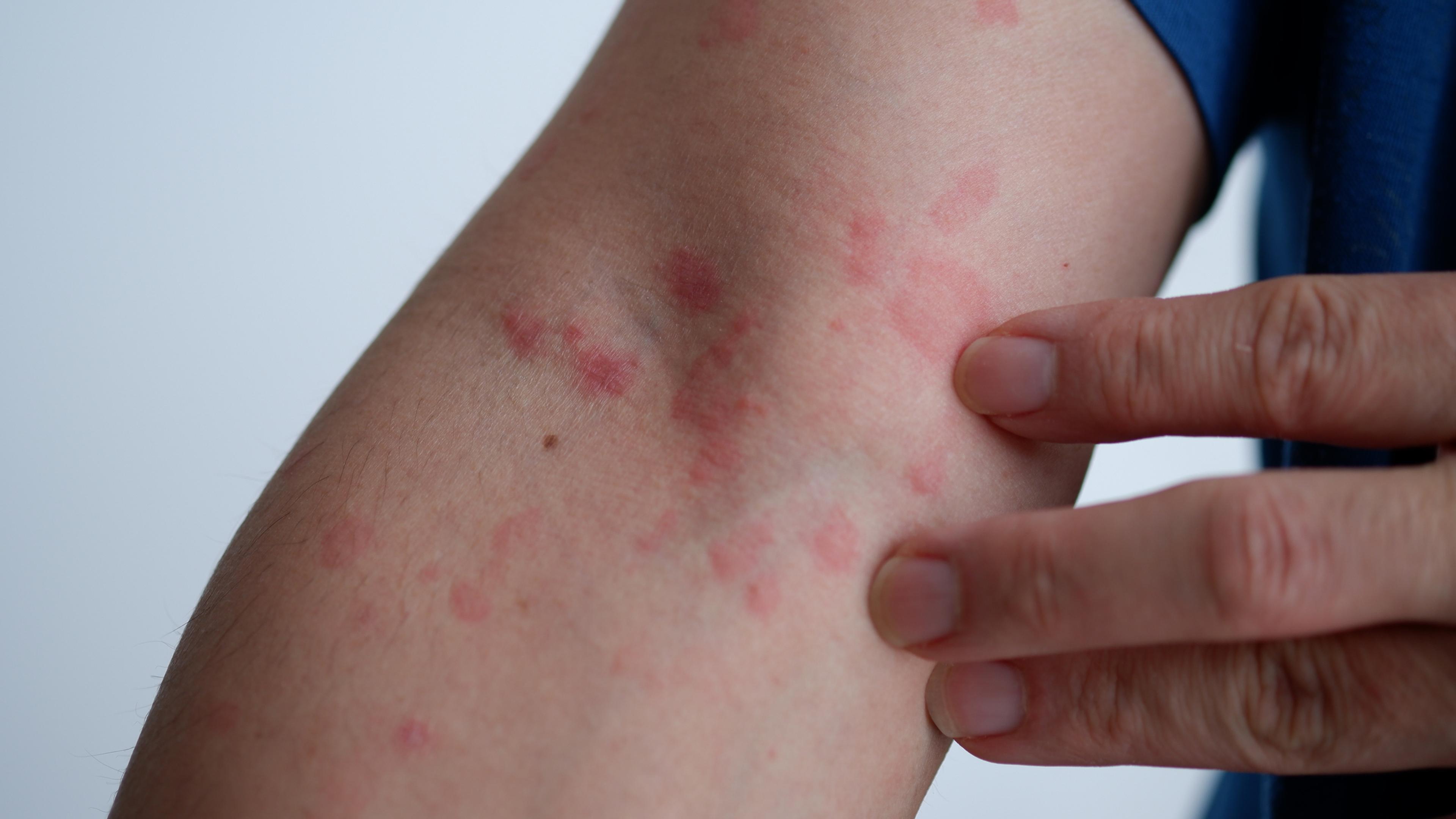
Hives are round or oval swellings or welts on your skin. These welts form when mast cells in the skin release histamine, which leads to tiny blood vessels called capillaries leaking fluid that gathers in the skin, according to Harvard Health. Histamine is an essential chemical messenger in your body, particularly for your immune system, but the side effects can be uncomfortable.
Hives are often itchy but then can be painful. While typically as small as a pencil eraser or fingertip, some hives can blend to form larger hives called plaques, especially where fabric meets the skin. They can appear as raised red or dark spots, depending on the color of your skin. Hives can appear anywhere on your body, but are most common on your abdomen, thighs and upper arms.
Allergies are a common cause of hives, but stress is another. The body’s stress response, the “fight or flight response” can lead to your body releasing histamine. This can be a side effect of stress.
About 20% of people will get hives in their lifetime, and this condition is most common in people in their 20s and 30s. If you have allergies or eczema, you are more likely to get stress hives, according to the Cleveland Clinic.
Most of the time, hives are mild, if annoying, and aren’t a sign of a serious health issue. Seek immediate medical attention if you experience anaphylaxis, swelling in your face or mouth, wheezing, trouble breathing or chest tightness. This can be a sign of a life-threatening health condition.
How to treat hives
Many cases of stress hives typically last eight to 12 hours unless you are still exposed to the trigger, according to Harvard Health. However, hives can last for weeks or even months. Hives are chronic when they last six weeks or longer.
Stress hives will often go away on their own, but there are a few things you can do at home. Here are ways to treat and manage hives, per the Cleveland Clinic:
- Don’t scratch the hives as this can lead to more hives, broken skin or even infection.
- Take an over-the-counter antihistamine such as cetirizine or loratadine, which can help reduce the histamine in your body and relieve the itching.
- Apply an over-the-counter anti-itch cream.
- Use warm rather than hot water and mild soap when you shower.
- Wear loose-fitting clothing as tight clothing can irritate your skin.
- Try to rest and manage your stress. Talking to a mental health professional can also help with long-term stress.
If you have chronic hives, talk to your primary care provider about other possible causes and treatments.
Photo credit: Getty Images
Read on: