Measles Cases on the Rise Underscore Importance of Getting the Measles Vaccine

Lindsay Knake
| 3 min read
Lindsay Knake is a brand journalist and project plan...
Measles cases are on the rise in the United States, including new cases linked to travel.
There have been 588 confirmed new cases across the United States as of Jan. 29, 2026; there were 2,267 confirmed cases in 2025, according to the Centers for Disease Control and Prevention (CDC). Most of the new cases are from two different outbreaks, including one in South Carolina. As of Feb. 2, there are also three confirmed measles cases linked to international travel in Los Angeles, including Disneyland.
While there have been no new confirmed cases in Michigan as of early February, there was a rise in measles cases in the state in 2025.
What is the measles?
Measles is a highly contagious virus that can lead to serious illness and complications, especially in young children, reports the CDC. About 90% of people without immunity will become sick after being exposed. Once eliminated in the United States, the disease has been on the rise in recent years, as U.S. MMR coverage among kindergarteners is now below the 95% coverage target and is decreasing, per the CDC.
Measles symptoms appear a week to two weeks after contact with the virus, which spreads through droplets from an infected person. An infected person can spread measles four days before and four days after a rash appears. The virus can remain in the air for two hours and spread through surface contact.
Symptoms include:
- High fever
- Cough
- Runny nose
- Tiny white spots in the mouth 2-3 days after symptoms begin
- Red rash in the hairline and down arms, trunk and legs 3 to 5 days after symptoms begin
The diseases can affect everyone, but those most at risk are:
- Children younger than 5
- Adults older than 20
- Pregnant women
- People with weakened immune systems
About 20% of unvaccinated people are hospitalized from measles. About 5% of children with measles get pneumonia, which is the most common cause of death from measles in young children, according to the CDC. Another complication that occurs in around 0.1% of children is encephalitis, which is swelling of the brain that can cause permanent damage.
If you believe you or a loved one has been exposed or show symptoms, call your primary care provider (PCP) immediately. It’s important to call ahead before going to the doctor or emergency room so staff can take precautions to reduce exposure to others.
How do I prevent measles?
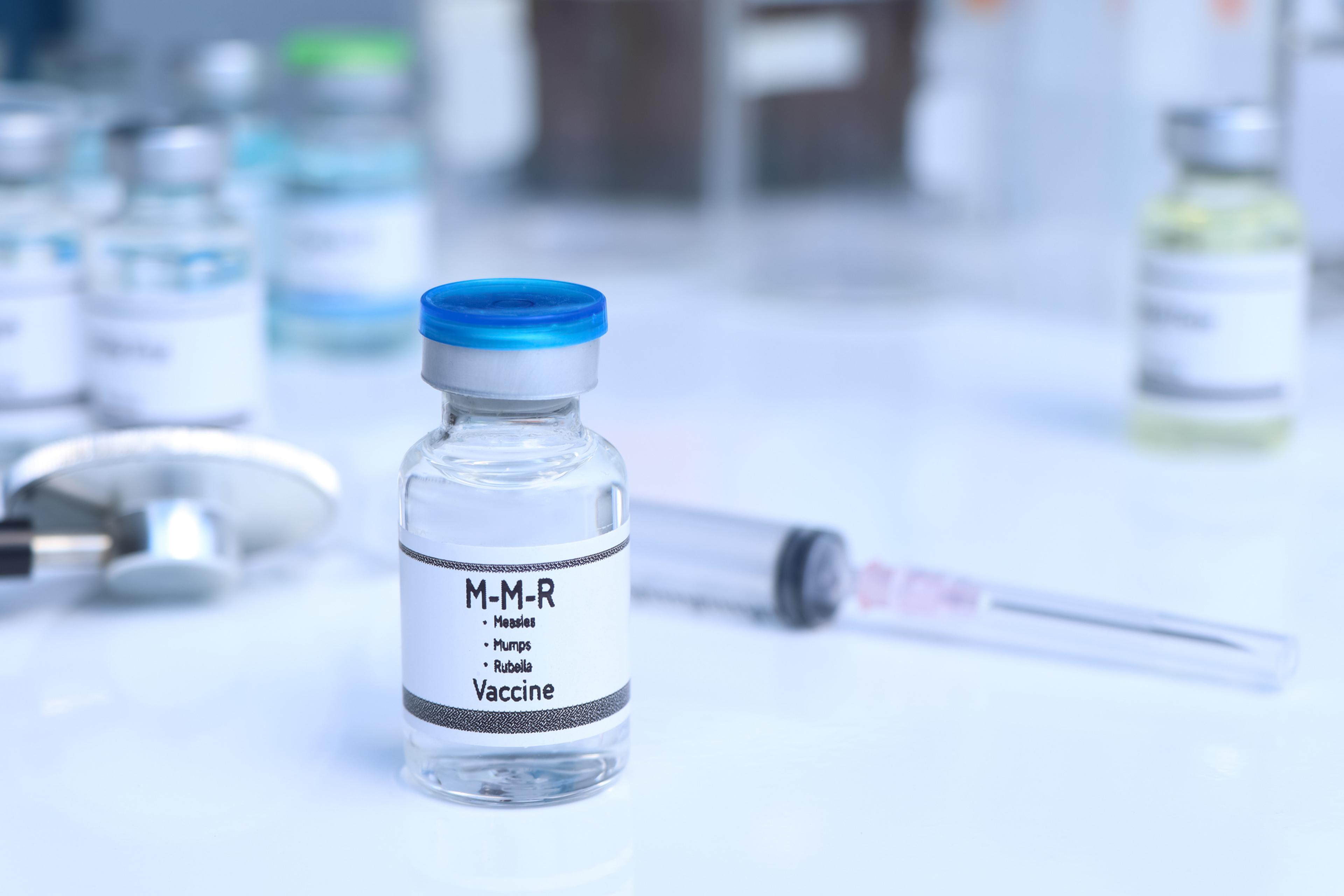
The most important step to preventing measles is the measles, mumps and rubella (MMR) vaccine. Two doses are more than 97% effective in preventing measles, according to the Michigan Department of Health and Human Services.
The safe and effective MMR vaccine is part of the vaccine schedule for children, and it provides protection against measles for life for most people. Adults who did not receive the MMR vaccine as children can also receive the vaccine.
The vaccination rate for kindergarteners in the U.S. has decreased in recent years, from 95.2% in 2019-2020 to 92.5% in 2024-2025, per the CDC. A 95% vaccination rate creates community immunity and protects most people.
The Michigan Department of Health and Human Services requires certain vaccinations, including MMR, for children before going to school to prevent the spread of communicable diseases. If you have questions about you or your child’s vaccine status, contact your PCP.
Image: Getty Images
Related: