RSV in Adults: What to Know About Symptoms, Treatment and More

Jake Newby
| 3 min read
Jake Newby is a brand journalist for Blue Cross Blue...
Key Takeaways
- RSV spreads in the fall and winter and usually peaks in December and January.
- RSV usually causes mild, cold-like symptoms. Most RSV infections go away on their own, but RSV can become severe with increasing age and in those with certain risk factors.
- RSV can also exacerbate symptoms of serious conditions such as asthma, COPD and heart failure.
- There is no specific treatment for RSV, but you can manage symptoms with over the counter medications and other approaches.
Respiratory Syncytial Virus (RVS) is a respiratory virus that is common in infants and young children, but adults can get it, too. Each year, an estimated 110,000–180,000 adults age 50 and older in the United States are hospitalized due to RSV, according to the Centers for Disease Control and Prevention (CDC).
RSV infects the nose, throat and lungs, according to the CDC. Symptoms of RSV in adults make it difficult to distinguish it from the common cold or other respiratory viruses, such as the flu or COVID-19.
RSV spreads in the fall and winter and usually peaks in December and January. Here’s what you need to know about contracting it as an adult, including symptoms to identify and typical duration of symptoms.
What are RSV symptoms in adults?
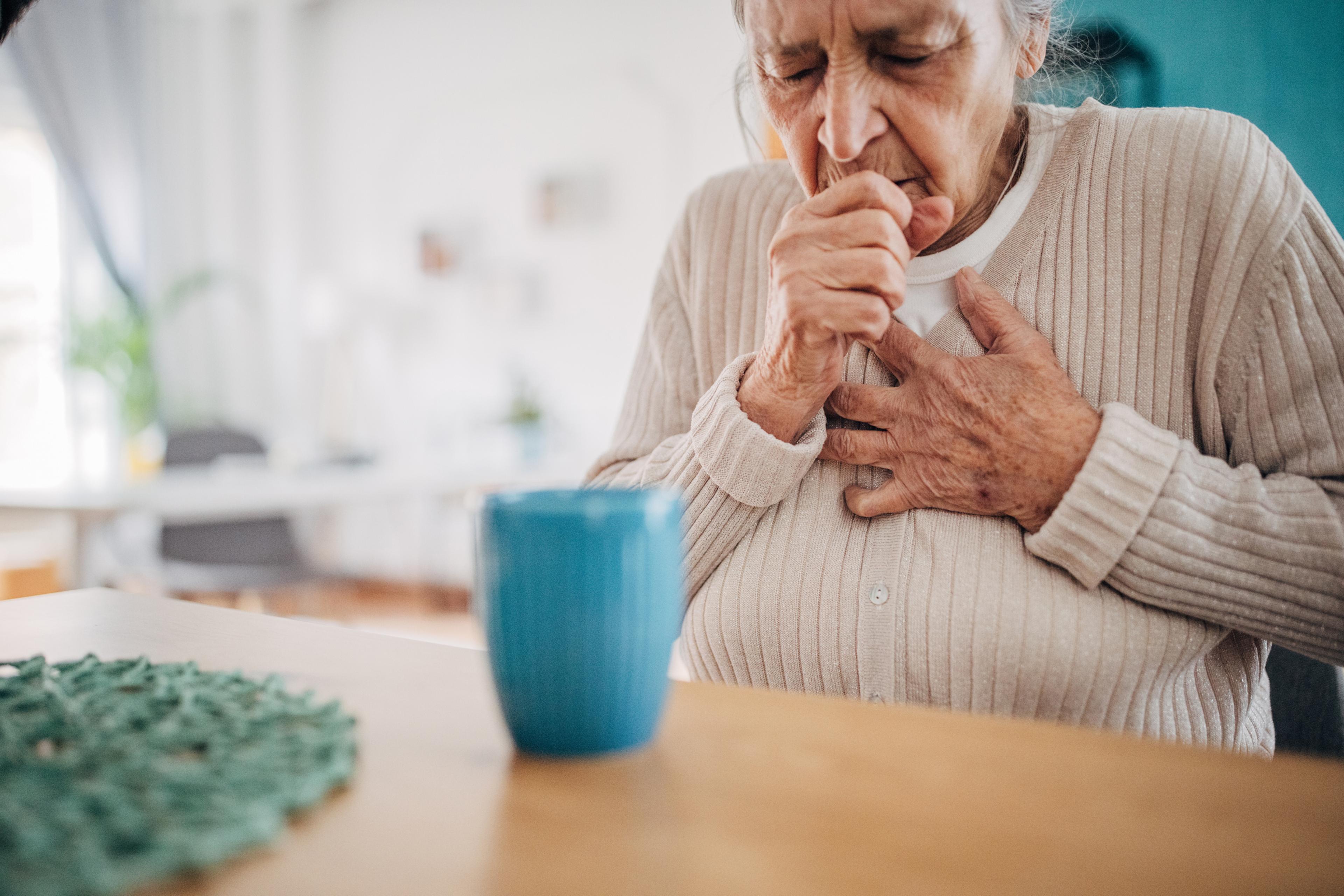
RSV usually causes mild, cold-like symptoms, per the CDC, which says most RSV infections go away on their own. RSV can become severe with increasing age and in those with certain risk factors. Adults who are at the highest risk for severe RSV include:
- Adults age 75 and older
- Adults with chronic heart or lung disease
- Adults with diabetes or kidney disease
- Adults with weakened immune systems
- Adults living in nursing homes
RSV can also exacerbate symptoms of serious conditions such as asthma, chronic obstructive pulmonary disease (COPD) and heart failure. Symptoms of RSV in adults usually appear four to six days after exposure and come in stages, rather than all at one time. They may include:
- Runny nose
- Coughing
- Sneezing
- Wheezing
- Sore throat
- Headache
- Mild fever
- Fatigue
- Decrease in appetite
How long does RSV last in adults?
RSV can last a week or two, according to the Cleveland Clinic. Adults with RSV may notice a lingering cough, after other symptoms have subsided. Severe cases of RSV may last longer. Severe RSV may lead to pneumonia and hospitalization in some cases and can even be fatal.
How to manage RSV symptoms
There is no specific treatment, but you can manage symptoms of RSV with over the counter (OTC) medications. The CDC recommends taking these steps to relieve RSV symptoms in adults:
- Managing the fever and pain with OTC fever reducers and pain relievers.
- Drinking enough fluids so you are not dehydrated.
- Getting the RSV vaccine if you are age 60 and older.
Call your primary care provider, who can advise whether the RSV vaccine should be given at the same time as other vaccines. Seek medical attention if you have difficulty breathing, are not drinking enough fluids or experience worsening symptoms.
Read more:
Photo credit: Getty Images