How to Remove a Tick

Jazmin Anderson
| 3 min read
Jazmin Anderson is a 2026 Corporate Communications i...
Key Takeaways
- To remove a tick, use fine‑tipped tweezers that have been disinfected with alcohol, grasp the tick as close to the skin as possible and pull upward with steady pressure.
- After removal, place the tick in a sealed container, wrap it in tape, flush it or submerge it in alcohol, then clean the bite site and your hands with soap and water or rubbing alcohol.
- Monitor the bite area for a rash, fever, muscle aches or headaches in the weeks after removal and contact a health‑care provider right away; early treatment can prevent serious complications from Lyme disease, anaplasmosis and other tick‑borne illnesses.
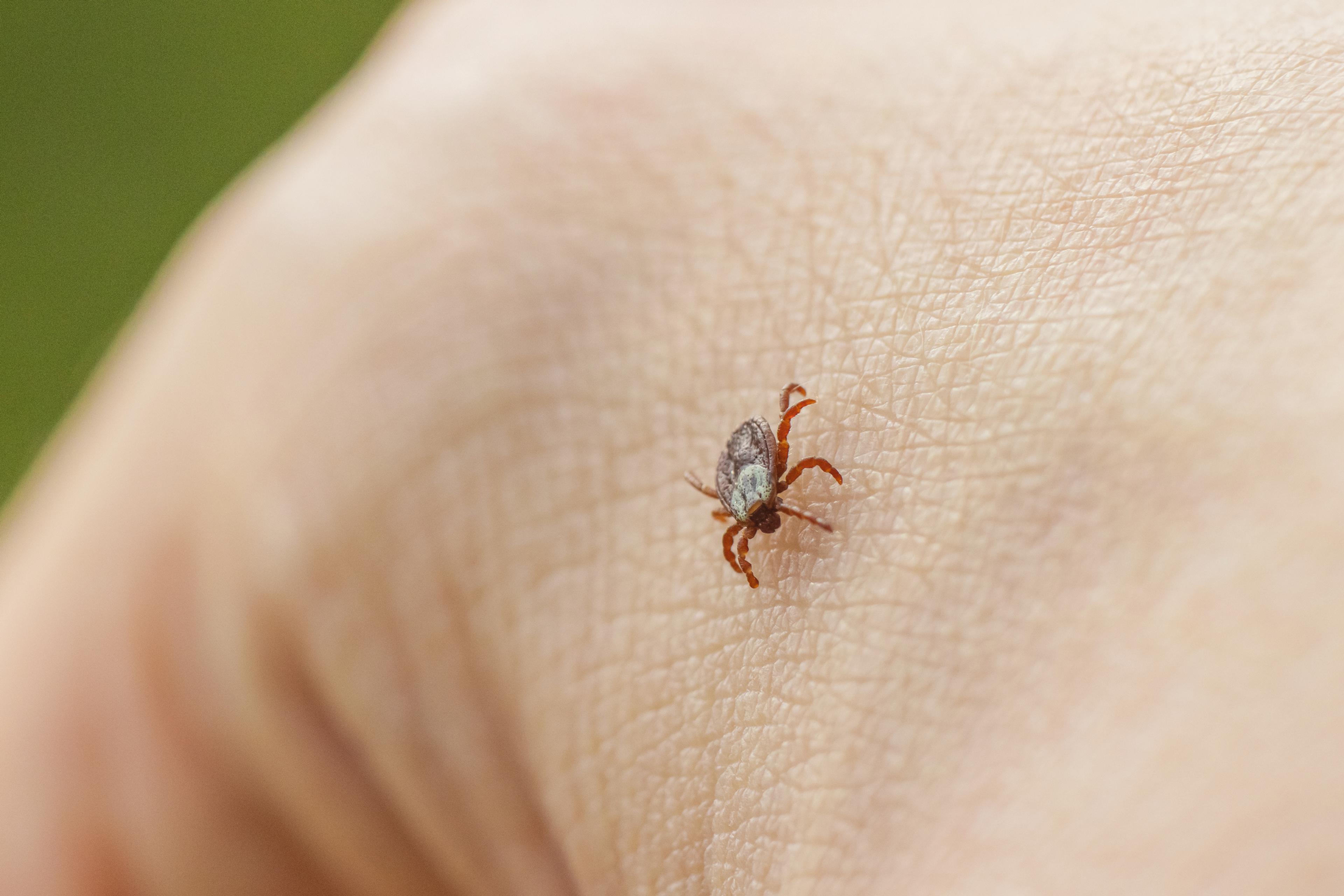
There are more than 20 tick species in Michigan, several of which bite people and pets. These pests may carry dangerous bacteria, viruses or parasites.
The most common tick-borne illness in the United States is Lyme disease. The bacteria that cause it are transmitted only by blacklegged ticks. Failing to treat this disease promptly can lead to serious health issues.
Due to the dangers of tick bites, it's crucial to check for these pests after spending time outside during the spring, summer and autumn. The longer a tick stays attached to the skin, the greater the chance it will spread disease to its host.
How to remove a tick
Here are steps to remove an embedded tick:
Select a method
There are various tools you can use to remove a tick, according to the U.S. Centers for Disease Control and Prevention (CDC). Fine-tipped tweezers are best for the job, but regular tweezers or your fingers also work. Clean the tools with alcohol before and after use.
Avoid using petroleum jelly, heat or nail polish to remove ticks. These methods might irritate the tick, prompting it to release infected fluid into your body.
Extract the tick
Grasp the tick close to the skin to avoid squeezing the tick's body, then pull it away from the skin with steady, even pressure. Do not jerk or twist the tick's body while extracting to avoid the mouthparts of the tick remaining in the skin, per the CDC. If the mouthparts get stuck in the skin, you can use tweezers to remove them or leave them alone for your skin to push them out naturally.
Dispose of the tick
After removal, you should dispose of the tick using one of these methods:
- Place it in a sealed container
- Wrap it tightly in tape
- Flush it down the toilet
- Put it in alcohol
Cleanse the area
Clean the bite area and your hands thoroughly to finish the removal process with soap and water, rubbing alcohol or hand sanitizer. After removing the tick, check the rest of your body for additional ones and remove them.
What to do in case of an infection
If you develop a rash or a fever in the weeks following a tick bite, contact your primary care provider right away. Tell them where and when the bite occurred. Muscle pain and headaches are also common signs of tick-borne illnesses. Early detection of these diseases is important for effectively treating them.
Lyme disease is treatable with antibiotics. Lyme disease usually starts with flu-like symptoms, but can spread to the joints, heart and nervous system, according to the Michigan Department of Health and Human Services (MDHHS).
Anaplasmosis is the second most common tick-borne disease in Michigan. According to MDHHS, the bacterium causing it infects white blood cells. In severe cases, anaplasmosis can cause difficulty breathing, kidney failure and neurological problems. Getting it treated promptly is crucial in reducing risks.
Preventing tick-borne illnesses
The best way to protect yourself from tick-borne illnesses is through prevention. When you are outside, take these steps to prevent tick bites:
- Wear long-sleeved shirts and pants.
- Use EPA-approved insect-repellants on your skin and clothing.
- Shower after coming inside.
- Check pets for ticks and use preventive measures for them.
Photo credit: Getty Images
Related: