

Jazmin Anderson
Jazmin Anderson is a 2026 Corporate Communications intern at Blue Cross Blue Shield of Michigan. She studies journalism and advertising at Central Michigan University.
Articles

The Importance of Community in Recovery
- One in six Americans lives with a substance‑use disorder, and strong community ties are a proven factor in sustaining recovery.
- Family and friends who offer non‑judgmental support, healthy activities and active listening can help reduce isolation and lower the risk of relapse, which affects 40% to 60% of people with SUD.
- Peer support groups provide a safe space for shared experiences, substance‑free activities and motivation, and can be located through SAMHSA’s national listings or state‑specific provider maps.
Why Do I Sweat So Much?
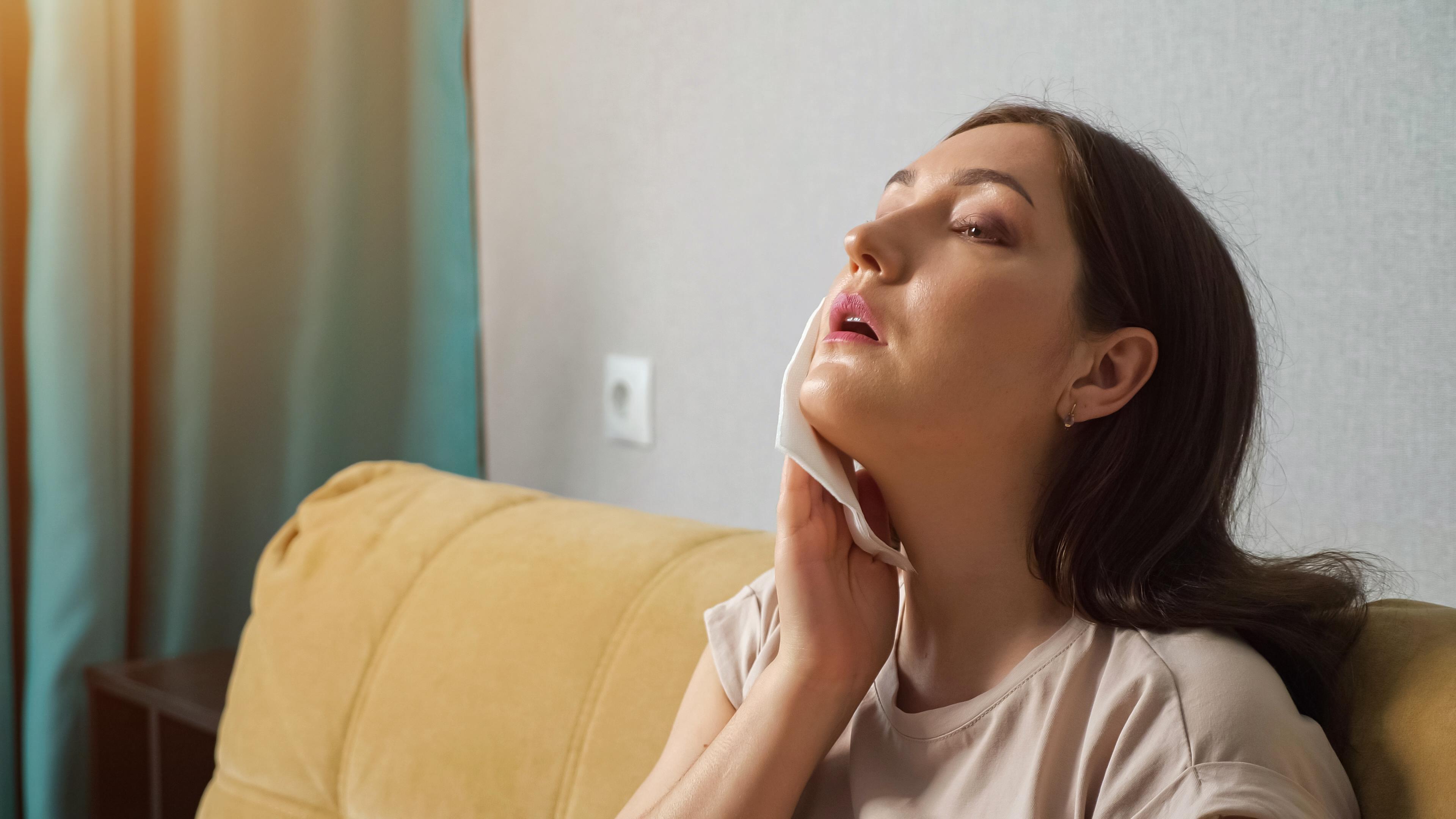
- Sweat is a normal response to heat, exercise and stress, but genetics and certain health conditions can increase how much you perspire.
- Persistent sweating in cool environments may signal hyperhidrosis, a condition that can be primary (nerve‑driven) or secondary (medication or illness related).
- Manage sweat by staying hydrated, wearing breathable fabrics, using antiperspirant and consulting a primary care provider if it disrupts daily life.

How to Get Rid of Bloating
- Practice mindful eating—chew thoroughly, eat slowly and avoid distractions—to reduce swallowed air and fermentation‑related gas.
- Limit foods that commonly cause bloating, such as carbonated drinks, dairy, beans, cruciferous vegetables and high‑FODMAP items, and consider a low‑FODMAP trial only under a doctor’s guidance.
- Add regular movement, balanced fiber and fluids, and, if needed, over‑the‑counter enzymes like alpha‑galactosidase to support digestion and see a primary care provider for any persistent or severe symptoms.
Forehead Acne: Causes, Treatment and Everything You Need to Know
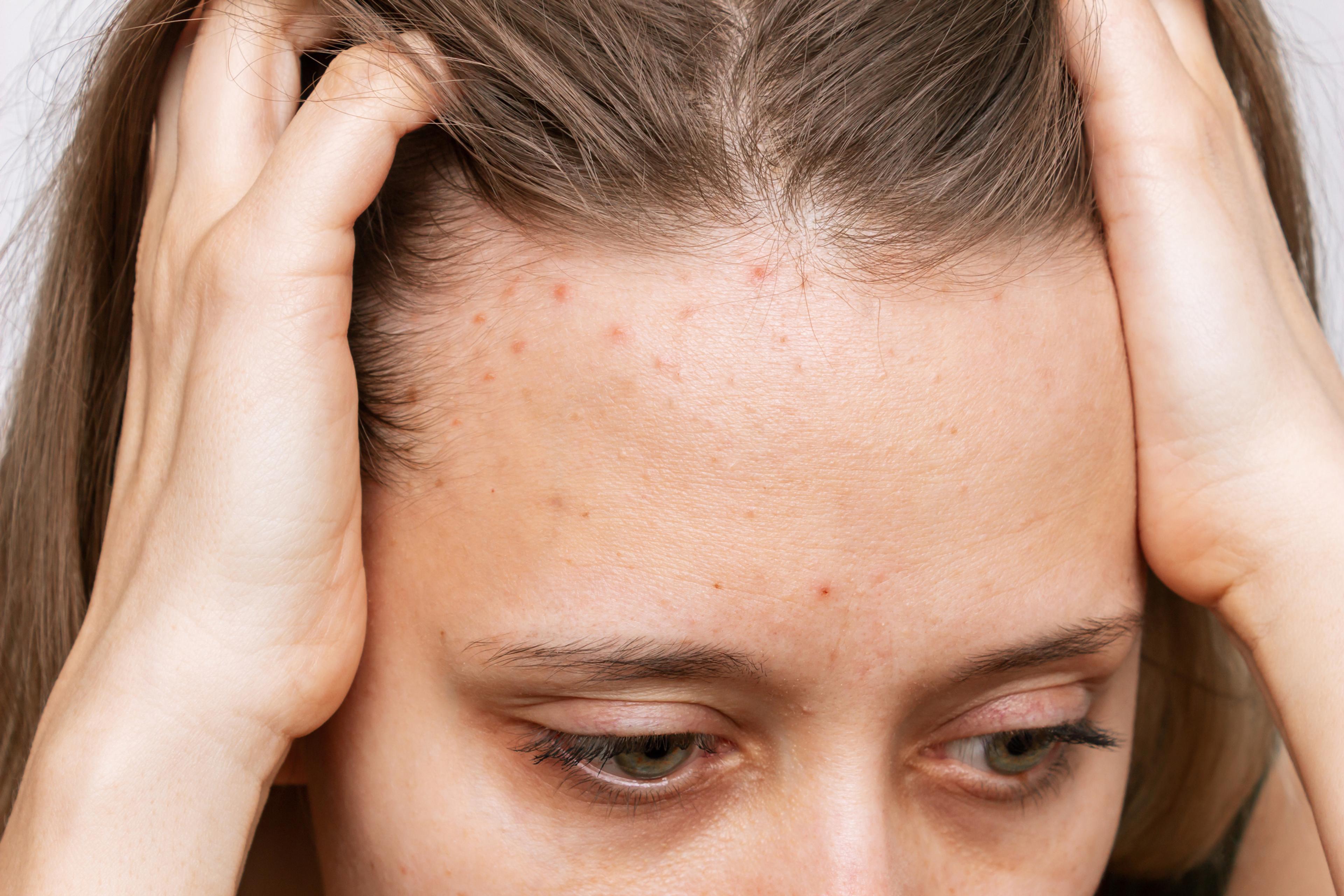
- Forehead acne is often caused by clogged pores and can be triggered by hormonal changes, side effects of medication or haircare products.
- Treatments for forehead acne include gentle cleansers, topical acne treatments with salicylic acid or benzoyl peroxide, and retinoids available over the counter or by prescription.
- In addition to treating forehead acne, supportive measures such as shampooing regularly, sticking to treatment, keeping hands off the face and avoiding the sun and tanning beds can help to prevent breakouts.

How Often Can You Donate Plasma?
- You can donate plasma up to twice in a seven‑day period, provided the donations are at least 48 hours apart and you return to the same center within six months for the second donation to be used.
- Eligibility requirements include being 18 or older, weighing at least 110 pounds, having no recent tattoos or piercings and passing all screening tests.
- To prepare, eat a protein‑ and iron‑rich meal, stay well‑hydrated, get a full night’s sleep and bring a government‑issued ID and proof of address to the donation site.
How to Get Rid of Sunburn Redness Overnight
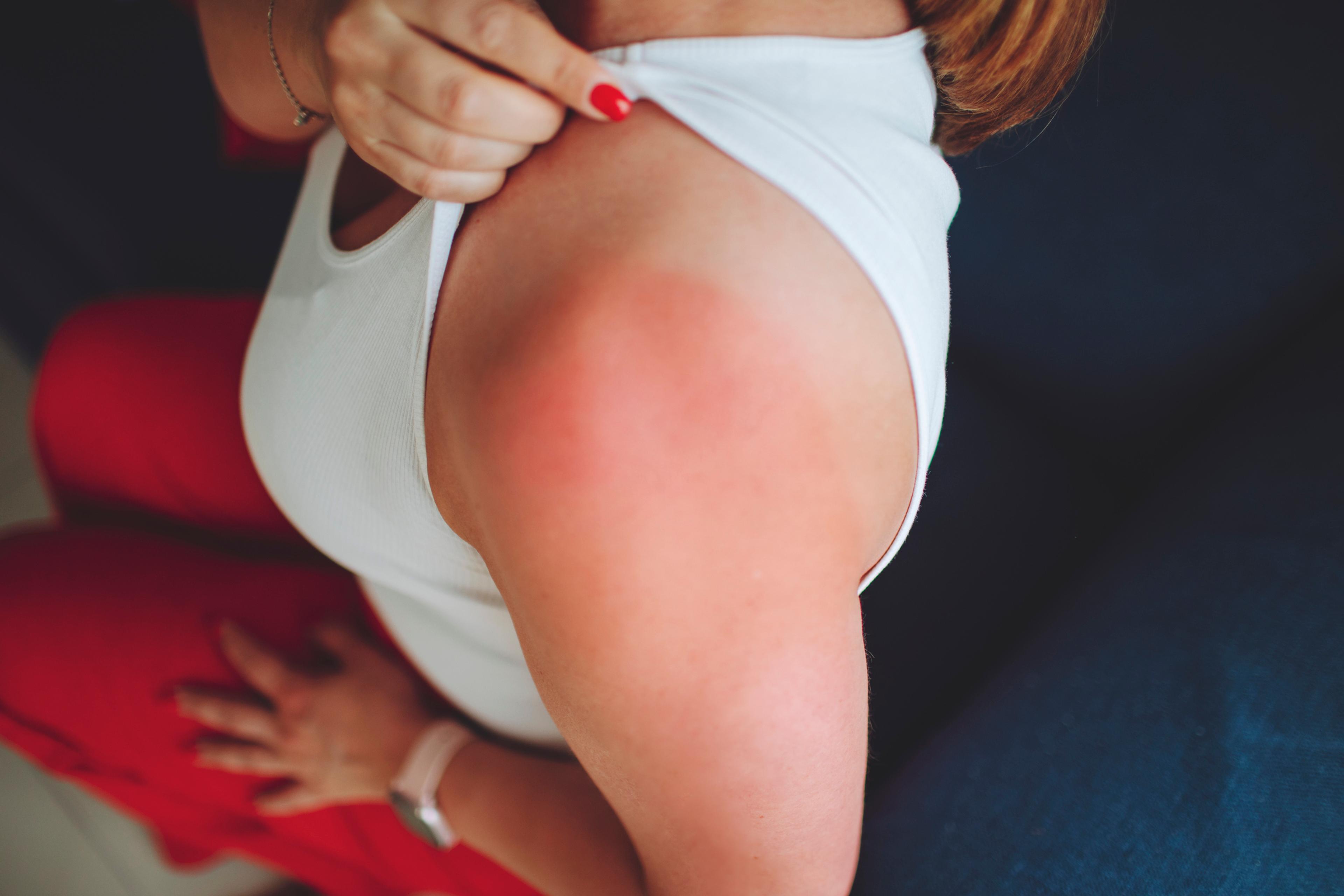
- Take an over-the-counter anti-inflammatory pain reliever if the sunburn is causing pain.
- Apply a cool, dampened towel to the burned area of your skin, and drink more water than you usually would for a day to avoid dehydration.
- Avoid doing anything to further irritate sunburned skin, such as picking on it, using harsh chemicals or spending time in the sun.
Does Stress Cause Hair Loss?
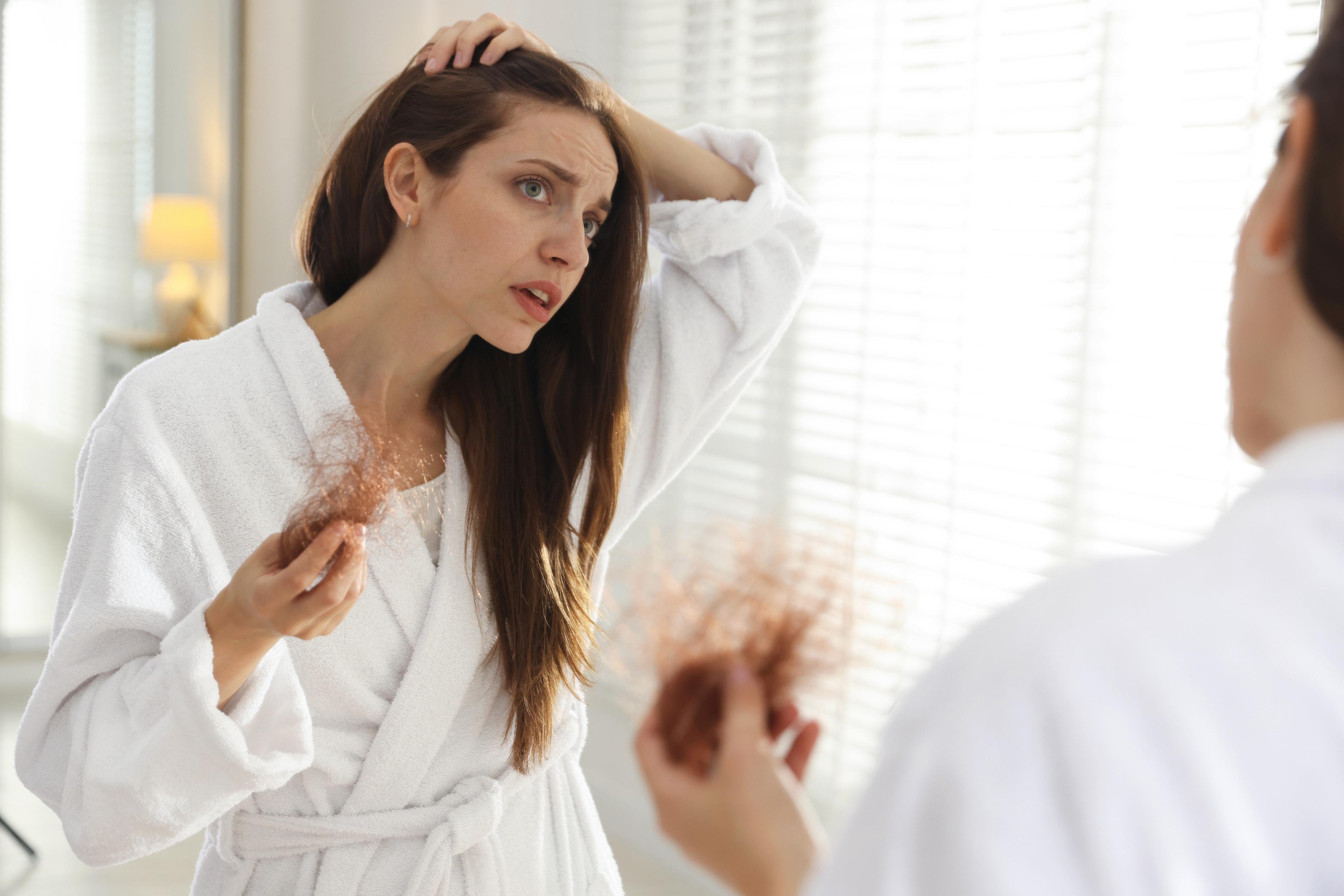
- Stress can trigger telogen effluvium, a temporary condition in which a large number of hair follicles enter the resting phase and shed, often months after a major physical or emotional stressor.
- Alopecia areata, an autoimmune disorder that causes sudden, patchy hair loss, has been linked to higher rates of anxiety and depression, suggesting stress may be a contributing factor.
- Managing stress through regular sleep, exercise, a balanced diet and mental‑health practices such as journaling or therapy can help prevent stress‑related hair loss, while most cases of telogen effluvium resolve on their own within about six months.
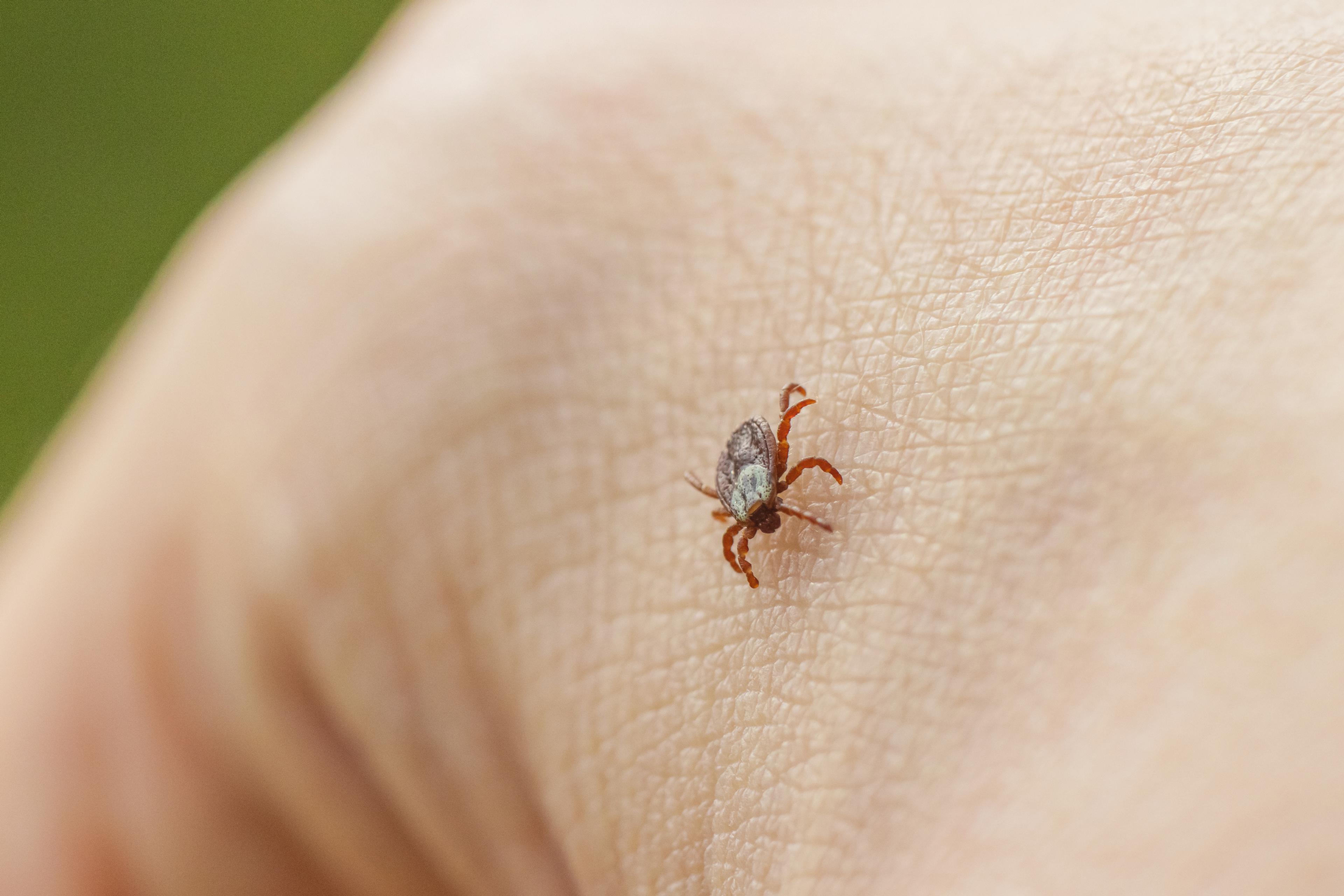
How to Remove a Tick
- To remove a tick, use fine‑tipped tweezers that have been disinfected with alcohol, grasp the tick as close to the skin as possible and pull upward with steady pressure.
- After removal, place the tick in a sealed container, wrap it in tape, flush it or submerge it in alcohol, then clean the bite site and your hands with soap and water or rubbing alcohol.
- Monitor the bite area for a rash, fever, muscle aches or headaches in the weeks after removal and contact a health‑care provider right away; early treatment can prevent serious complications from Lyme disease, anaplasmosis and other tick‑borne illnesses.