How to Get Rid of Acne Scars

Jazmin Anderson
| 3 min read
Jazmin Anderson is a 2026 Corporate Communications i...
Key Takeaways
- One in five people with acne develop scars, especially after deep cysts, nodules or picking.
- Early treatment of active breakouts and avoiding touching or picking at lesions can help prevent new scars, while sunscreen and topical azelaic or hydroxy acids may improve existing marks.
- Dermatologists tailor scar‑reduction options, such as chemical peels, fillers, laser therapy, microneedling, platelet‑rich plasma or surgery, based on scar type, severity and the patient’s budget.
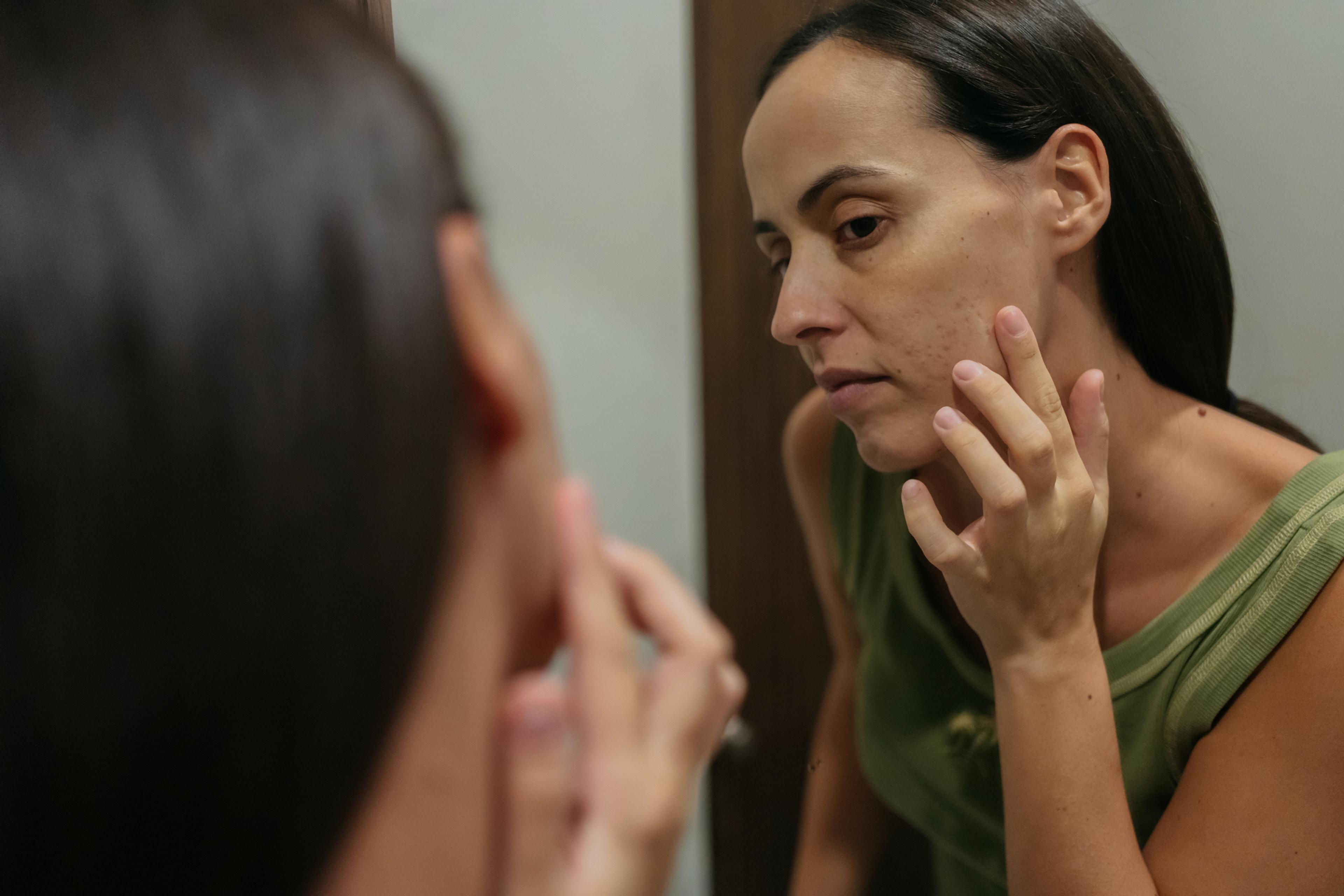
During the healing process after a breakout, you might notice scarring. Acne scars are common, according to the Cleveland Clinic; 1 in 5 individuals with acne develops them.
Here are some tips for preventing and treating your acne scars.
What causes acne scarring
Acne scars are more likely to form on your skin, according to the American Academy of Dermatology (AAD), when you:
- Had pimples that went deep into your skin like an acne cyst or nodule.
- Pick your face.
- Have family members prone to acne scars.
After your skin heals from acne, you may notice sunken or raised scars. The appearance of the scar you’ll develop depends on your skin's collagen production during the healing process. If your body makes too little collagen, you will end up with depressed scars. If your body produces too much collagen while healing, you’ll notice raised scars.
While the following factors can increase the risk of developing acne scars, it’s not possible to predict who will end up with them. Sometimes, people who don’t have an increased risk can still develop acne scars.
Possible treatments
While some at-home techniques, like using creams containing azelaic acid or hydroxyl acids and using sunscreen, can help improve the appearance of your scars, you’ll likely get the best results from an individualized treatment plan by a board-certified dermatologist, according to the AAD.
Your dermatologist will consider the type of acne scars you have, the number of them and what your budget is when deciding on the type of treatment you’ll have. If you have any active breakouts, your dermatologist will treat them first. Stopping acne can reduce inflammation and prevent new scars.
Here are some possible treatments you might receive if you have depressed or sunken scars:
- Chemical peel: It helps the body produce more collagen and elastin, improving the appearance of scars. It comes in different strengths from mild to strong.
- Fillers: This adds volume to depressed scars and can help with collagen and elastin production. Most fillers give temporary results, but some can be permanent.
- Laser treatment
- Medication applied to the skin: If your acne scarring is mild, a retinoid or salicylic acid can make scarring less noticeable.
- Microneedling: During this procedure, dermatologists use tiny needles to puncture the skin with acne scars to promote collagen and elastin production.
- Platelet-rich plasma: This procedure may be used to enhance the results of other treatments, such as microneedling.
- Microdermabrasion: This treatment helps gently exfoliate the skin. Dermatologists use it to even out skin tone, which can improve the results of other treatments.
- Radiofrequency: It helps your skin produce collagen and elastin, making acne scars less noticeable.
- Scar surgery
- Dermabrasion: This is a surgical procedure dermatologists use to deeply exfoliate the skin.
Treating raised acne scars may involve laser treatment, injecting corticosteroids or another medication or applying a prescription medication to the scar.
How to prevent acne scars
You may be able to prevent acne scars from forming if you take some of these measures:
- Treat acne when you first notice it: In the beginning stages, acne can be mild, which makes it easier to treat.
- Never pick at your acne: You can increase inflammation and, in turn, increase the risk of scarring.
- Avoid touching your acne: Touching it can worsen acne, increasing the likelihood of it leaving a mark.
Photo credit: Getty Images