Forehead Acne: Causes, Treatment and Everything You Need to Know

Jazmin Anderson
| 3 min read
Jazmin Anderson is a 2026 Corporate Communications i...
Key Takeaways
- Forehead acne is often caused by clogged pores and can be triggered by hormonal changes, side effects of medication or haircare products.
- Treatments for forehead acne include gentle cleansers, topical acne treatments with salicylic acid or benzoyl peroxide, and retinoids available over the counter or by prescription.
- In addition to treating forehead acne, supportive measures such as shampooing regularly, sticking to treatment, keeping hands off the face and avoiding the sun and tanning beds can help to prevent breakouts.
Breakouts can cause frustration and insecurity, especially if you don’t know what triggered it or how to get rid of it.
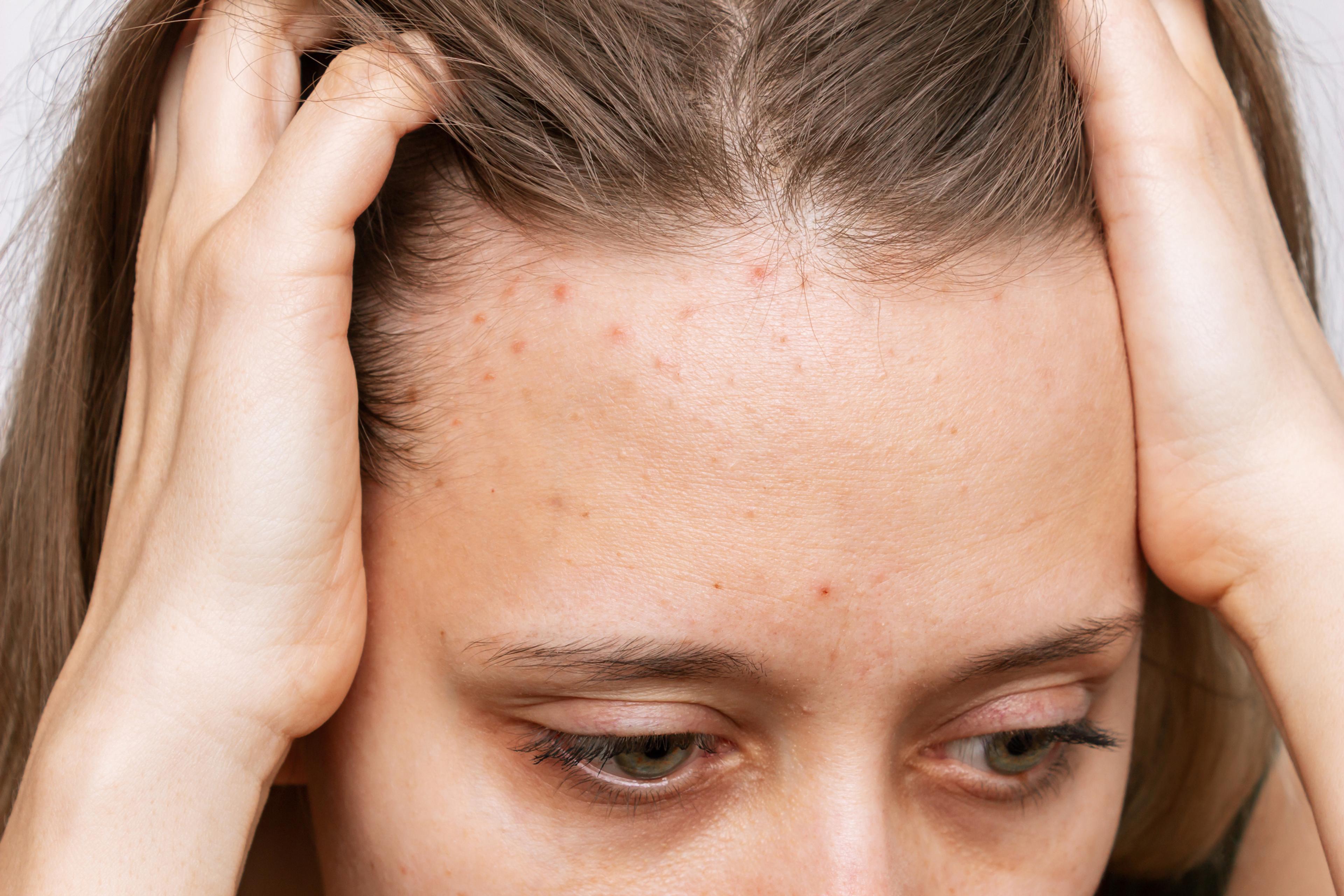
The location of your acne can hint at the cause, according to the Cleveland Clinic. If you are prone to breakouts on your forehead, here are some tips to deal with them.
Possible causes of forehead acne
Acne is formed by the blocking or clogging of pores by dead skin cells and sebum. During puberty, the skin’s oil production increases or fluctuates, which can cause acne breakouts. For adults, some common causes include side effects of medication, such as birth control or hormonal changes during menstruation, menopause or pregnancy.
The forehead is part of the T-zone, an area more prone to whiteheads and blackheads due to the larger pores and sebaceous glands there, according to the Cleveland Clinic. This type of acne is called comedonal acne.
Forehead acne could also be caused by your haircare products, as the oils in them can clog your pores when they get on your skin. In this case, you may notice whiteheads and tiny flesh-colored bumps called “papules.” A telltale sign is if you find them in other areas, such as the back of your neck.
Treatments for forehead acne
To start, use a gentle cleanser to wash your face twice a day. This helps remove oil and makeup that can clog pores. For topical acne treatments, look for ones with salicylic acid or benzoyl peroxide. Salicylic acid helps to clear clogged pores, while benzoyl peroxide reduces acne causing bacteria. Retinoids are available over the counter or by prescription and help with skin cell turnover and prevention of acne.
For less aggressive cleansers, look for ones with salicylic acid and benzoyl peroxide, which help draw out oil from the skin and kill bacteria. Be sure to consult your primary care provider (PCP) before trying any harsh treatments.
Supportive measures for forehead acne
If you’re treating your acne but still seeing breakouts, your habits might be the culprit. To get the best results from your acne treatment, the American Academy of Dermatology Association (AAD) recommends these tips:
- Shampoo regularly: If you have oily hair, shampoo more often and keep your hair away from your face.
- Stick to your treatment: Give your treatment time to work. Trying new acne treatments too often can irritate your skin and cause breakouts. It may take several weeks to a few months before you see a difference.
- Keep your hands off: Touching your face throughout the day can cause acne to flare. If you pick at your acne, it will take longer to clear and increase your risk of scarring and dark spots.
- Stay out of the sun and tanning beds: Tanning damages your skin and can worsen acne. Certain acne medications can also increase your skin’s sensitivity to ultraviolet rays from the sun and tanning beds.
- Apply sunscreen daily: Use a liberal amount and reapply every two hours or immediately after swimming or sweating.
While diet alone won’t cause acne, changing your diet can help to keep some acne symptoms in check. Some recommended foods to avoid include those with excessive sugar and excessive dairy. Foods to add to or increase in your diet include leafy greens, fruits and vegetables rich in vitamin C and beta-carotene.
Photo credit: Getty Images