Have You Heard of VO2 Max? Here’s Why It Matters for Healthy Aging

Jake Newby
| 4 min read
Jake Newby is a brand journalist for Blue Cross Blue...
Key Takeaways
- VO₂ max, the gold‑standard measure of cardiorespiratory fitness, declines with age but can be preserved through regular aerobic activity, helping older adults maintain mobility, independence and a lower risk of heart disease, diabetes, cancer and stroke.
- A VO₂ max in the mid‑30s for women and upper‑30s to 40 for men in their 50s, above 30 for women and 35 for men in their 60s, and upper‑20s for women and 30s for men in their 70s is considered a reasonable target, though personal improvement matters more than hitting a specific number.
- Combining moderate‑intensity walking or cycling with weekly high‑intensity intervals and strength training can boost VO₂ max by 15% to 30% within months, and a supervised lab test remains the most accurate way to assess progress.
If you want to know how well your body is equipped to handle the demands of daily life as you age, VO2 max can be a helpful tool. This measure of cardiorespiratory fitness reflects how efficiently your body can take in, transport and use oxygen during exercise.
Higher VO2 levels are associated with better health, longevity and physical function, and building and maintaining aerobic capacity can help preserve strength, mobility, independence and the ability to enjoy everyday life for years to come.
Here’s what you need to know about VO2 and what an optimal score is based on your age.
What is VO2 max?
VO2 max stands for maximal oxygen consumption. It measures the maximum amount of oxygen the body can use during intense exercise, typically expressed in milliliters of oxygen per kilogram of body weight per minute.
Oxygen is delivered from the lungs through the blood to working muscles, where it helps produce energy. A higher VO2 max generally means the heart and lungs can deliver oxygen more effectively and muscles can use it more efficiently, according to Harvard Health, which describes it as a good indicator of a high fitness level.
VO2 max naturally declines with age, but regular physical activity can slow that decline. Improving cardiorespiratory fitness can help preserve the ability to perform everyday activities – such as walking upstairs and carrying groceries – as you age.
How VO2 max supports healthy aging
Higher cardiorespiratory fitness is associated with lower mortality and better functional capacity. It contributes to a longer healthspan, which is the number of years a person can live in good health and maintain independence. Higher VO2 max is also associated with lower risks of several chronic conditions, including:
- Heart disease
- Diabetes
- Cancer
- Stroke
It may be beneficial for the aging brain, too. A small study of 41 healthy adults aged 60 to 72 found that greater VO2 max was associated with greater integrity of the locus coeruleus-noradrenergic system. The locus coeruleus-noradrenergic system is a small part of the brain that helps you stay awake, focused and alert. It sends out a brain chemical called norepinephrine, which helps with attention, memory and clear thinking. When this system is healthier, it may help the brain work better as people get older.
What is a good VO2 max by age?
There is no single optimal VO2 max for everyone. Age and sex affect expected scores, and testing methods can produce different results. AARP recommends these general targets for older adults:
| Age | VO2 for Women | VO2 for Men |
| 50s | Mid-30s | Upper 30s to 40 |
| 60s | More than 30 | More than 35 |
| 70s | Upper 20s | 30s |
AARP notes that improving your own VO2 score and maintaining the ability to move comfortably may be more meaningful than chasing a particular number.
How can I have my VO2 measured?
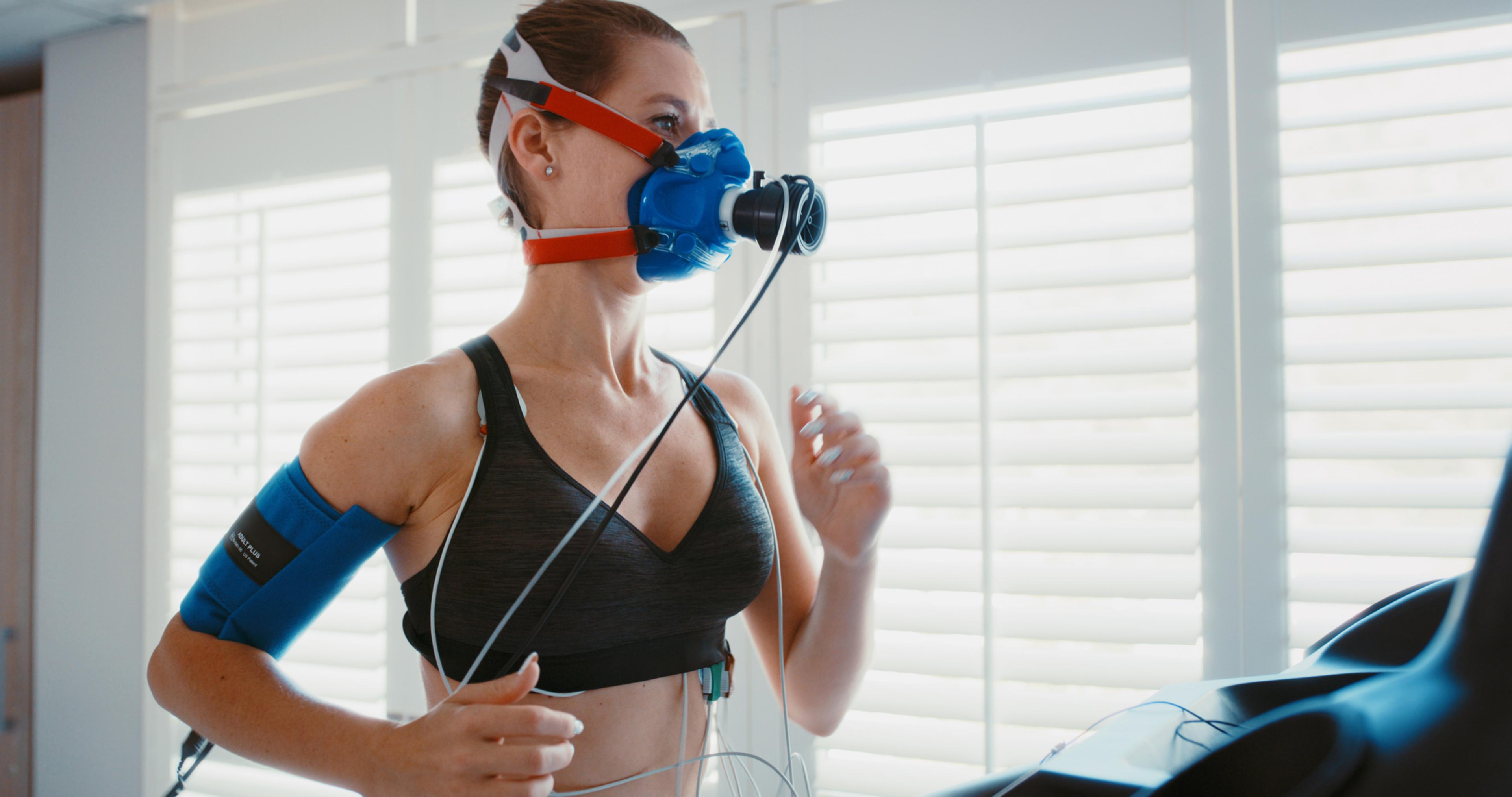
The most accurate way to measure VO2 max is through a supervised test at an exercise medicine or sports performance lab. During the test, you’ll exercise on a treadmill or stationary bike while wearing a specialized mask that measures oxygen intake and carbon dioxide output. Fitness watches can also estimate VO2 max, but these readings are less precise and are best used to track changes over time.
How to raise your VO2 max
To give your VO2 max a bump, Harvard Health recommends regular aerobic exercise, incorporating intervals and changing your routine periodically to challenge your cardiovascular system. Walking can be enough to improve VO2 max for someone who doesn’t exercise often.
For older adults, combining moderate aerobic activity with brief periods of higher-intensity exercise and strength training is recommended. A weekly routine could include:
- Brisk walking or cycling two to three days per week
- A longer recreational activity such as hiking or pickleball once a week
- One or two higher-intensity interval sessions per week
- Strength training twice a week
Low-impact options such as cycling, swimming, rowing or incline walking can provide an alternative to running, which can be tough on the joints. AARP reports that adults in their 60s and 70s can potentially improve VO2 max by 15% to 30% within months through targeted training.
Start slowly if you are beginning a new exercise program, especially if you have existing health concerns or who have been inactive. It’s a good idea to discuss your upcoming exercise journey with your primary care provider so they can help make the process safer and more sustainable.
Photo credit: Getty Images