Can a Tick Bite Really Make You Allergic to Red Meat? What to Know About Alpha-Gal Syndrome

Jake Newby
| 4 min read
Jake Newby is a brand journalist for Blue Cross Blue...
Key Takeaways
- Alpha-gal syndrome (AGS) is a potentially serious a food allergy that can develop after a person is bitten by certain species of ticks.
- In some people, it can cause an allergic reaction after eating red meat such as beef, pork, lamb, venison or possibly dairy.
- Reactions to alpha-gal syndrome typically occur two to six hours after eating red meat.
- The best way to prevent AGS is to avoid tick bites altogether, by wearing long-sleeved shirts and pants outdoors, using FDA-approved insect repellants and performing regular tick checks.
As tick populations continue to grow across Michigan, health experts are reminding residents that Lyme disease isn't the only concern stemming from tick bites.
Michigan has seen a sharp increase in tick-borne illnesses in recent years, particularly Lyme disease, as blacklegged deer tick populations expand across the state. While Lyme disease remains the most common tick-borne illness in Michigan, another lesser-known condition called alpha-gal syndrome is drawing nationwide attention. Alpha-gal syndrome (AGS) is a potentially serious allergy to red meat that can develop after a tick bite.
Awareness remains one of the most effective tools in preventing tick bites and the various side effects they present. Knowing what to look for can help you enjoy the outdoors while reducing your risk of tick-borne illnesses, including ones that could dictate what you can and can’t eat at your next cookout.
What is alpha-gal syndrome?
AGS is a food allergy that can develop after a person is bitten by certain species of ticks. The condition occurs when a tick introduces a sugar molecule called alpha-gal into the body, according to the United States Centers for Disease Control and Prevention (CDC). That molecule is found in mammals such as cows, pigs and deer, but not in humans.
In some people, the immune system begins treating alpha-gal as a threat, which can cause them to experience an allergic reaction after eating red meat such as beef, pork, lamb, venison or possibly dairy. Some people may also react to other foods that come from mammals, like dairy products or gelatin, according to the Mayo Clinic.
What are symptoms of alpha-gal syndrome?
Unlike many food allergies that trigger symptoms immediately, reactions to alpha-gal syndrome typically occur two to six hours after eating red meat, per the CDC, making the condition difficult to diagnose. Symptoms can include:
- Hives or itchy skin
- Nausea, vomiting or diarrhea
- Stomach pain
- Swelling of the lips, tongue or throat
- Shortness of breath
- Severe allergic reactions, including anaphylaxis
How common is alpha-gal syndrome?
Researchers are still working to determine exactly how widespread the condition is.
The CDC estimates that more than 110,000 suspected cases were identified in the U.S. between 2010 and 2022 and as many as 450,000 Americans may be affected by AGS. However, it is not a nationally reportable disease and can be difficult to diagnose, so health experts say more data and research are needed to understand precisely how many people are affected by this condition.
Where does alpha-gal syndrome occur?
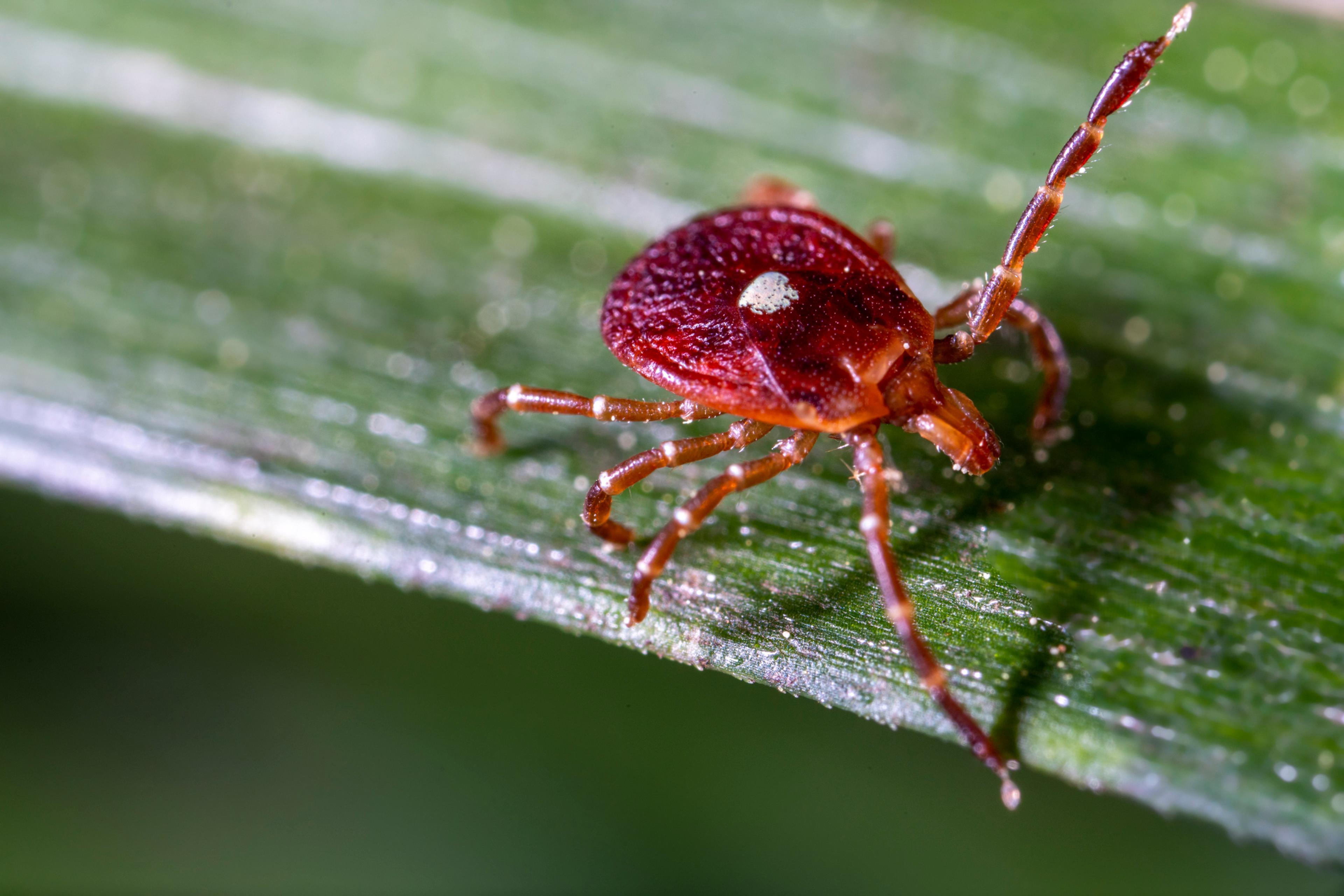
In the U.S., AGS is most commonly linked to bites from the lone star tick, but bites from blacklegged deer ticks and other species can also cause it, according to the Cleveland Clinic. Historically, most cases have been reported in Southern, Eastern and Central U.S. states where lone star ticks are most prevalent.
But the recent spread of lone star ticks into parts of the Midwest has raised concerns that more residents could be exposed in the future. While Michigan is still better known for blacklegged ticks that spread Lyme disease, changing tick populations have prompted increased awareness of AGS among outdoor enthusiasts, hunters and hikers.
Is there any way to avoid alpha-gal syndrome?
The best way to prevent AGS is to avoid tick bites altogether. When spending time outdoors, be sure to:
- Wear long-sleeved shirts and pants.
- Use Environmental Protection Agency-approved insect repellants on your skin and clothing.
- Perform regular tick checks.
- Shower after coming inside.
- Check pets for ticks and use preventive measures for them.
What should you do after a tick bite?
If you do find a tick attached to your skin, remove it with tweezers as soon as possible. Dispose of the tick in the toilet or in a plastic bag.
If you are bitten by a tick, monitor yourself for symptoms over the following days and weeks. If you develop a rash, fever, flu-like symptoms or unusual reactions after eating red meat or dairy, contact your primary care provider, who may order a blood test to determine whether you have Lyme or another tick-born disease. When caught early, most diseases can be treated successfully with antibiotics.
Keep reading:
Photo credit: Getty Images