Community Paramedicine Brings Personalized Care to Upper Peninsula Residents, Reduces Hospital Readmissions in Munising

Jake Newby
| 5 min read
Jake Newby is a brand journalist for Blue Cross Blue...
Key Takeaways
- Munising Memorial Hospital’s community paramedic helps older adults safely transition home, reducing preventable setbacks, emergency room visits and hospital readmissions.
- Rural healthcare barriers in Alger County make in-home support especially valuable, connecting patients with medical care and essential community services.
- Beyond clinical care, community paramedicine addresses nutrition, transportation, meal access and daily living challenges that influence long-term health outcomes.
- Grant funding from the BCBSM Foundation and partners helps sustain a care model improving access, patient satisfaction and healthcare affordability.
Accessing healthcare can be challenging anywhere – but in rural communities like the Upper Peninsula’s Alger County – those challenges are often amplified.
This is true in Munising, where winters are harsh, transportation isn't always readily available and healthcare providers may be miles away. Some older adults in this area face significant obstacles when seeking medical care. Munising Memorial Hospital developed a solution to some of these issues when it brought a community paramedic aboard, to ensure seniors receive the support they need to reduce expensive and unnecessary emergency room (ER) visits and hospital stays.
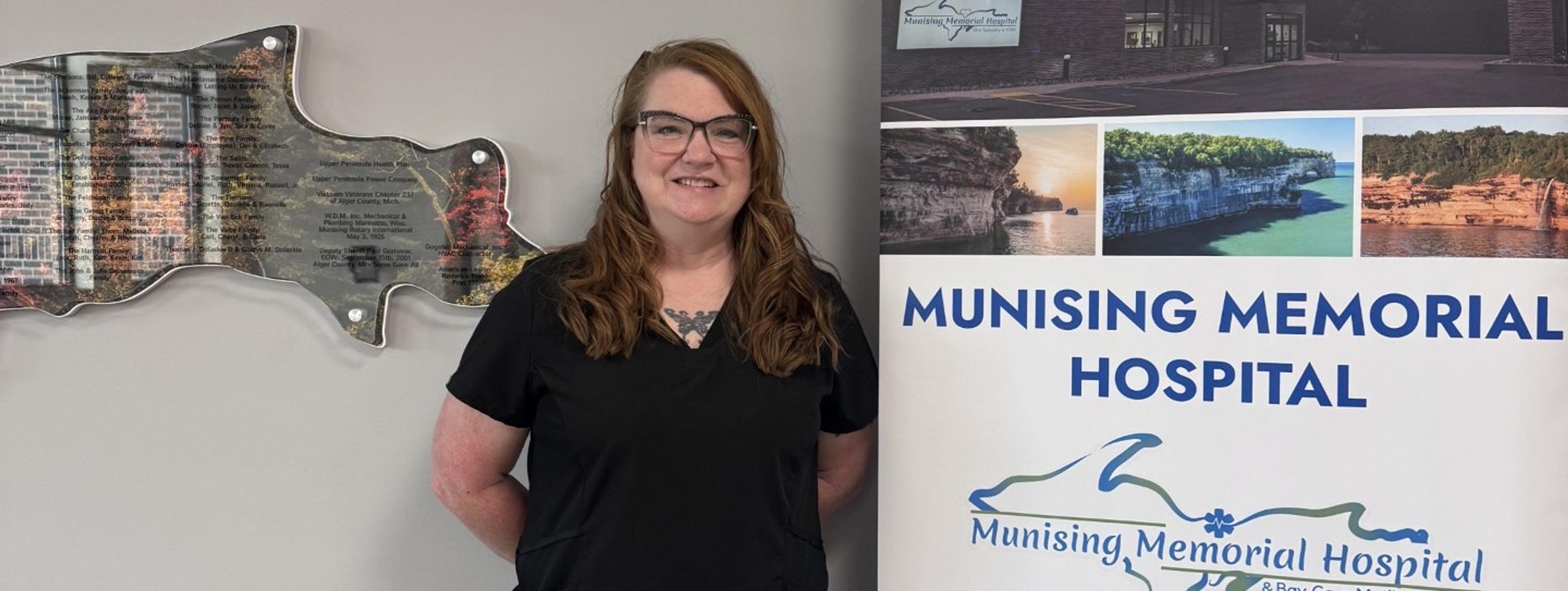
“We thought a community paramedic would be best for what we needed,” said Munising Memorial Hospital Chief Nursing Officer Christi Salo. “When our patients leave the hospital, we keep them here for three or four days as an inpatient … but when they go home – even when we set up home health for them – we only have one home health agency in Alger Country, so it might be two weeks before they see a home health nurse.”
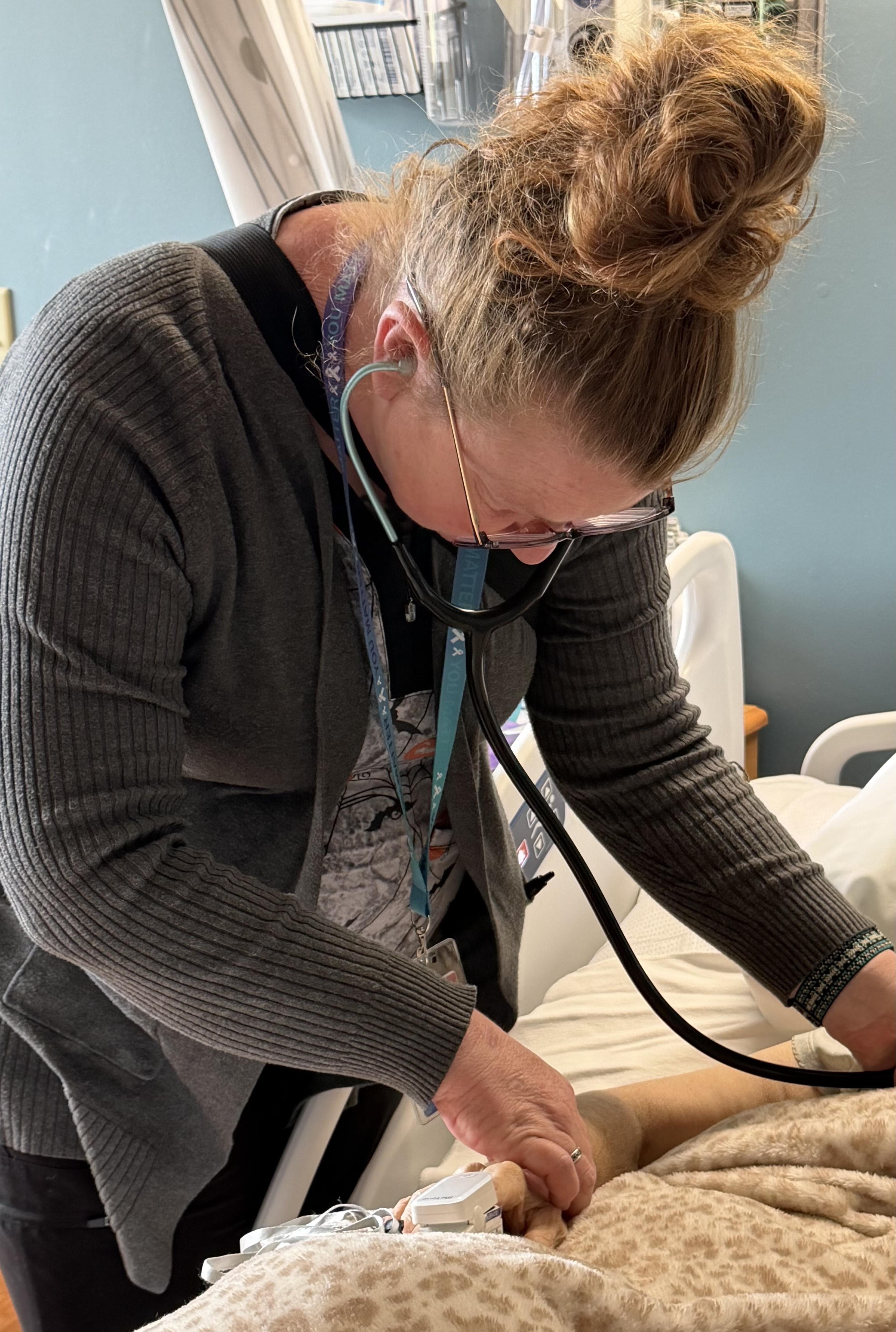
The community paramedic is there to bridge that two-week gap for Munising Memorial Hospital patients who need in-home care. Last fall, The Blue Cross Blue Shield of Michigan Foundation, Superior Health Foundation and Michigan Health Endowment Fund helped Munising Memorial Hospital fund this vital position with a $50,000 grant. Community paramedicine isn’t typically a billable service under health insurance plans, so funds from this grant helped the hospital cover the cost of this care, so residents don’t have to.
“We wanted somebody that could go into the home and conduct their safety assessment,” Salo said. “And check on them to make sure they are transitioning from their hospital care to home care, and not in danger of suffering from a setback of some sort, which we could manage before it becomes a full relapse and requires a readmission.”
How the value of community paramedicine extends beyond standard medical care
In the United States, an estimated 40% of ER visits involve patients who could be treated effectively in nonurgent care settings, according to the Centers for Disease Control and Prevention (CDC). Community paramedics like the one with Munising Memorial Hospital fills gaps in primary and preventive care services by coordinating care and addressing social drivers of health.
Community paramedics hold a higher clinical licensure than community health workers (CHWs), so their medical training is more extensive. But they can still provide a comprehensive approach to healthcare that extends beyond medical care. They can take a holistic approach to recovery by connecting people with services that help address everyday needs, from meal support and transportation to assistance with household chores and other activities that can become difficult after a surgery, illness or medical treatment. In Munising Memorial Hospital’s case, it’s a program that supports healthy aging, too.
Salo recalls one patient who was struggling around the home and was readmitted multiple times prior to the aid of community paramedicine.
“We set her up with our paramedic, who, from the home, helped us facilitate other services,” Salo said. “The Commission on Aging Health and other community services. Home-based meals. Just some different things that took a lot of work on the community paramedic side. Even simple things like, she needed help with her laundry. She could have hurt herself doing laundry at a certain point. But she’s doing so much better in the home now. So, we did some unique things with that patient.”
Additionally, the paramedic focuses on chronic disease management for certain populations, which can revolve heavily around nutrition guidance.
“Congestive heart failure patients, for example, we really focus on their diet and making sure they’re not eating too much salt,” Salo said. “There is a nutritional education piece that extends to basically every patient we serve. We’ll make sure they’re eating enough protein because it speeds up the healing process after a surgery. Things like that.”
Since July 1, Salo said Munising Memorial Hospital’s community paramedic has seen 15 patients. While the hospital is yet to conduct formal surveys, she’s seen and anecdotally heard positive reviews regarding the new service.
“What we keep hearing is, they don’t want to go back to home health; they’d like to keep working with the paramedic,” she said. “They miss her when she’s gone. They really appreciate the service.”
“We knew Munising Memorial Hospital was trying to find a way to support individuals discharged from the hospital as they transitioned back to their home,” said Blue Cross Blue Shield of Michigan Foundation Senior Program Officer, Dr. Melissa Boguslawski. “The level of personalized, post-acute care their community paramedic has provided to patients over the last handful of months has proven to be a successful solution. It’s an endeavor the Foundation is proud to support as we continue to help Michigan healthcare facilities that are dedicated to increasing access and reducing healthcare costs in their communities.”
Click here to learn more about the BCBSM Foundation Community Health Matching grants, including eligibility and requirements. And read more Foundation success stories at the links below:
- BCBSM Foundation Grant Helps MiSide Launch Youth Support Program in Detroit That Pairs Therapy with Structured Social Support
- Breathing Retraining Practices Help Older Adults in Metro Detroit Better Manage Asthma Symptoms
- Trinity Health Aims to Improve Liver Cancer Screening Rates Through Physician, Patient Education Intervention