What are the Different Kinds of Migraines?
Lindsay Knake
| 3 min read
Lindsay Knake is a brand journalist and project plan...
Key Takeaways
- More than 40 million Americans—most of them women—live with migraines, which can appear as migraine without aura, migraine with aura, chronic migraine, hormonal/menstrual migraine, pediatric migraine, status migrainosus or vestibular migraine.
- About one‑fifth of sufferers experience an aura that may cause visual spots, tingling or speech difficulty, while chronic migraine is defined as 15 or more attacks per month for at least three months.
- Early treatment with medication, a cold compress and a dark, quiet room, combined with regular sleep, a balanced diet, hydration and stress‑management techniques, can help lessen migraine frequency and severity.
More than 40 million Americans, primarily women, deal with migraines, making them one of the most common health conditions. But there are different types of migraines. Here is a look at some of the more common types of these headaches.
What are the different kinds of migraines?
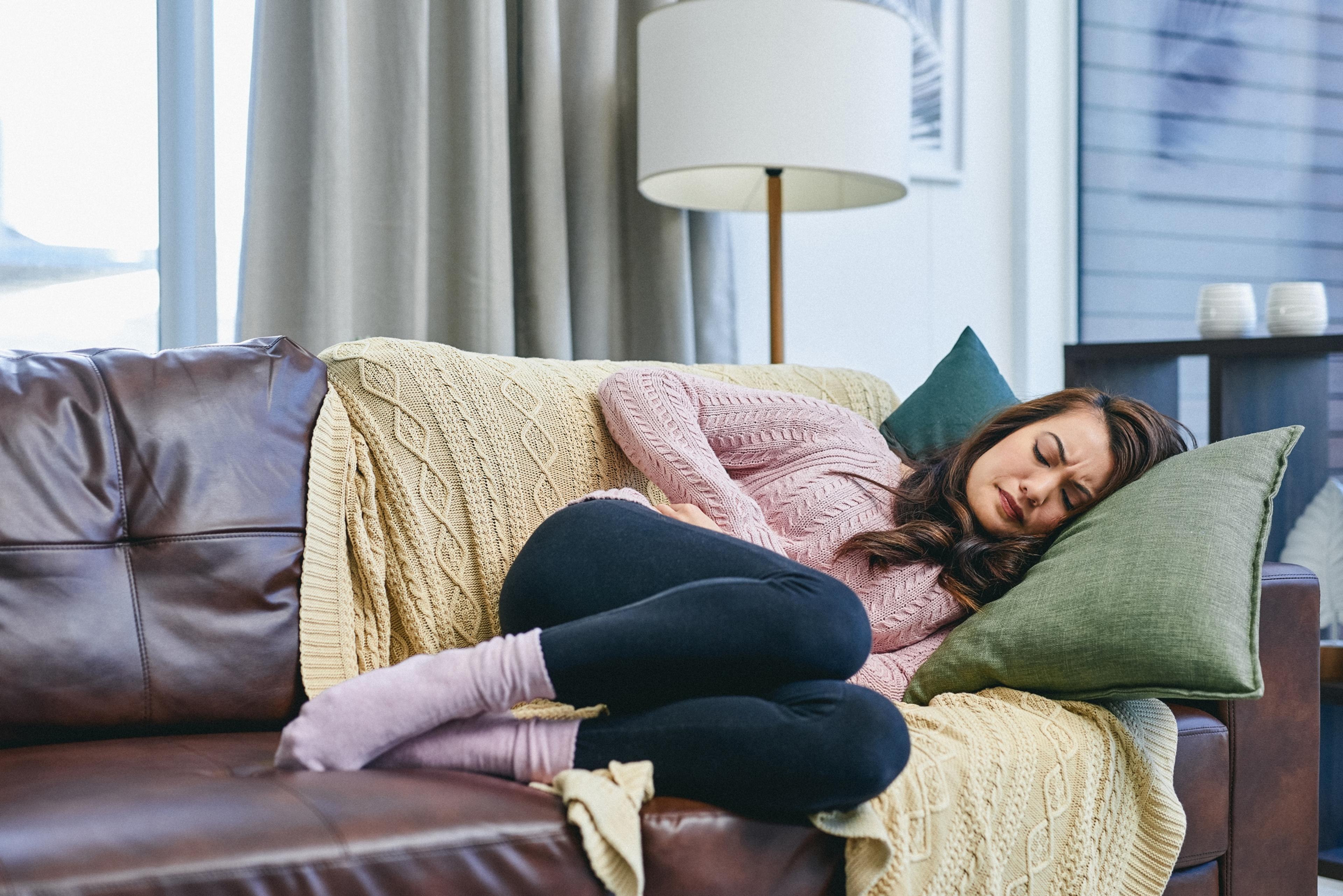
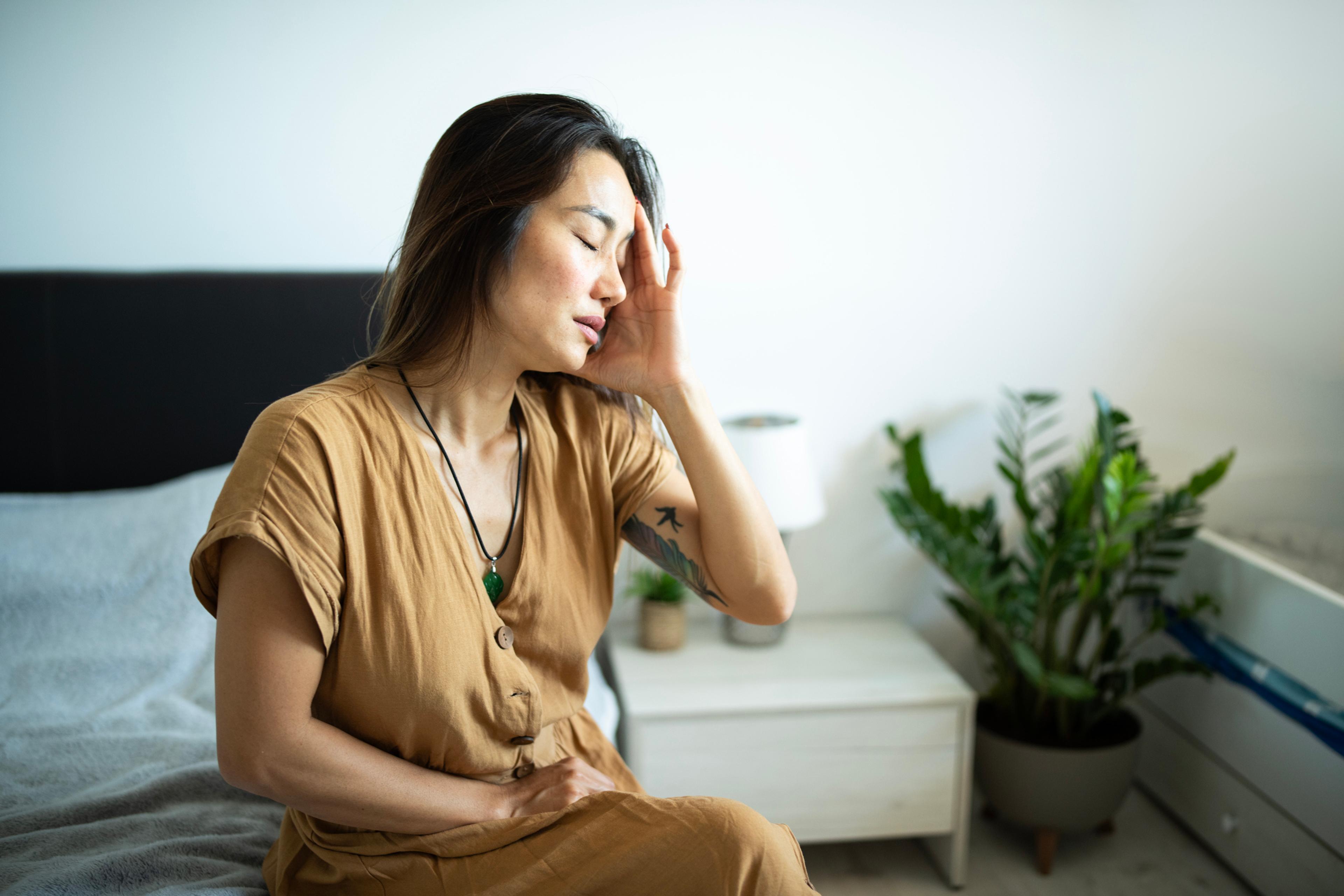
Migraines are a common neurological condition that cause throbbing head pain along with other symptoms such as nausea, vomiting, dizziness and extreme sensitivity to sound and light. These headaches can last a few hours to a few days, and the aftereffects of migraines can cause weakness and fatigue.
The most common kinds of migraines are:
Migraine without aura
Most migraines don’t have an aura, which is a visual, sensory or motor disturbance that occurs with the headache. A typical migraine has throbbing pain on one side of the head near the eye and temple, according to Harvard Health. Sound and light can make the pain worse.
Migraine with aura
About 20% of people have a migraine with an aura, which lasts up to an hour, according to the American Migraine Foundation. These migraines have the throbbing pain in addition to other symptoms; auras can cause you to see spots and zigzags, cause feelings of pins and needles and make it difficult to speak, per the National Institutes of Health (NIH).
Chronic migraine
You have a chronic migraine when you have 15 migraines per month for at least three months, according to the NIH.
Hormonal and menstrual migraine
Hormonal changes, particularly around menstruation, are common for women. About one in five women have migraines, and two of three of those women have migraines in two or three days before their period and in the three days after it starts, according to the American Migraine Foundation. This is related to changing levels of estrogen.
Pediatric migraine
About 10% of children and teens, especially girls, get migraines. Hormonal changes, physical exertion and family history are some causes of migraines in children and teens. Symptoms of migraines in kids are similar to adults, but young children and infants can also cry and rock back and forth.
Status migrainosus
This is a type of migraine that lasts longer than 72 hours and/or doesn’t respond to treatment, according to the American Migraine Foundation. Status migrainosus can require medical attention, and it’s most treatable by taking pain relievers as soon as symptoms start.
Vestibular migraine
Vestibular migraines cause vertigo, dizziness and balance problems. This type of migraine may or may not also have throbbing head pain. Motion sensitivity is common for those who have vestibular migraines.
How to treat a migraine
Treating migraine headaches include taking over-the-counter pain relivers or prescription medications, applying a cold compress and lying in a dark, quiet room. Seek medical attention if you have the worst headache of your life, a headache after a head injury or a headache with neurological symptoms including vision problems, seizures, balance issues or confusion.
Healthy lifestyle habits are also a key part of preventing and managing migraines:
- Get enough rest and seven to eight hours of sleep.
- Eat a nutritious diet with plenty of fruits and vegetables, lean meats and whole grains.
- Eat meals and snacks on a regular schedule.
- Avoid foods and drinks that trigger your migraines.
- Stay hydrated.
- Get regular exercise.
- Manage your stress with mindfulness, therapy or other techniques.
Photo credit: Getty Images
Read more: