Does Caffeine Raise Blood Pressure?

Lindsay Knake
| 3 min read
Lindsay Knake is a brand journalist and project plan...

Key Takeaways
- Caffeine can cause a short‑term rise of up to 10 mm Hg in blood pressure, but the spike is temporary and isn’t linked to long‑term hypertension.
- Infrequent caffeine users experience a larger increase; regular drinkers develop tolerance, so most adults can enjoy coffee or tea in moderation without raising chronic blood pressure.
- The FDA recommends limiting caffeine intake to 400 mg (about four cups of coffee) a day; people with hypertension, heart disease, pregnancy or side effects should check with their primary care provider.
Drinking a cup of coffee or an energy drink may give you a jolt or make you feel like your blood is pumping faster.
But does it? Here is a look at blood pressure and whether caffeine has an effect on it.
What is high blood pressure?
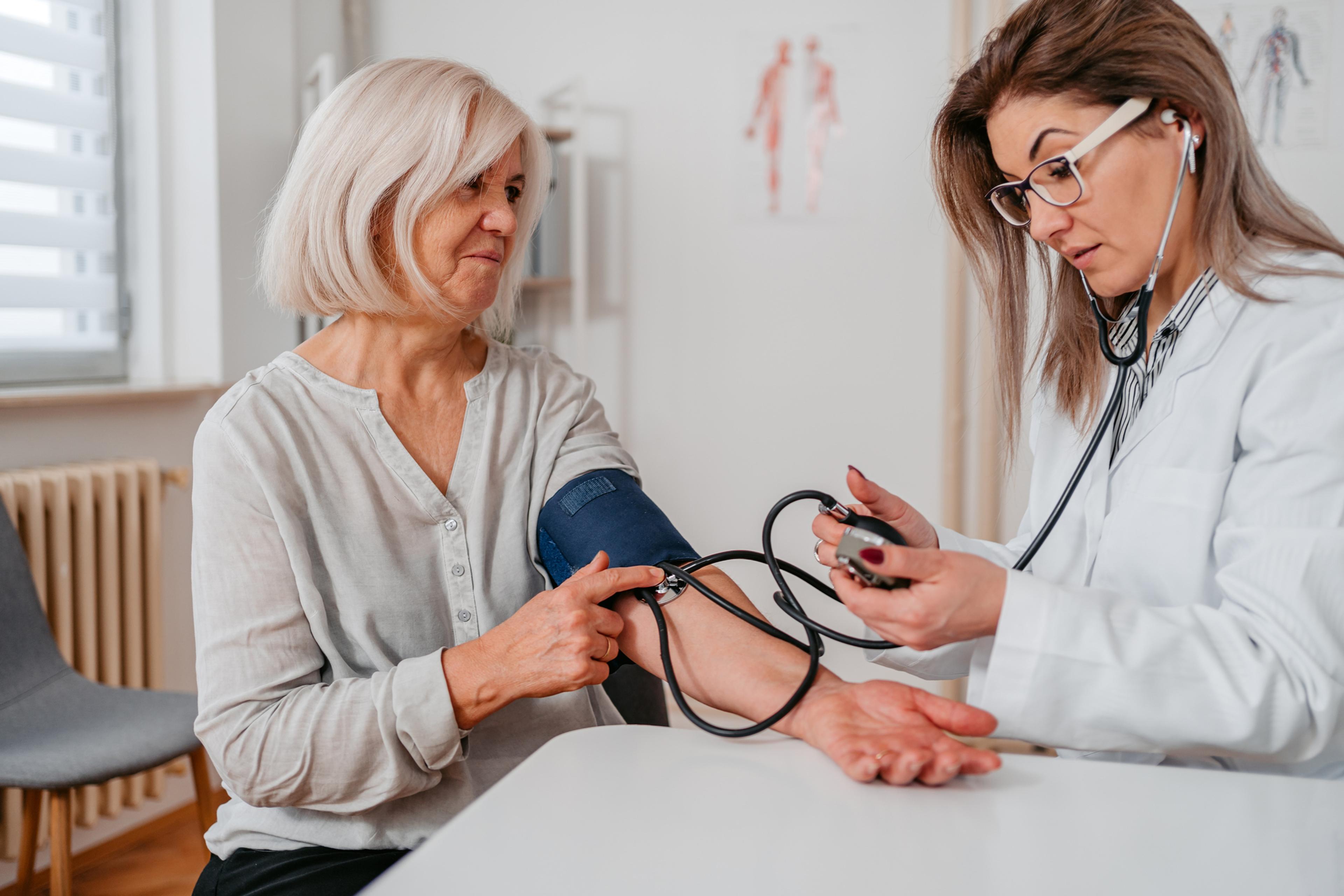
High blood pressure, or hypertension, is when the force of blood pressure pushing against the walls of the arteries is too high. With hypertension, your heart has to work harder to pump blood throughout your body and cause damage to your heart and arteries over time. A heart attack or stroke are serious complications of unmanaged high blood pressure, according to the Cleveland Clinic.
A “normal” blood pressure is less than 120/80 mmHg, elevated blood pressure is between 120/80 mmHg and 129/80 mmHg and high blood pressure is 130/80 mmHg and greater.
About half of all adults living in the United States have high blood pressure or are prescribed medication for it. It’s preventable or management through diet, exercise and medications.
Does caffeine raise blood pressure?
Caffeine is a common simulant in coffee, tea, energy drinks, chocolate and other foods. It can cause a short-term increase in your blood pressure by narrowing your blood vessels and making your heart work harder, according to the Cleveland Clinic. A cup of coffee, which contains about 95 milligrams of caffeine, could temporarily raise your blood pressure by up to 10 mmHg.
But how much caffeine affects your blood pressure depends on your sensitivity to it and how much caffeine you regularly consume. Typically, those who don’t drink caffeine often will have a larger response than those who drink caffeine regularly and develop a tolerance, according to the Mayo Clinic. Every individual has a different response to the common stimulant.
Caffeine does not generally have an effect on blood pressure beyond that brief spike for most people, and it’s not associated with an increased risk of developing high blood pressure, per the Mayo Clinic. Even if you have high blood pressure, enjoying coffee or tea in moderation is generally fine.
For most adults, the U.S. Food and Drug Administration recommends drinking no more than 400 milligrams of caffeine per day. This is about four cups of coffee.
Some side effects of drinking too much caffeine may feel like a heart problem, including:
- Increased heart rate
- Heart palpitations
- Heartburn
- Jitters
- Anxiety
You can pay attention to how you feel when you drink caffeine or the type of caffeine you have. Coffee, tea and energy drinks may all have a different effect on you. If you are interested in seeing how caffeine affects your blood pressure, you can check before drinking caffeine and then check it again 30 to 120 minutes after, according to the Mayo Clinic.
If you have hypertension or heart disease or are pregnant or breastfeeding, talk to your primary care provider about how much caffeine is healthy for you. You may also discuss an appropriate amount of caffeine if you have any side effects.
It’s important for everyone to get their annual physical, which includes a blood pressure check, as hypertension has no symptoms. Catching high blood pressure early can lead to better health outcomes and more affordable health care.
Image: Getty Images
Related: