Snoring Remedies: How to Stop Snoring Naturally

Jake Newby
| 4 min read
Jake Newby is a brand journalist for Blue Cross Blue...
Key Takeaways
- Several factors can contribute to snoring, including being overweight. Men either middle-aged or older and postmenopausal women are also more likely to snore than others.
- Nasal strips are non-invasive, relatively inexpensive and easy to use, so they may be worth a try for mild cases of snoring. However, they can be hit or miss.
- Persistent, loud snoring – especially when paired with gasping, choking or pauses in breathing – could indicate obstructive sleep apnea.
- Sleeping on your side, maintaining a healthy weight and practicing good sleep hygiene are a few natural ways to combat snoring.
Snoring is more than an irritating nighttime habit for anyone within earshot of you – it can disrupt sleep quality and sometimes serve as a precursor for more serious health issues.
Between 25% and 50% of adults snore regularly, according to a JAMA Network study. Roughly 90 million Americans report snoring at one time or another, while 37 million of those adults report snoring regularly. So, while it’s common, you don't have to become resigned to it. There are practical, natural ways to reduce or even stop snoring altogether.
What causes snoring?
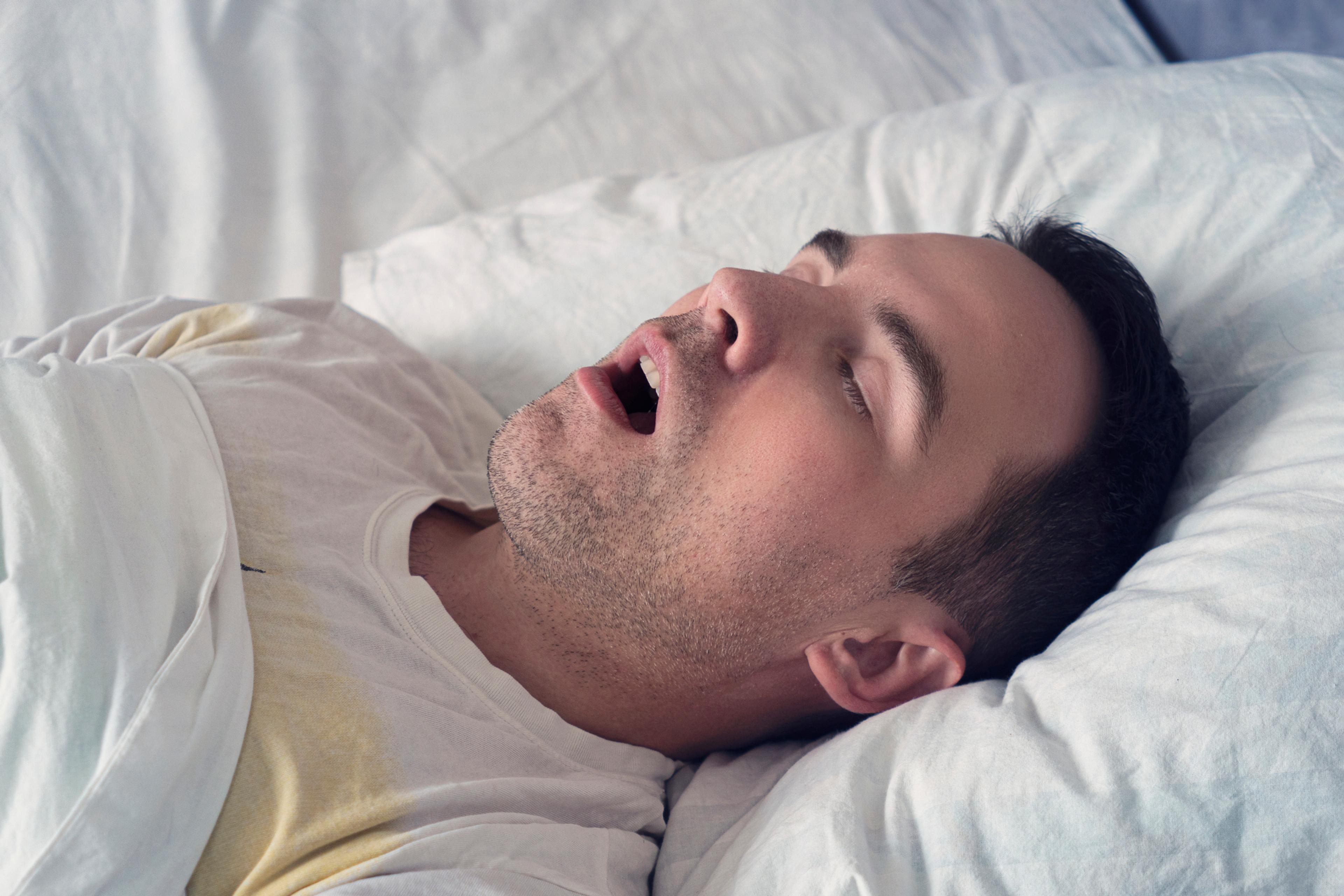
Snoring is harsh, noisy, rattling breathing that happens when airflow is partially blocked as you breathe during sleep. This blockage causes the soft tissues in your throat – like the tongue, soft palate and airway walls – to vibrate, producing that familiar rumbling sound.
Several factors can contribute to snoring. The American Medical Association states that people who are overweight, men either middle-aged or older and postmenopausal women are more likely to snore than others.
Sleeping on your back also causes snoring. Sleeping in this position allows your tongue to fall backward, narrowing the airway.
Additionally, alcohol consumption and some medications before bed can contribute to snoring by relaxing throat muscles, which makes snoring more likely. Even nasal congestion from allergies or a cold can play a role.
Do nasal strips for snoring work?
Nasal strips are flexible bands that are placed across the bridge of the nose. They work by gently pulling open the nasal passages, improving airflow through the nose. This may be helpful if your snoring is caused by nasal congestion. In theory, nasal strips decrease snoring by widening the nostrils and reducing resistance when inhaling, but there is limited research to support how effective they are at mitigating snoring.
Since nasal strips are non-invasive, relatively inexpensive and easy to use, they may be worth a try for mild cases of snoring, as long as you know they tend to be hit or miss.
Natural ways to stop snoring
As is true with most mild conditions capable of being treated or prevented at home, there are natural ways to slow down snoring without medication or medical devices; lifestyle changes are often the best place to start.
If you are a back sleeper, start by adjusting your sleeping position. Sleeping on your side instead of your back can significantly reduce snoring by keeping your airway open. A body pillow can help you stay in position throughout the night.
Maintaining a healthy weight can also make a big difference. Even modest weight loss may reduce fatty tissue in the throat and improve airflow.
Practicing good sleep hygiene and establishing a consistent sleep routine helps, too. Poor sleep can lead to deeper, more relaxed throat muscles, which increases the chances of snoring. Aim for seven to eight hours of quality sleep each night. Many sleep experts recommend keeping your bedroom dark, quiet and at a temperature of 60- to 67-degrees Fahrenheit. Focus on going to bed and waking up at the same time each night, including on weekends, to promote a consistent sleep schedule.
Hydration can also impact snoring. When you’re dehydrated, secretions in your nose and soft palate become stickier, which can worsen snoring, according to some medical sources. Drinking enough water throughout the day can help keep things flowing smoothly.
Finally, limit alcohol, especially in the evening and several hours before you lie down to go to sleep.
When to seek help and get treatment for snoring
If natural remedies aren’t doing the trick, it may be time to look deeper. While snoring isn’t always indicative of obstructive sleep apnea (OSA), it can be a common sign. Persistent, loud snoring – especially when paired with gasping, choking or pauses in breathing – could indicate OSA, a condition that also causes interrupted breathing, gasping, low oxygen levels and subsequent daytime sleepiness. If untreated, it can lead to high blood pressure, arrhythmias, and elevate your chances of having a stroke.
It’s important to have a conversation with your primary care provider, who may recommend a sleep study to try and rule out OSA. From there, treatment options may range from specialized mouth guards – also known as oral appliance therapy (fitted by a dentist or a sleep specialist) – or positive airway pressure therapy courtesy of a sleep apnea machine. Otherwise, addressing these underlying issues like chronic nasal congestion, enlarged tonsils or structural problems in the airway can make a big difference.
More from MI Blue Daily:
Photo credit: Getty Images