People Who Don’t Have Diabetes Are Using Glucose Monitors. What’s Behind This Wellness Trend?

Jake Newby
| 5 min read
Jake Newby is a brand journalist for Blue Cross Blue...
Key Takeaways
- Continuous glucose monitors are gaining popularity among wellness enthusiasts, despite limited evidence they improve health outcomes for people without diabetes.
- Social media content showcasing glucose responses to food, exercise and sleep is fueling consumer interest in continuous glucose monitoring.
- Experts caution that healthy users may misinterpret normal blood sugar fluctuations, leading to unnecessary anxiety or overly restrictive eating habits.
- Growing nonmedical demand for CGMs raises concerns about healthcare resource allocation and equitable access for people who rely on them.
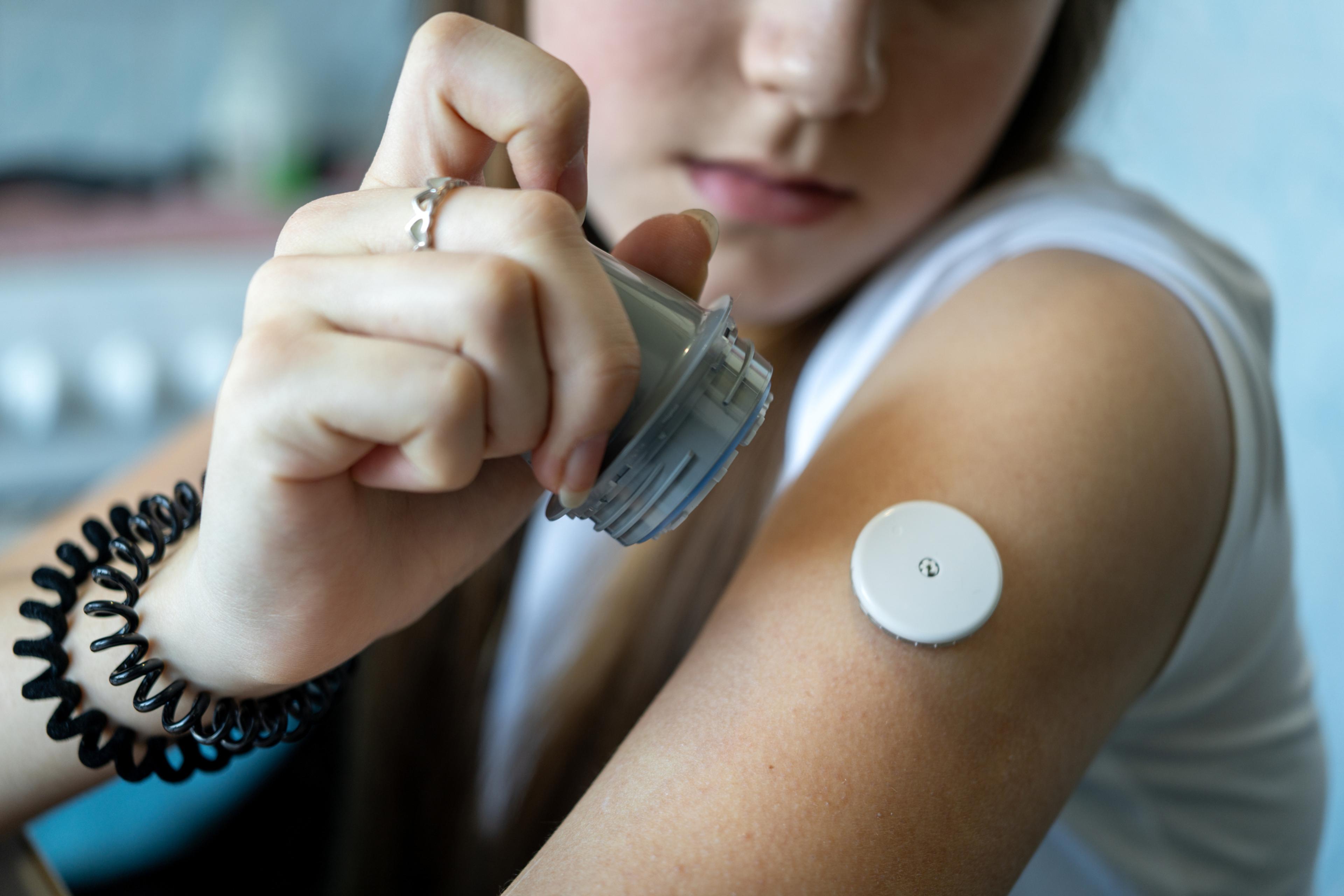
A device recently considered exclusive to people managing diabetes is casting a wider net as a product these days, as health-conscious consumers who do not have diabetes are buying continuous glucose monitors (CGMs) more than ever before.
While health experts have noted a surge in CGM usage among people with diabetes, they are not the only ones plucking them off the shelves or placing them in their virtual carts online.
Since the United States Food and Drug Administration (FDA ) approved GCMs for over-the-counter use in 2025, these wearable sensors have increasingly been embraced by fitness enthusiasts and social media influencers who believe they can unlock insights about nutrition, exercise and overall health.
What's driving this trend? And can this level of tracking lead to better health in people who do not need insulin or is it a waste of time and crucial resources? Since American Diabetes Association (ADA) research shows under-resourced communities consistently lack access to lifesaving CGMs, can this be considered a growing ethical issue? Let’s explore these angles.
Why are continuous glucose monitors becoming popular wellness devices?
For people with diabetes, CGMs can help them avoid or delay of serious health conditions, hospitalizations, and even death. CGM sensors track glucose levels throughout the day, reducing the need for frequent finger-prick tests and helping users make informed decisions about their diet and activity level, as well as which medications they may or may not need.
But as wearable technology has become more mainstream, CGMs have joined a growing list of consumer wellness products marketed around self-optimization and preventive health. According to a 2026 Global Wellness Institute report, the U.S. wellness economy is now valued at $2.1 trillion, reflecting growing consumer interest in personalized, prevention-focused health tools and services.
CGMs fit neatly into that movement. They offer real-time data, smartphone connectivity and a sense of control over health metrics. Much of the appeal lies in how meals, exercise, stress and sleep affect blood sugar levels from moment to moment.
How social media platforms like TikTok are fueling the trend
On TikTok, creators ranging from physicians and dietitians to fitness influencers regularly share their glucose-monitoring experiences. Many openly discuss wearing CGMs despite not having diabetes, posting charts of their blood sugar responses to foods, workouts and daily routines while offering tips for reducing glucose spikes.
“In healthy adults, there is actually no evidence that wearing a continuous glucose monitor improves health outcomes,” one physician said on his TikTok account. “The reason I’m doing is because I like to see what’s going on in my body in more granular detail. And, if we have things going on—like if I’m not exercising enough—we don’t really notice some of the metabolic changes that begin happening. Sometimes, for years.”
This content has helped spark curiosity among audiences interested in nutrition, weight management and metabolic health. As with many wellness trends, seeing real-time data come across your screen as you scroll can influence people to want to participate.
It can be argued this trend has contributed to a feedback loop of visibility in which more people see creators experimenting with CGMs, become interested in monitoring their own glucose patterns and share their findings on their own TikTok account or other social media platforms.
Are glucose monitors useful for people who don’t have diabetes? Here's what the science says
Experts interviewed by The BMJ note that CGMs are valuable tools for people with diabetes, but evidence of meaningful health benefits for people without diabetes remains limited.
Researchers point out that blood sugar naturally fluctuates throughout the day. Factors such as meals, physical activity, stress, hormone changes and sleep quality can all influence glucose levels. Occasional spikes are often a normal part of human physiology.
One concern is that people may overinterpret the data. A healthy individual could become unnecessarily worried about normal variations in glucose readings or make dietary decisions based solely on glucose data without considering other aspects of nutrition. According to experts interviewed by the John Hopkins Bloomberg School of Public Health, avoiding a glucose spike does not automatically make certain food choices healthier overall.
Similarly, a 2026 News Medical Life Sciences review in partnership with a JAMA study highlighted that there is currently no evidence that CGMs improve health outcomes or prevent disease in people without diabetes. Researchers warned that normal glucose fluctuations can be overinterpreted, potentially leading to anxiety, unnecessary dietary restrictions or excessive focus on health metrics.
Is the purchase and use of CGMs by people without diabetes considered unethical?
Researchers behind a 2020 study titled “Continued Glucose Monitoring as a Matter of Justice” argue that people using the devices out of curiosity may have easier access than some patients who clinically need them. Research and policy discussions around CGM access frequently frame equitable distribution as a justice issue.
The News Medical Life Sciences review also raised concerns that widespread CGM use among healthy individuals could generate demand for doctor or hospital visits as people seek clinical interpretation of data that may not have medical significance.
According to researchers quoted in the review, healthcare systems may end up spending time helping healthy people interpret CGM readings despite limited evidence that doing so improves outcomes. They argue that healthcare resources should be prioritized where benefits are established.
It’s worth nothing that most experts are not arguing that healthy people should be forbidden from using CGMs. The debates around their newfound usage are generally rooted in whether consumers are receiving evidence-based information, whether the wellness industry is overstating benefits and whether expanding non-medical use draws attention away from ongoing access inequities among diabetes patients.
Eating a balanced diet, staying physically active, getting consistent sleep and receiving regular preventive care are lifestyle habits to prioritize over the use of a CGM in people without diabetes or prediabetes.
Photo credit: Getty Images
More from MI Blue Daily: