Michigan Big Show: Why Helping Uninsured People Makes Health Care More Affordable for Everyone

Blue Daily
| 4 min read
Key Takeaways
- One of the ways Blue Cross supports affordability is by helping people who are uninsured or underinsured gain access to care outside of hospital emergency rooms.
- Getting people access to basic, preventive care keeps them healthier and keeps costs from rising across the entire health care system.
- When hospitals provide care to uninsured people, the costs often go unpaid – but they don’t go away. They are absorbed by hospitals and increase the pressure on hospital prices charged to those who can pay.
- Blue Cross' investment in safety net clinics and prevention support through initiatives like Building Healthy Communities demonstrate how we work to keep health care costs from rising for everyone.
How does helping people without health insurance access health care also keep premiums affordable for people with health insurance? While that connection is not always obvious, the facts may surprise you.
For generations, Blue Cross Blue Shield of Michigan has been a long-standing partner in Michigan communities, working to expand access to care, strengthen local health systems and help keep health care affordable for everyone who depends on it.
One of the ways Blue Cross supports affordability is by helping people who are uninsured or underinsured gain access to care outside of hospital emergency rooms. The impacts are clear: Getting people access to basic, preventive care keeps them healthier and keeps costs from rising across the entire health care system. This makes supporting care for the uninsured and investing in prevention central to promoting affordability.
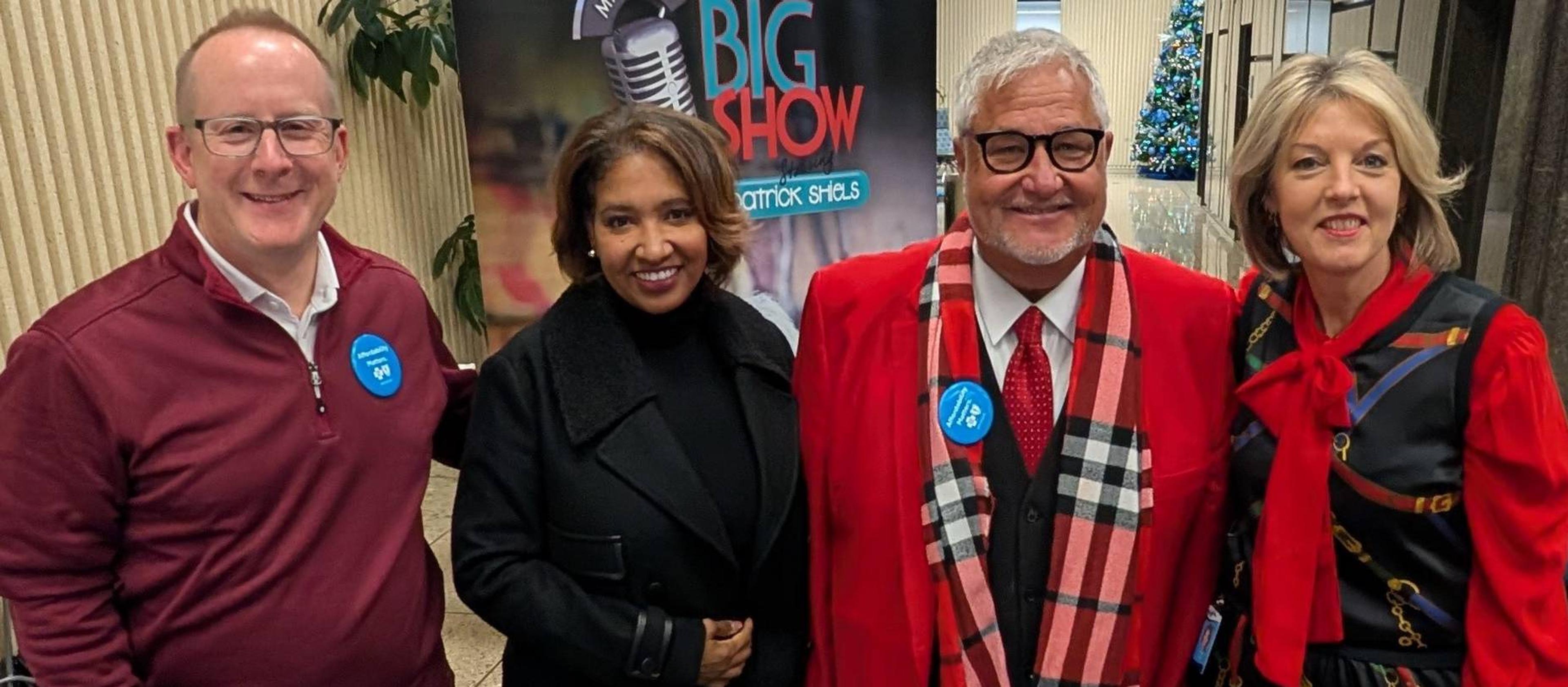
“When we think about the things that we’ve done around our social mission, including support for safety net clinics and community partners, it’s because this work aligns with our mission and strengthens the health care system as a whole,” said Tricia Keith, president and CEO of Blue Cross Blue Shield of Michigan on a recent episode of Michael Patrick Shiels’ Michigan Big Show.
Investing in health for all of Michigan
People without insurance do not disappear from the health care system. When they get sick or injured, they still need care. Often, the emergency room becomes the avenue of care.
Emergency care is the most expensive care in the health care system. When hospitals provide care to uninsured people, the costs often go unpaid – but they don’t go away. They are absorbed by hospitals and increase the pressure on hospital prices charged to those who can pay – including people and employers who pay for health insurance. Hospital payments constitute 47 cents of every health insurance premium dollar – so the cost of caring for people without health insurance get spread across the system, and contribute to higher health care costs and higher insurance premiums for individuals and employers.
“In Michigan, when people show up in emergency rooms, hospitals have to cover them,” Keith said. “It’s important to keep people out of the emergency room when they don’t need to be there, because that is by far the most expensive care people can get.”
Strengthening the safety net to lower costs
For more than 20 years, Blue Cross has invested in Michigan’s safety net of free clinics and Federally Qualified Health Centers (FQHCs). These clinics provide primary and preventive care to uninsured and underinsured residents, helping manage chronic conditions and prevent medical issues from becoming emergencies.
Blue Cross is the largest private funder of Michigan’s safety net clinic network. Since 2005, we have invested more than $17 million through the Strengthening the Safety Net grant program. Those grants support nearly 50 clinics each year and help more than 250,000 residents access care.
When people can get care early, before their condition worsens, it reduces uncompensated hospital care, eases strain on emergency departments and helps control health care costs throughout the system. That benefits hospitals, employers and health plan members.
Prevention today helps control costs
Affordability is not only about addressing today’s costs. It also requires preventing future ones.
Blue Cross supports prevention through initiatives such as Building Healthy Communities, which has partnered with schools across Michigan since 2009 to help children develop healthy habits early in life.
Chronic diseases account for more than 75 cents of every dollar spent on health care in Michigan, according to the Michigan Department of Health and Human Services. Many of these conditions are linked to nutrition, physical activity and lifestyle choices.
“We want to make sure children understand the importance of good nutrition and healthy lifestyles,” said Tiffany Albert, senior vice president of Community Relations at Blue Cross remarked during the show. “That includes making fresh foods more accessible and helping schools create healthier environments.”
Healthier children are less likely to develop chronic conditions as adults. Over time, that leads to lower health care costs and a healthier population.
Why this matter to Blue Cross members
When fewer people rely on emergency rooms for basic care, hospitals provide less uncompensated care. When chronic disease rates are lower, long-term health care costs are impacted. Those improvements help stabilize the system and protect affordability for everyone who pays for health insurance.
Learn more about how Blue Cross Blue Shield of Michigan is working to address rising health care costs and improve affordability across the state at mibluedaily.com/affordability.
Photo credit: BCBSM