How Preventive Care Can Make Health Care More Affordable
Blue Daily
| 4 min read
Key Takeaways
- Preventive care is one of the best ways to take care of your long-term physical, mental and financial health.
- Preventive care services, such as annual physicals and screenings for blood pressure, cholesterol and diabetes, can help catch health issues early and reduce your risk of chronic conditions.
- Blue Cross Blue Shield of Michigan offers many preventive care services at no cost to you, including annual physicals, blood pressure screenings, colorectal cancer screenings and immunizations.
When you are fully healthy, you use our expensive care system far less and you live a better quality of life.
Preventive care is one of the best ways to take care of your long-term physical, mental and financial health.
Blue Cross Blue Shield of Michigan offers many preventive care services at no cost to you. By taking advantage of these exams and screenings, you can catch health issues early, reduce your risk of chronic conditions and reduce your spending on health care.
Your health and your family’s health are important to us, and we want you to get the health care you need.
Blue Cross offers preventive care at no extra cost to you
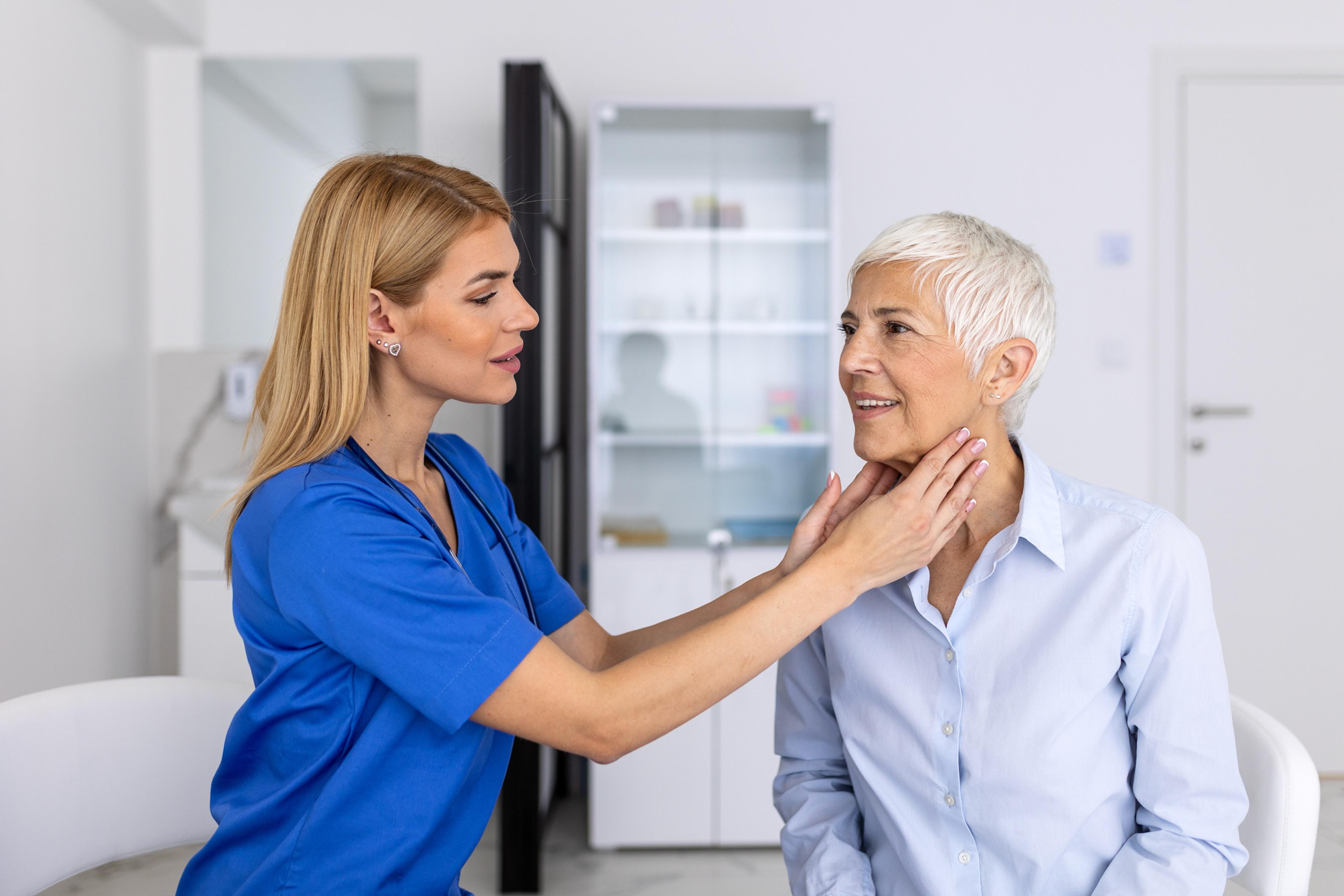
Getting your annual physical with your primary care provider (PCP) is the best place to start for preventive care. If you begin at a young age, you can create a baseline for your health and build a relationship with your PCP. If you are older, a regular visit to your PCP gives you a better grounding in your health and advice to manage what you are feeling. Your PCP not only offers screenings and care, but they can discuss eating a nutritious diet and exercising regularly. They will also talk to you about how you are feeling emotionally, which is important to help identify any mental health concerns that may be impacting your physical health.
These services from an in-network provider do not require a copayment or coinsurance regardless of whether you’ve met your yearly deductible:
- Annual physical
- Blood pressure screening
- Colorectal cancer screening for adults 45 to 75
- Diabetes (Type 2) screening for adults 40 to 70 years who are overweight or obese
- Cholesterol screening for adults of certain ages or at higher risk
- Lung cancer screening for adults 50 to 80 at high risk for lung cancer because they are heavy smokers or have quit in the past 15 years
- Breast cancer screening mammogram every one to two years for women 40 and older
- Cervical cancer screening: Pap test (also called a Pap smear) for women aged 21 to 65
- Certain immunizations
- Depression screening
Preventive care can help reduce the risk of chronic conditions such as high cholesterol, high blood pressure, heart disease and Type 2 diabetes affect millions of Americans. The rate of chronic condition in the United States has increased significantly in recent years, including among younger Americans. This leads to more hospitalizations, specialist visits and long-term pharmaceutical and medical treatments.
Heart disease is the No. 1 cause of death in the United States, and health conditions that lead to heart disease, such as high blood pressure and high cholesterol, are treatable with lifestyle habits and medication.
Screenings can also help your PCP identify these conditions and others such as cancer early and provide treatment before it gets to an advanced stage.
Improved access supports better health outcomes and long-term affordability
Chronic diseases are long-term health conditions that don’t have a cure but are treatable. This means they take time, energy and money to manage.
About 90% of Americans will have at least one chronic condition by age 65, according to the Centers for Disease Control and Prevention (CDC). Americans spend $5.3 trillion annually on health care, and chronic conditions are the top expense. In Michigan, 75 cents of every health care dollar is spent on chronic diseases.
The cost of your health insurance premium is impacted by the total cost of the health care system and all the people who use it. High use of an expensive health care system, including care at hospitals and prescription drugs, drives up premiums. This means the healthier the population is, the less we all spend on health care; access to primary care is a foundation of a healthy population.
Using preventive care services is important for those who have health insurance. For people who are uninsured and underinsured, free and charitable clinics and Federally Qualified Health Centers can provide basic primary care services, including chronic conditions management. We financially support these clinics; awarding more than $17 million in grants to free and charitable clinics in Michigan since 2005.
Blue Cross Blue Shield of Michigan (BCBSM) and Blue Care Network members can find a doctor near them by using the Find a Doctor tool, available on both bcbsm.com and the BCBSM mobile app.
Learn more about how Blue Cross is making health care more affordable here.
Image: Getty Images
Related: